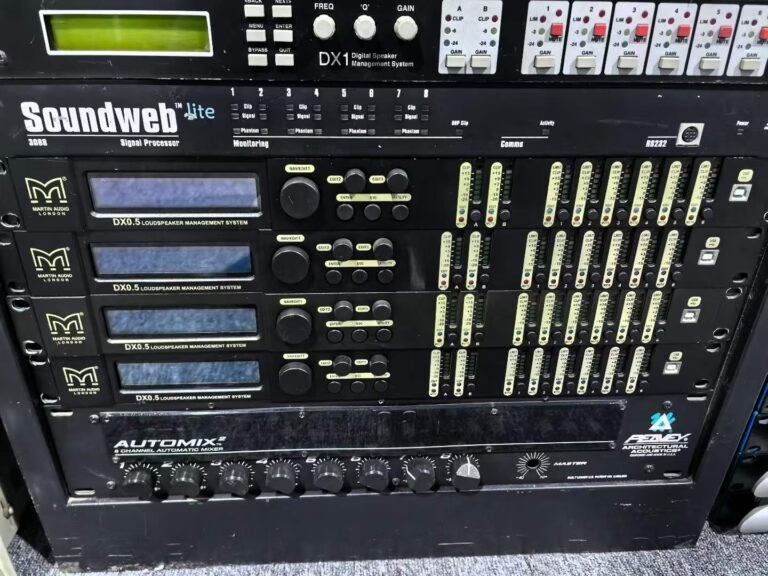
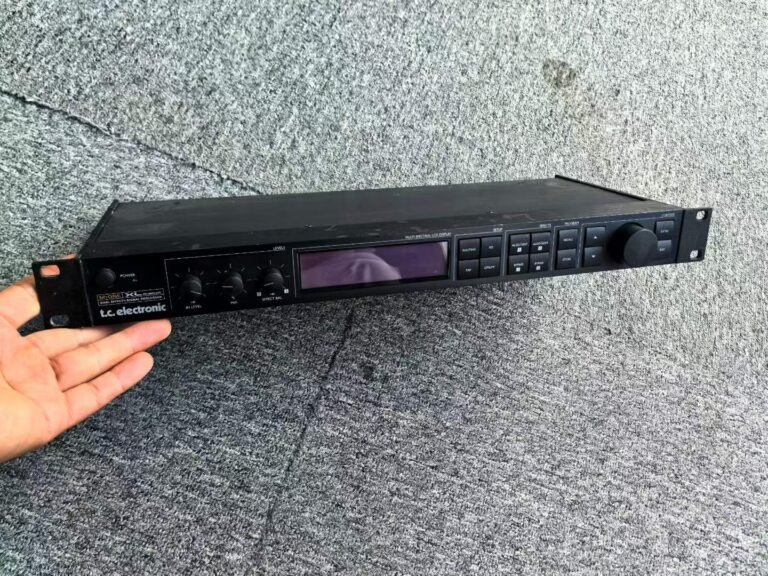
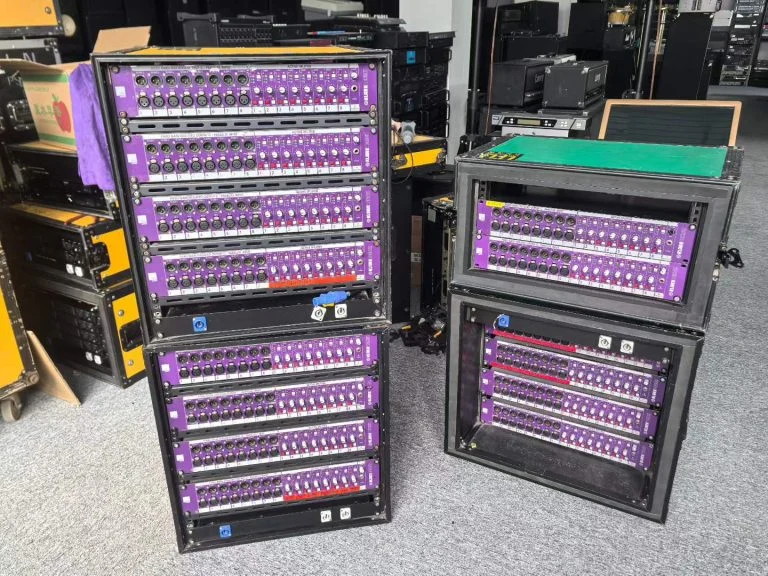
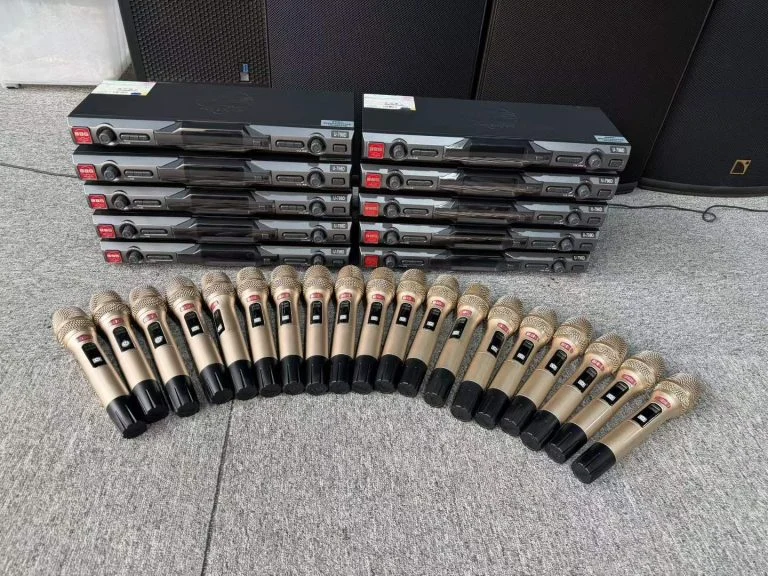
Expect 10–15 years from drivers and 6–10 years from the amp module in a used PA speaker. Touring boxes on weekly duty usually need a recone around year seven and a module replacement by year nine. Install boxes at low power can run 20 years.
Those numbers come from my own repair logs rather than a spec sheet. I have tracked 40-odd used cabinets through resale and repair since 2023, and the pattern is consistent enough that I quote it to buyers.
What fails first in a used speaker?
Foam. Specifically the surround that joins the cone to the frame. Foam surrounds have a service life of 8–12 years whether or not the speaker is used, because ozone and UV break down the material. A speaker that sat in a warehouse for a decade can need a recone just as badly as one that toured.
After foam, it is the electrolytic capacitors inside the amp module. These dry out at roughly 5% capacitance loss per year at 40 °C ambient. In a hot rack, that doubles.
- Foam surround: 8–12 years, calendar-limited.
- Capacitors: 6–10 years, heat-dependent.
- Horn diaphragm: 10–15 years unless overdriven.
- Cone and spider: 15–20 years, usually outlives the rest.
Does duty cycle matter more than age?
Yes, for everything except foam. A weekly-touring box running at 85–95 dB average for 200 nights a year accumulates real wear. Voice coils heat, adhesives soften, spiders fatigue. An install box running at 75 dB on Sunday mornings barely moves.
Thermal cycling is the quiet killer. Every gig heats the voice coil to 120 °C and lets it cool overnight. That expansion and contraction eventually cracks the coil former. Boxes run continuously at moderate levels last longer than boxes pushed hard intermittently.
How can you tell how much life is left?
Three checks, fifteen minutes, no tools beyond a phone:
- Push test: gently press the cone inward with two fingers. It should move smoothly and return. Gritty or scraping means a misaligned coil.
- Sweep test: play a 40 Hz to 15 kHz sweep at low level. Listen for buzz at specific frequencies. Buzz at one point means a loose dust cap or a damaged diaphragm.
- Capacitor look: open the module and look for bulging tops or brown leakage. Any bulge is a future failure.
One extra: check the serial number and cabinet screws. A box that has been opened repeatedly has chewed screw heads. That is not fatal, but it tells you someone has been inside.
Is it worth buying a speaker near end of life?
Only with a price that reflects the repair. A $600 used box that needs a $140 recone in year two is still a $740 box. A $300 box that needs a $350 module is a $650 box with extra risk.
The exception is models where parts are cheap and common. A 15-inch woofer for a JBL or an 18-inch chassis for a generic sub is $90–$200 and available. A proprietary class-D module for a 2013 model is often $300+ and unobtainable. Buy the model, not the price.
History matters too. A box with one owner, kept in a flight case, with the original manual, has probably had an easy life. A box with three owners and a repainted grille has been dragged through venues. Ask which it is.
What extends a used speaker’s life?
| Habit | Effect |
|---|---|
| Store indoors, 15–25 °C | Adds 3–5 years to foam life |
| Flight case, every trip | Prevents grille and driver damage |
| Limiter at RMS rating | Saves diaphragms |
| Clean power, stable voltage | Doubles capacitor life |
| Dust the amp module yearly | Keeps temps 8–12 °C lower |
Cheap and boring beats clever here. Dust is the single most preventable failure cause in active speakers, and a $3 paintbrush once a year is the whole intervention.
Key Takeaways
- Drivers: 10–15 years. Amp modules: 6–10 years.
- Foam surrounds fail on a calendar, not on use — 8–12 years regardless.
- Push test plus a frequency sweep finds most problems in 15 minutes.
- Bulging capacitors predict failure; check them before you buy.
- Buy models with available spare parts, not the cheapest box.
Our K-array KF12 units are graded and tested before export, and the used speakers category shows current stock with condition notes.