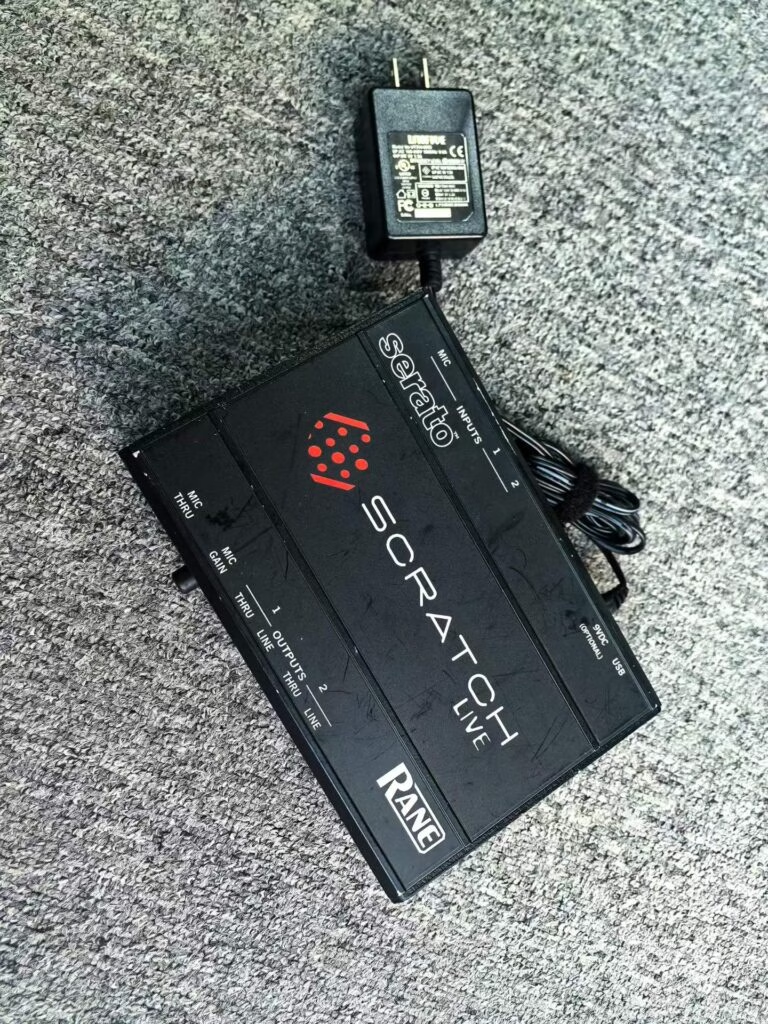
Check the crossfader before anything else. It is the most-used part on any DJ controller and the first to fail. If the fader cuts out or scratches, you are looking at $25-60 in parts on a club-standard unit, or an unrepairable brick on a discontinued one.
Most used DJ gear is sold by people who stopped gigging, not by people who wore it out. That is good news. The failures you do find are usually wear items, not electronics — which means they are predictable and cheap to negotiate.
What are the first things to check on used DJ equipment?
- Crossfader and line faders. Sweep slowly with audio playing. Any drop-out, crackle, or dead zone at the ends.
- Jog wheels. Spin each one and release. They should coast and stop together. One that stops 200 ms later is a bent shaft or a dead encoder.
- Pitch faders. Run the full ±8% and ±50% range. A jump at the centre detent means the fader is dirty.
- Outputs. Test RCA, XLR and headphone outputs separately. One dead output is a $15 jack, two is a board.
- USB port. Plug in a stick and load a track. Loose USB ports are a 30-second repair and a common excuse for a low price.
- Firmware and software licence. Some controllers need a paid licence to work. Confirm the unit is not locked to the seller’s account.
Why do jog wheels matter more than they look?
Jog wheels are mechanical and they take 20-40 years of wear in five. On older CDJ-style players the platter sits on a bearing, and a single drop puts that bearing out of true. The symptom is drift: tracks load fine, then nudge 0.02% off beat grids over four minutes. You cannot hear it in a shop and you will hate it at 1 a.m.
Test it properly. Load the same track on both decks, start them together, and let them run three minutes. If they drift apart, stop negotiating on cosmetics.
Is a used controller better than a used pair of decks?
| Controller | Two decks + mixer | |
|---|---|---|
| Used price | $200-900 | $800-3,000 |
| Repairability | Low (integrated board) | High (modular) |
| One fault kills the set? | Usually yes | Usually no |
| Weight | 4-8 kg | 15-25 kg |
For a bar residency, the controller wins on logistics. For anything where you cannot stop, the modular setup wins because a dead deck can be swapped mid-night. That is the actual decision, not the spec sheet.
What does a fair used DJ equipment price look like?
Two-channel entry controllers: $150-350. Mid-tier four-channel: $400-900. Club-standard all-in-one units: $900-2,200 depending on generation. Anything four or more years past discontinuation loses about 12-18% a year, and the curve steepens once parts dry up.
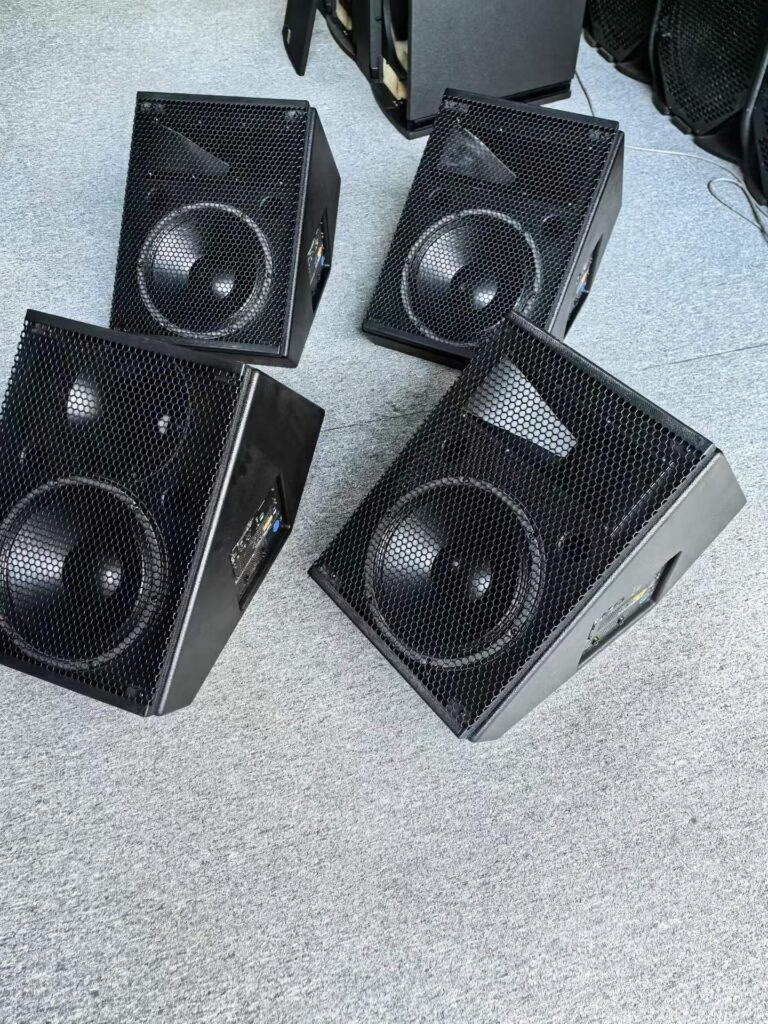
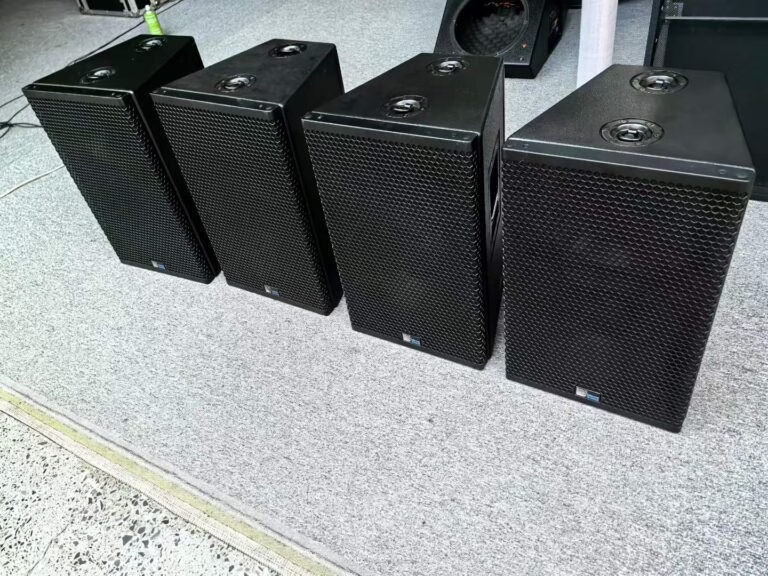
If you are running a small room and mostly spinning, a used mixer plus a pair of active speakers is smarter than a big controller. Our DJ gear category and the JBL KP4010 passive pair cover the loud end of that setup for less than a single mid-tier controller.
Does the mixer still work with current software?
This matters more than it did five years ago. Some 2012-2016 controllers only run on the software version they shipped with, because the vendor stopped writing drivers for anything newer. Before you pay, ask which macOS or Windows version the seller last ran it on, and check that against the software’s own support page. A $500 controller that only runs on a ten-year-old laptop is a $200 controller.
Standalone units avoid this entirely, which is one reason older club-standard gear holds value so stubbornly. If it plays from a USB stick, no driver can be discontinued out from under you.
What should you never buy used?
Anything that has lived in a van for three summers, and anything sold without its power supply. OEM supplies for discontinued units run $60-120 and third-party ones introduce ground noise you will chase for months. That rule alone has saved me more money than any spec comparison.
Also skip units advertised as “for parts or repair” unless you specifically want the chassis. Half of them are missing faders, and those faders are exactly why the seller stopped.
Key Takeaways
- Crossfader first — most common failure and often cheap to fix.
- Run both decks for three minutes to catch jog drift.
- Test every output separately, not just the main one.
- No original power supply, no deal.