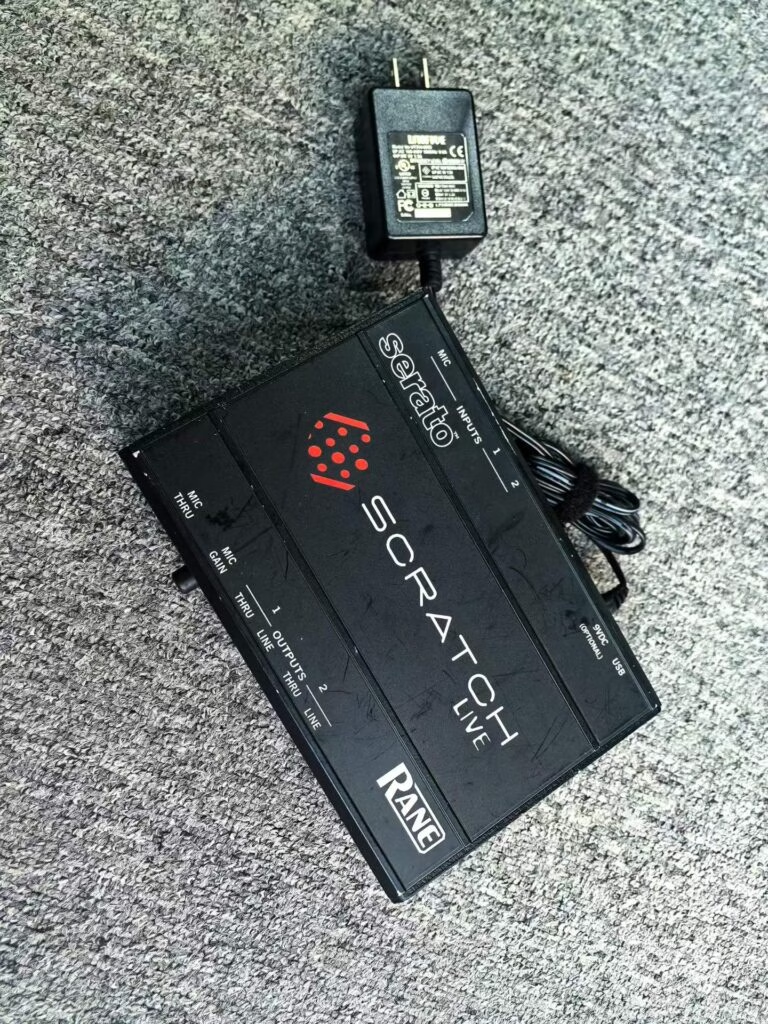
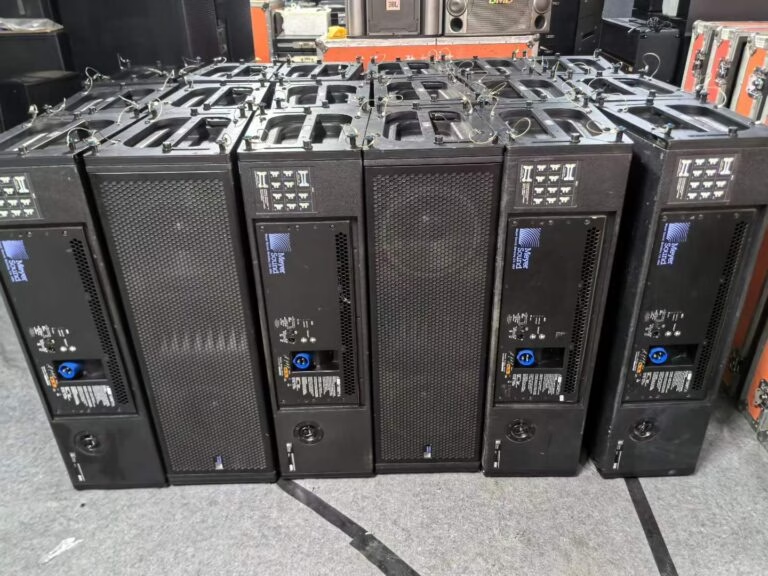
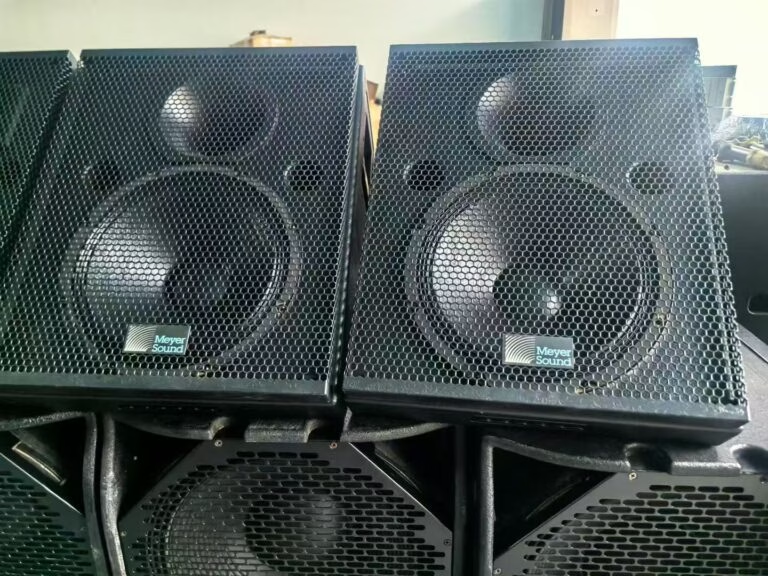
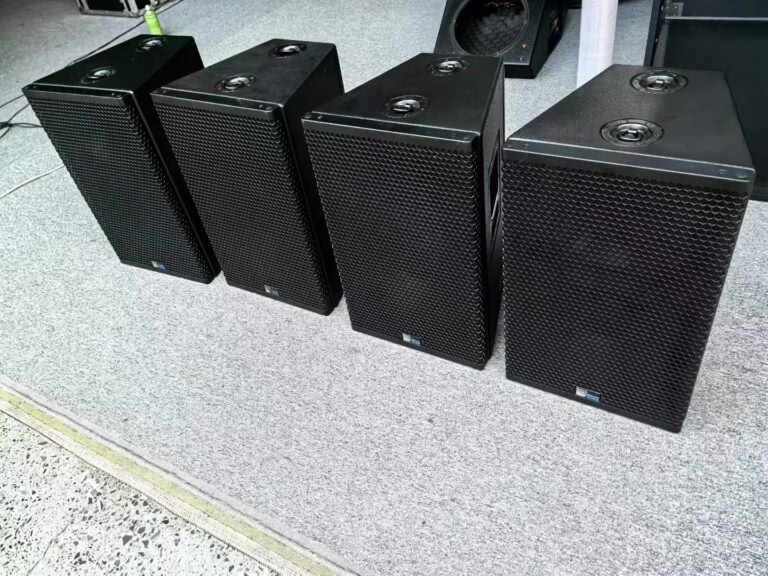
Expect to pay 35-60% of new price for used professional audio gear in working condition. That means $180-420 for a 12-inch powered speaker, $900-2,800 for a 32-channel digital console, and $60-150 for a decent dynamic vocal mic. Under 25% of new is not a bargain. It is a warning sign that something is broken or missing.
Why do used audio prices vary so much?
Three things move the number: age, cosmetic grade, and whether the item has a service history. A 2019 line array module and a 2007 one can carry the same badge and differ by $1,500.
Cosmetics matter less than most buyers assume. Scuffed corners knock maybe 10% off a cabinet. A dead amp module or a broken motorized fader knocks off 40% or more, and the buyer absorbs the repair. Grade the function first, then argue about paint.
Geography matters too. Gear sold out of a warehouse in Guangdong prices lower than the same model listed in Germany, because the seller has volume and no retail floor to pay for.
What are realistic 2026 price bands?
These are export-market figures, FOB China, based on what clears in bulk deals rather than asking prices on retail sites:
| Gear | New price | Used band (2026) |
|---|---|---|
| 12″ powered PA speaker | $650-900 | $180-420 |
| 18″ subwoofer | $800-1,200 | $250-550 |
| 32-ch digital console | $2,400-4,500 | $900-2,800 |
| Class D amp, 4x1000W | $1,400 | $480-800 |
| Dynamic vocal mic | $180-400 | $60-150 |
| DJ controller, 4-channel | $1,100-1,600 | $420-800 |
A console like the Yamaha DM1000 sits at the low end of the mixer band because it is 2000s-vintage. It still delivers 48 channels and full scene recall, which is why clean units keep trading at $1,100-1,600 rather than collapsing to scrap value.
Worth noting: the band widens as gear ages. Two-year-old items cluster tightly near 55-60%. Fifteen-year-old items spread from 20% to 45% depending on condition.
Which red flags should cut the price to zero?
Some faults cannot be priced in, and a discount does not fix them. Walk away from a speaker with a torn cone you cannot inspect through the grille, a mixer with a cracked display ribbon, or anything sold without a power-on video.
- Crackly pots that change noise when you tap the panel: dirty contacts at best, a dead board at worst.
- A burnt smell near the power supply: expensive, and often terminal on older switch-mode designs.
- Missing proprietary connectors: a $40 cable can turn into a $300 special order with a six-week lead time.
- Serial number scratched off: no parts support, no service history, no resale value.
What does shipping add to the real cost?
A 12-inch speaker box weighs about 22 kg packed. Sea freight from Guangdong to Lagos runs $6-12 per kg in a shared container, so one box adds $130-260. That is why filler items matter: ten speakers in one crate drops the per-unit freight to roughly $45-70.
Budget the freight before you commit to anything. A $250 speaker plus $200 single-box freight is worse value than a $330 speaker shipped inside a pallet with nine others. The landed cost, not the sticker, is the number that decides whether a deal works.
Air freight runs $5-8 per kg and makes sense only for small high-value items: wireless mic systems, DI boxes, small controllers. A subwoofer by air is never worth it.
What is a fair price for a bulk lot?
Bulk changes the math. Ten matching cabinets from one owner typically price 15-25% below the single-unit band, because the seller wants the floor space back. That discount is real, but only if all ten actually work.
Ask for a test report per unit, not a sample. Then spot-check two or three yourself on video call. Sellers who resist a live check usually have two dead units in the stack.
Where can you buy used pro audio without gambling?
Buy from a seller who quotes a grade, shows the serial number, and can send a 60-second test video. Retail-grade listings on marketplaces often have none of that, and the return shipping on a 22 kg box crosses borders, so returns are theoretical.
For a baseline on what graded stock looks like, check the K-array KF12 powered speaker listing: unit-level condition notes, quantity on hand, and photos taken in the warehouse rather than lifted from a brand brochure.
Browse the speakers category to compare price bands across models before you send an offer.
Key Takeaways
- Working used pro audio sells at 35-60% of new price; below 25% means hidden damage.
- 12-inch powered speakers land at $180-420, 32-channel consoles at $900-2,800.
- Cosmetic wear costs about 10% of value; a dead amp module costs 40%.
- Sea freight adds $6-12 per kg, so consolidate into pallets instead of single boxes.
- Always get a power-on video and the serial number before paying.
Want current stock and prices for graded used gear? See what is in the warehouse.