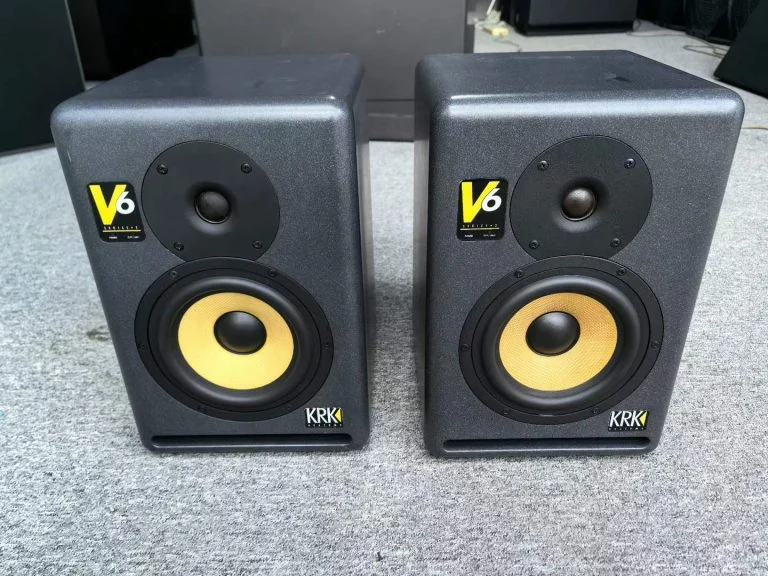
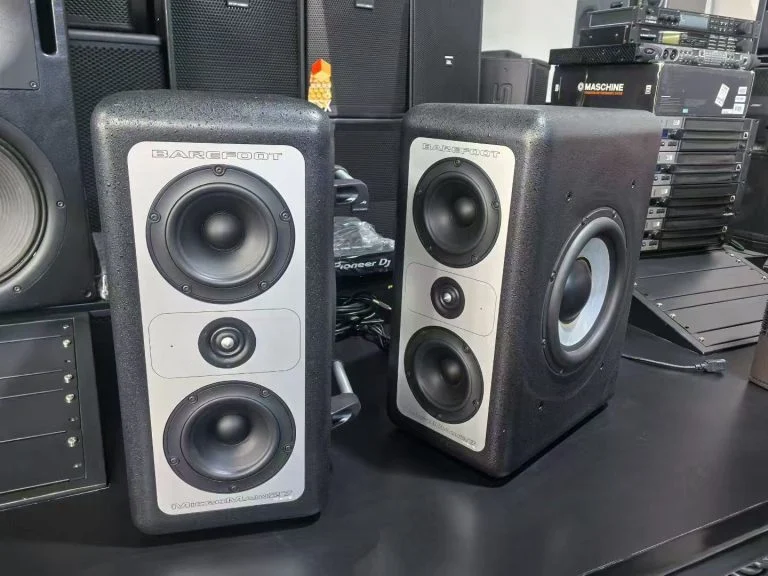
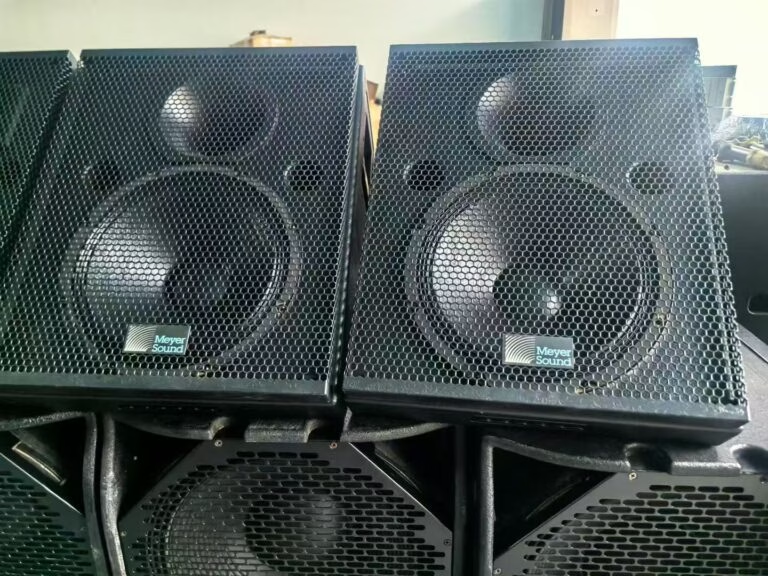
Buy used if the monitor is under 12 years old and has rubber or butyl surrounds. Skip it if the surrounds are foam and the monitor is over 15 years old, unless you are happy to refoam within a year. The price gap is real — 40-55% off new — and the failure modes in nearfield monitors are mostly visible from the front.
Monitors are also one of the few product categories where a 15-year-old model is still a legitimate reference. Speaker design did not transform in that time. Amplifier modules did, and that is where buying new has genuine advantages.
What ages in a monitor, and how fast?
| Part | Lifespan | Visible? | Fix cost |
|---|---|---|---|
| Foam surround | 8-15 years | Yes, crumbling edge | USD 40-120 per driver |
| Ferrofluid in tweeter | 10-15 years | No | USD 60-150 |
| Electrolytic caps | 15-25 years | No | USD 80-250 |
| Cone / spider | 20+ years | Partly | Driver swap |
| Class-D amp module | 10-20 years | No | USD 120-400 |
That table is why a 2008 monitor at half price is not automatically a deal. If the foam is crumbling and the ferrofluid has dried, you are buying a repair job with a cabinet attached.
How do you inspect a used monitor?
- Run a finger around the surround. It should feel like soft rubber, not chalky or crumbly. Cracks at the outer edge mean it is going.
- Sweep from 200 Hz down and up. A rubbing voice coil buzzes on one specific frequency and the cone moves off-centre.
- Listen at idle. Hiss from a powered monitor at zero input means tired amp or noisy op-amp.
- Check both monitors at matched level. A 2 dB difference between left and right means one driver is on its way out.
- Tap the cabinet. A hollow rattle is a loose port tube or a broken internal brace.
Where does new actually win?
DSP and room correction. A USD 400 new monitor in 2026 can have built-in calibration, and a 2010 monitor at USD 300 has none. If your room is untreated and small — under 20 m² — the calibration is worth more than the driver quality difference.
Second place new wins: service. Monitor brands change amp module designs every few years, and a dead module on a 12-year-old model may be unrepairable. Before buying used, call a local service centre and ask whether the module is still available. It takes five minutes and it is the single most useful question you can ask.
Which used monitors are the safer bets?
Models that sold in tens of thousands and are still in production: Yamaha HS series, Genelec 8000 series, Adam A7X, Focal Alpha. All have rubber surrounds, serviceable modules and a healthy used parts market. Avoid any model whose foam surrounds have not been replaced in 15 years, and avoid no-name monitors entirely — the crossover and amp design is where the cheap ones fall apart.
If the studio also needs a console, it is cheaper to buy both from one source than to pay two freight bills from two continents. Our Yamaha DM1000 page is a common pairing for people building a control room on a fixed budget.
What is a fair price?
Rough 2026 street prices for used nearfields: 5-inch pairs USD 250-450, 7-8 inch pairs USD 450-900, and 3-way midfield pairs USD 1,200-2,800. Anything under 12 years old at 50-55% of new is a fair deal. Above 65% of new, buy new and take the warranty.
Key Takeaways
- Used studio monitors typically sell at 40-55% below new.
- Foam surrounds die in 8-15 years; rubber surrounds last much longer.
- Check both monitors at matched level — a 2 dB gap signals driver wear.
- New wins on DSP room correction and on parts availability.
- Call a service centre about amp module availability before buying.