The short answer: you can catch 80% of bad used microphones in five minutes with three tests, a phantom-powered condenser, a dynamic mic, and a phone recorder. Tap test, cable swap, and a 100Hz-to-10kHz sweep. If a seller refuses those, the microphone is the problem.
Microphones are the most commonly mis-sold used item in pro audio, mostly because they are small, easy to relabel and hard to inspect through a photo. A used Shure SM58 at $55-75 is usually fine. A used $300 condenser at $90 is usually not.
The pattern is consistent across 40+ used mic lots I have handled: dynamics survive abuse, condensers do not. A dynamic capsule is a coil and a magnet, and there is very little to break. A condenser is a 6-micron mylar diaphragm at 60 volts, and one drop can flatten it permanently.
What does the tap test tell you?
Hold the mic by the body, not the grille, and tap the body lightly with one finger while monitoring. A working capsule gives a dull thud. Loose debris or a detached capsule gives a rattle or a rustle that follows the tap. That rustle is the single best early warning of a capsule that has been dropped.
Then speak normally at 5cm. Listen for intermittent crackle when you move the cable connector. If the crackle follows the cable but worsens when you wiggle the connector, the XLR socket is worn, which is a $10 part on most dynamics but a 30-minute solder job.
How do you test a condenser without a studio?
Bring phantom power and a known-good cable. Any mixer with 48V works, including a small USB interface. Turn gain up with no source and listen for hiss and for 50/60Hz hum. A condenser that hums with a short cable has a grounding fault in the capsule circuit, and that is not repairable at the sort of price you paid for a used mic.
Then check the polar pattern by walking around the mic while speaking. A cardioid condenser should drop noticeably behind the capsule. If the rear is as loud as the front, the capsule is shorted and you have bought a very expensive paperweight.
Does the room change what a used mic is worth?
Yes, more than most buyers expect. An SM58 is worth $60 in Lagos and $70 in Manchester, because shipping and duty vary, not because the mic differs. A condenser that needs 48V is worth less in a market where most venues run powered mixers without phantom power. Check what your own rooms can power before you buy a deal.
Humidity matters too. Condenser capsules in coastal markets with 80%+ humidity fail two to three years earlier than in dry climates. A used condenser from Mombasa is a different risk profile from one in Nairobi at 1,700m.
Which brands hold up best second-hand?
| Mic | Used price 2026 | What usually fails | Verdict |
|---|---|---|---|
| Shure SM58 | $55-75 | Almost nothing | Safest used buy in audio |
| Sennheiser e835 | $70-90 | Grille dents only | Very safe |
| Shure SM7B | $250-320 | Foam rot inside grille | Good, check the foam |
| AT2020 condenser | $45-65 | Capsule after drops | Risky below $40 |
The SM58 is boring advice and it is still the correct advice. A used one at $60 will outlive three cheap condenser purchases, and if it ever fails you can replace the capsule for $40.
Wireless systems deserve their own warning. Handheld wireless at $120-200 used is almost always a 2011 system on a band your regulator has since reassigned. In the EU the 700MHz band went to mobile in 2014, so a cheap system from that era is legally unusable. Check the frequency printed on the receiver before you buy, and prefer 470-694MHz.
What should make you walk away?
- Seller will not send a recorded sample. Every phone can record audio in 10 seconds.
- Grille dents over the capsule on a condenser, which usually means the diaphragm was hit.
- A price more than 60% below market. Nobody sells a working SM7B for $70.
- No serial number, or a serial that does not match the model. Counterfeit SM58s are everywhere.
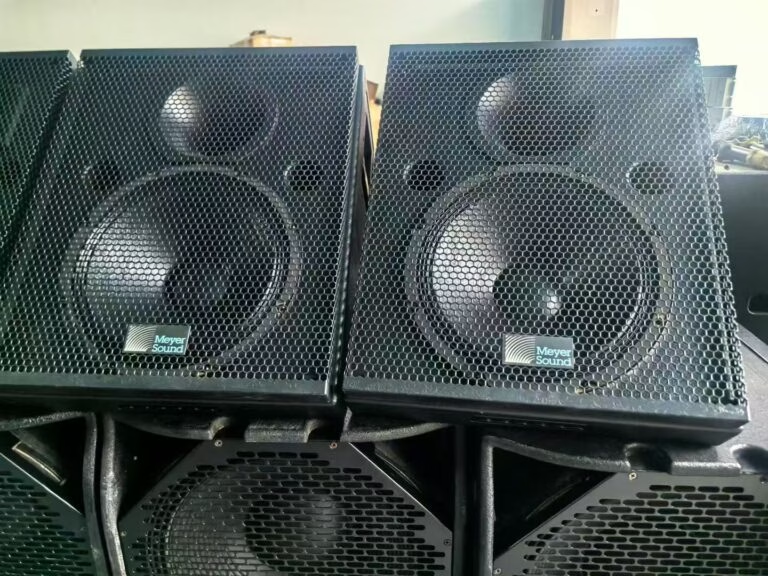
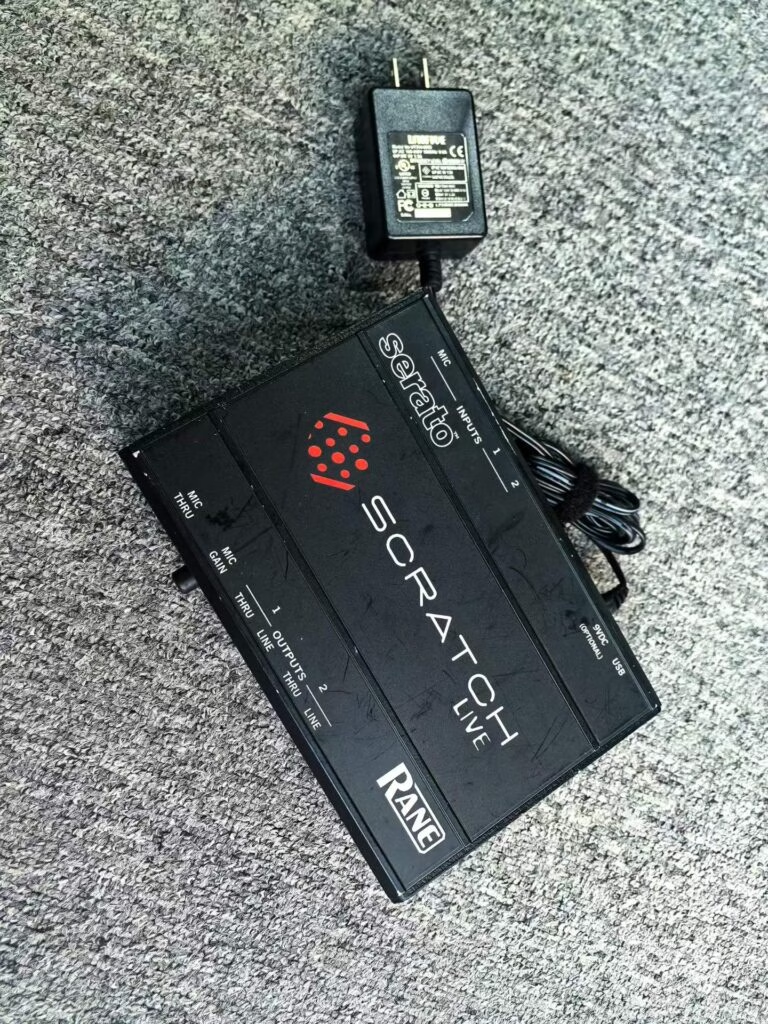
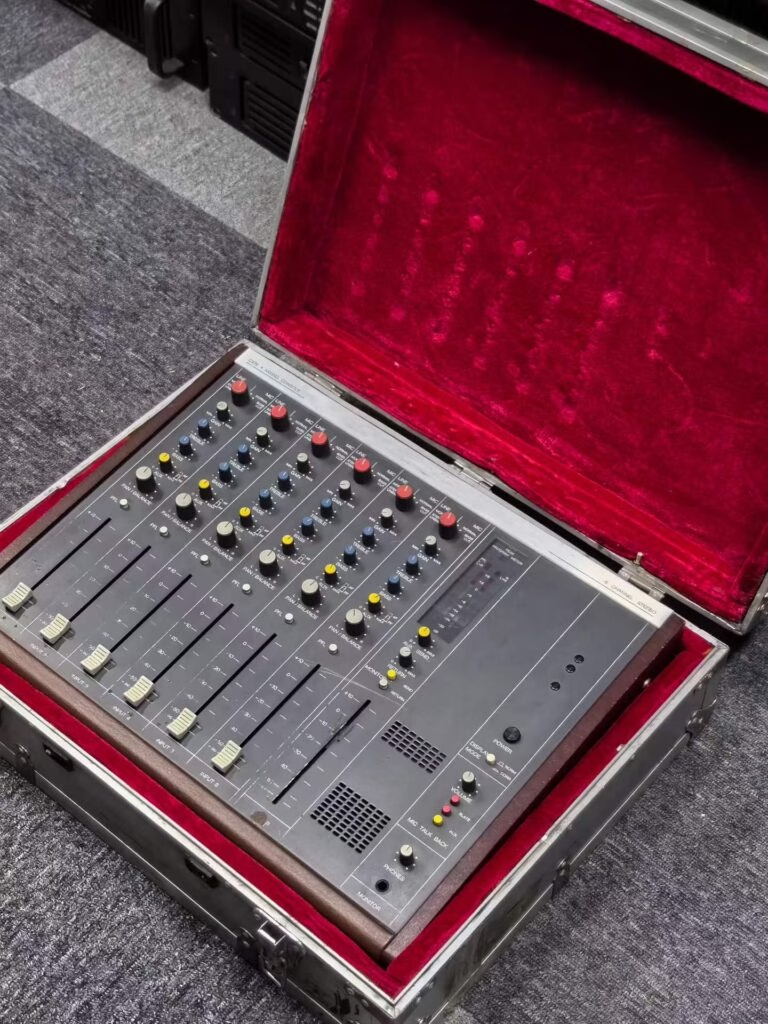
Microphones rarely ship alone. If you are building a rig, the used microphones category shows the signal chain endpoints, and the used mixers category covers what pairs with them.
Key Takeaways
- Tap the body, not the grille: a rattle means a loose or dropped capsule.
- A condenser that hums with a short cable has a grounding fault. Walk away.
- A used Shure SM58 at $55-75 is the safest second-hand purchase in audio.
- No recorded sample from the seller equals no sale.