Check three things on used DJ gear before anything else: the crossfader, the jog wheels, and whether the unit has ever been registered to another owner’s software account. A worn crossfader costs $40–$90 to replace. A controller locked to someone else’s Serato or rekordbox licence is worth almost nothing until they release it.
Cosmetics distract buyers. A scratched top plate on a 2019 Pioneer DDJ means nothing; a sticky jog wheel means the bearing is gone and you will notice it on every transition.
What should you check first on a used controller?
- Crossfader — slide it fully left and right 20 times. Listen for scraping or dropouts.
- Jog wheels — spin both and stop them with a light finger. A wobble means a bent spindle.
- All faders and knobs — sweep every one through its full range, watching for jumps in the software.
- Outputs — test RCA, XLR and headphone jacks separately; a dead headphone jack is common after bar use.
- USB port — wiggle the cable while playing. Any dropout or reconnection is a failing port, $60–$120 to replace.
Why does the software licence matter so much?
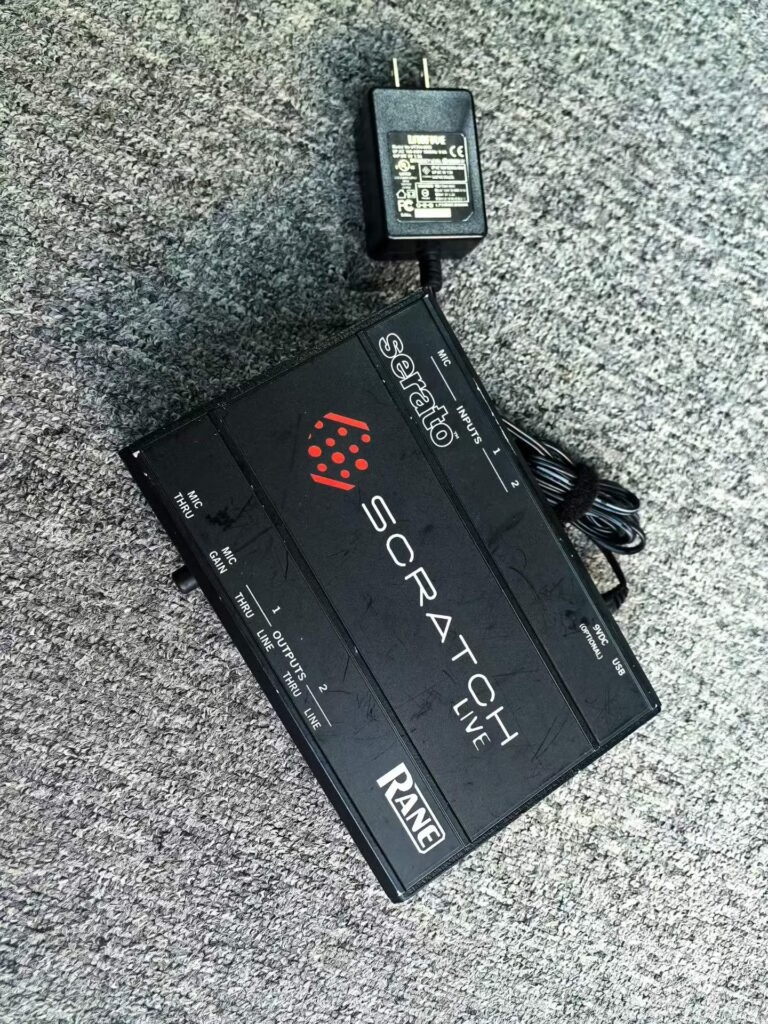
Modern controllers ship with a hardware dealer access for rekordbox or Serato. If the previous owner registered the unit and never de-registered it, you may be locked out of the full software tier. The fix is a support ticket and a few days of waiting, sometimes a purchase proof that a private seller cannot give you.
Ask for a screenshot of the device list inside rekordbox before paying. It is a 30-second check that saves a week of arguing.
What does used DJ gear cost in 2026?
| Item | New price | Fair used price | Main risk |
|---|---|---|---|
| 2-channel controller | $350–$500 | $180–$280 | Crossfader wear |
| 4-channel controller | $1,100–$1,600 | $480–$750 | Jog bearings, USB port |
| Single CDJ-style player | $900–$1,300 | $400–$650 | Laser/servo unit |
| 2-channel battle mixer | $700–$1,000 | $300–$520 | Fader and pot wear |
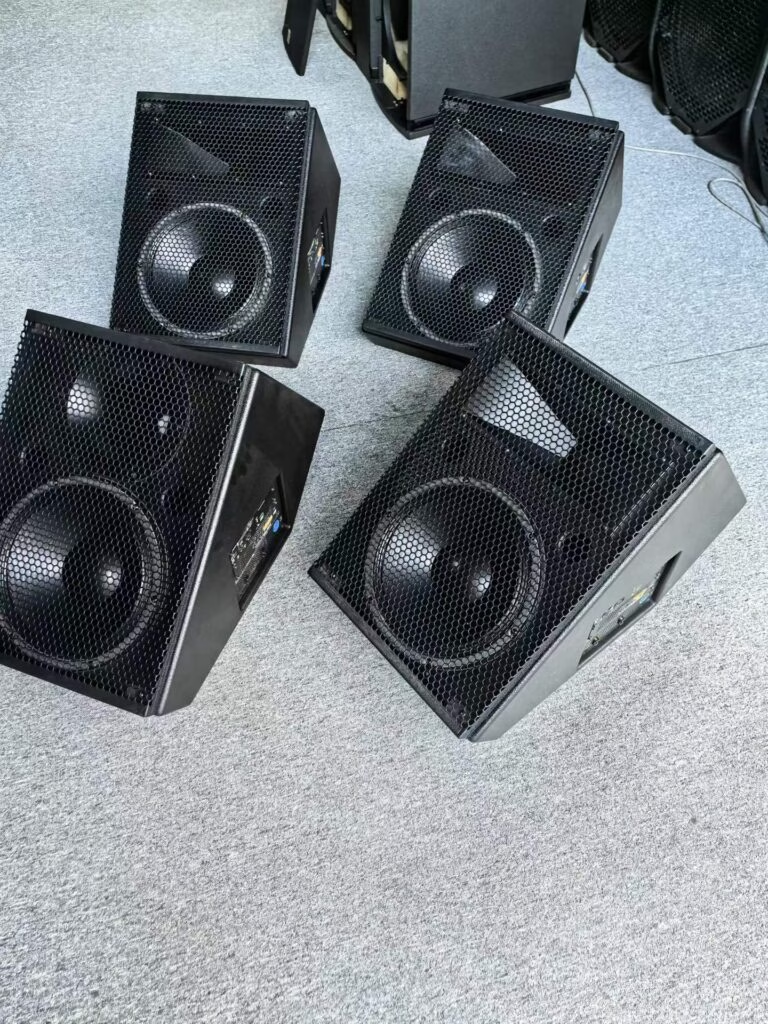
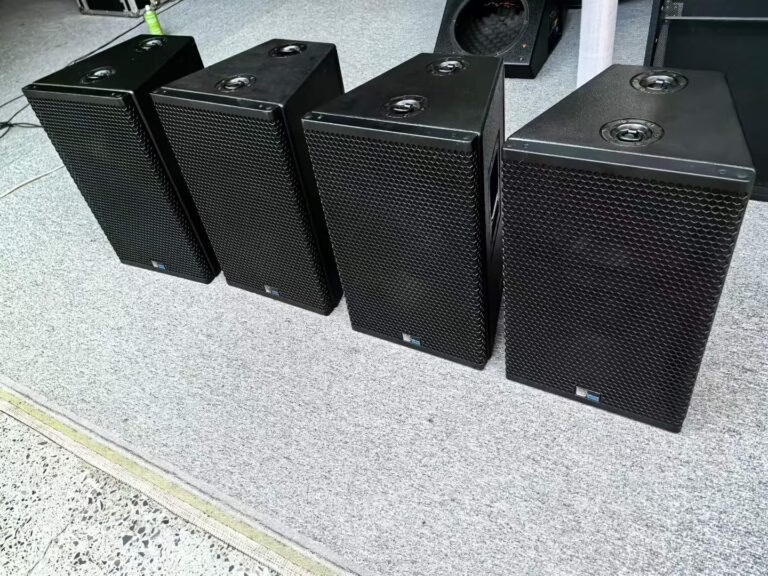
| Active DJ monitor pair | $400–$600 | $190–$320 | Amp module |
Which used DJ gear ages well?
Simple, mechanical gear ages best. A battle mixer with replaceable magnetic faders can be serviced for years. Full-size CDJ-style players are riskier — the servo and laser assembly is the first part to fail and it costs $150–$250 to replace, if the part is still sold.
Controllers with built-in screens have a shorter life than people expect. The screens are not user-replaceable on most models, and a dim display after 5 years of bar work cannot be fixed economically.
What about cables and accessories?
They matter more than buyers think. A used controller with no power supply is a $45 problem; with no original box or foam, it is a shipping damage claim waiting to happen. Ask for the PSU, the USB cable and the manual, and photograph them before payment.
If you are building a rig for export, buy in matched pairs so a single failure does not leave you with two different models. Our DJ gear category lists tested units with fader sweeps recorded, and we note licence status on every controller.
Key Takeaways
- Check the crossfader, jog wheels and software licence before anything else.
- A worn crossfader is $40–$90; a locked rekordbox or Serato licence is far worse.
- Fair used prices: $180–$280 for a 2-channel controller, $480–$750 for 4-channel.
- Simple mechanical mixers outlast controllers with built-in screens.
- Insist on the original PSU and a screenshot of the device list before paying.