Description
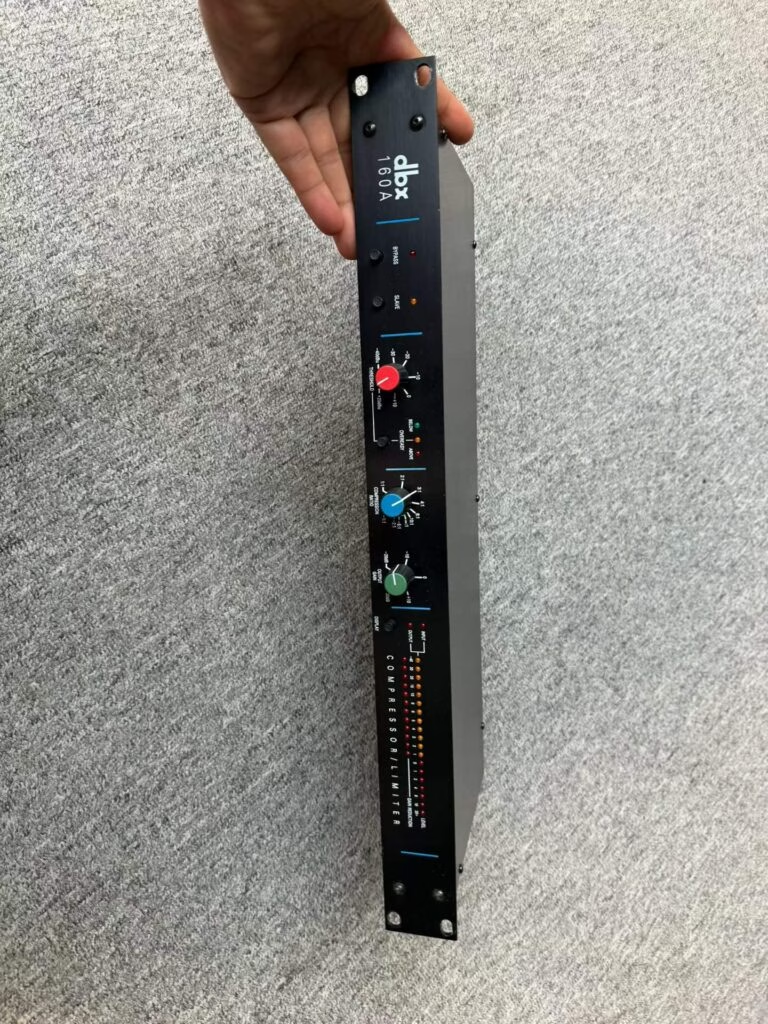
This is a dbx 160A single-channel compressor/limiter, used and working, in stock at our warehouse in China. Price on application. It is the classic analog VCA dynamics box with switchable OverEasy soft-knee or hard-knee limiting, a 1:1 to infinity ratio control and balanced XLR plus TRS connections in a 1U chassis.
The dbx 160A is what a lot of engineers reach for when they want compression they can hear working without hearing the box. It is the later brother of the 160 and 160X, built around a dbx VCA rather than a tube or opto cell, which is why it has a reputation for sounding clean until you ask it to bite. Two of them next to each other behave as a stereo pair: the rear Slave switch makes one unit follow the other’s gain reduction, so a stereo bus or a drum overhead pair gets the same amount of compression on both channels instead of drifting apart.
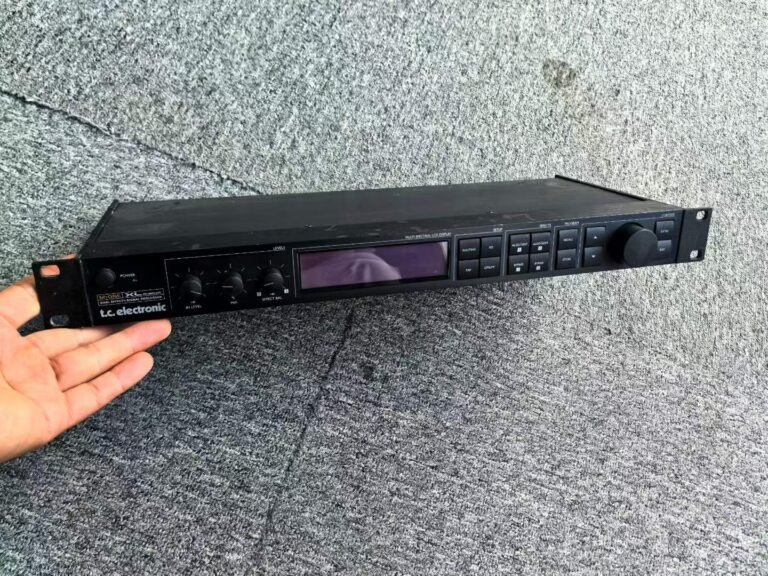
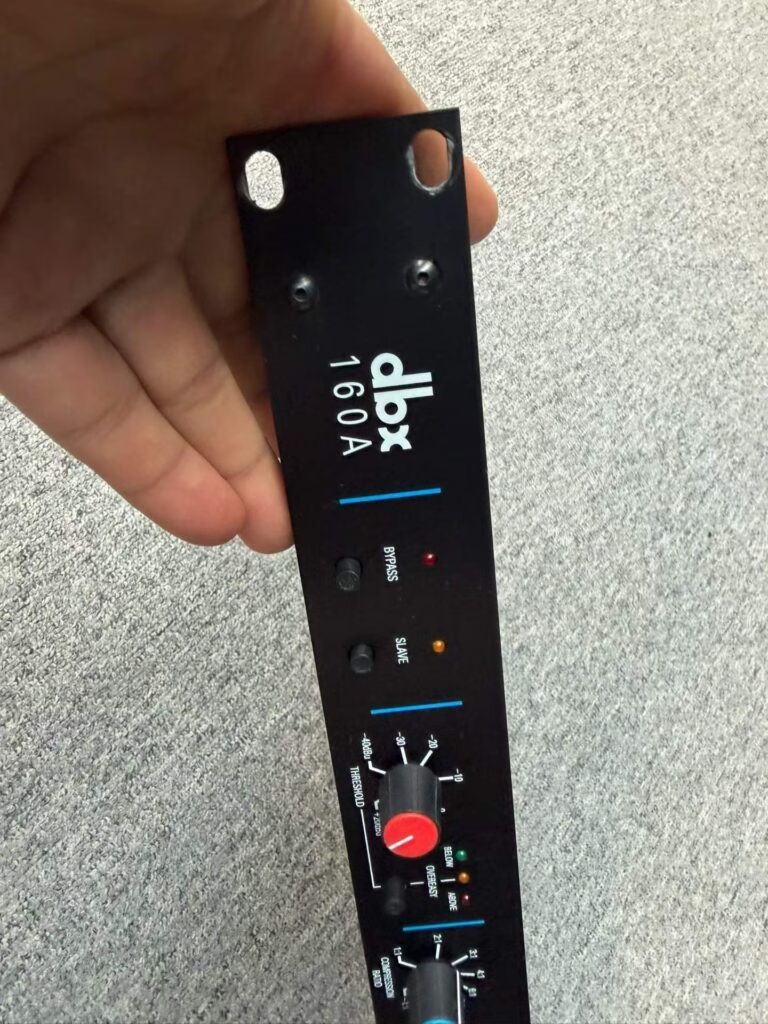
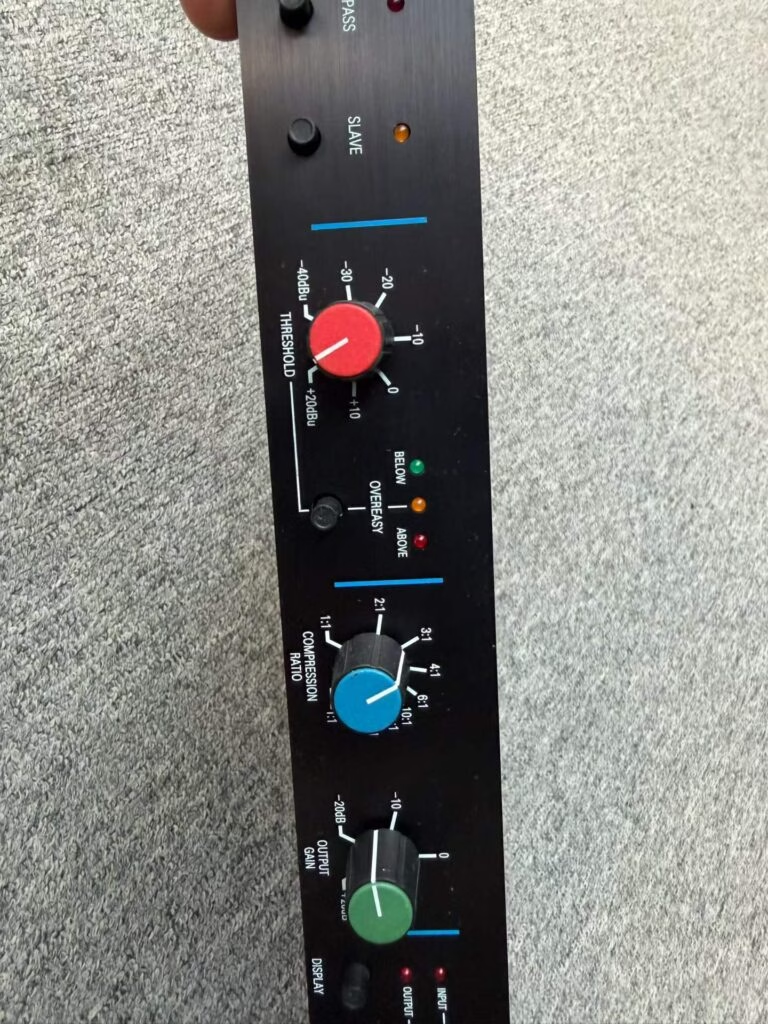
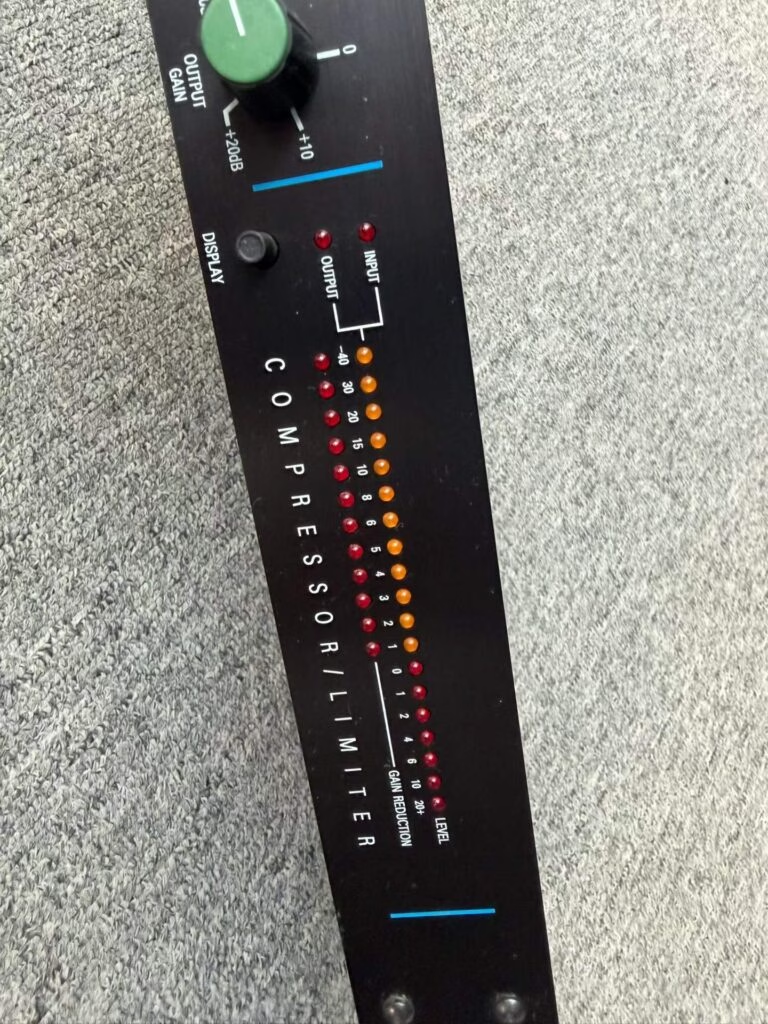
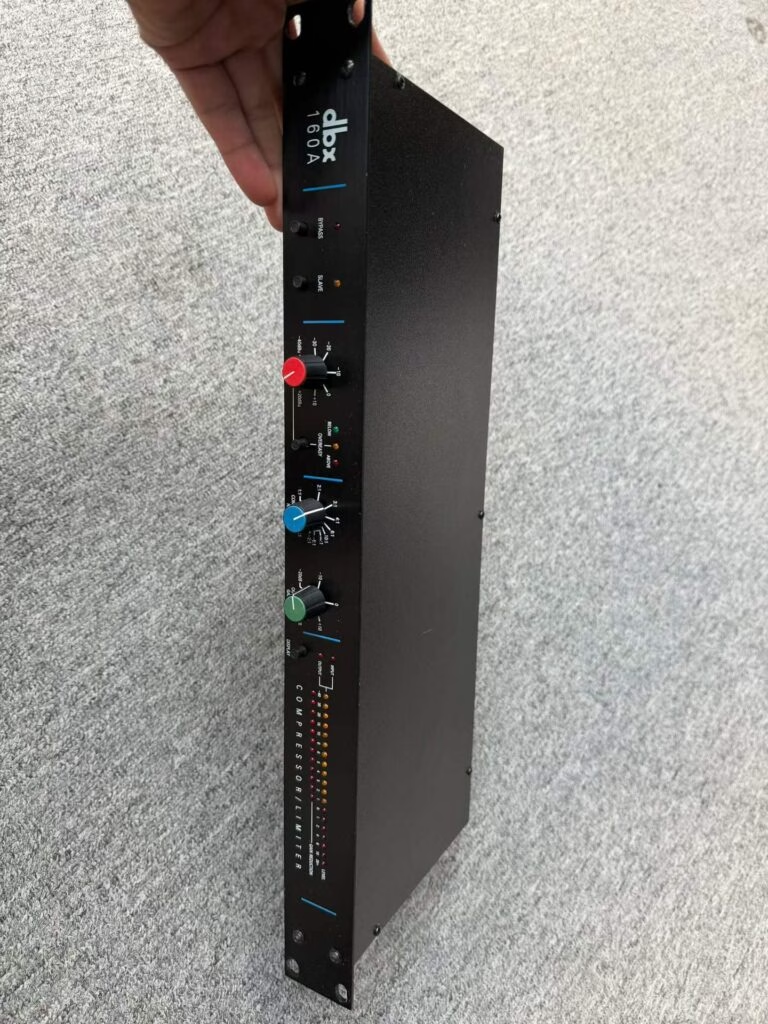
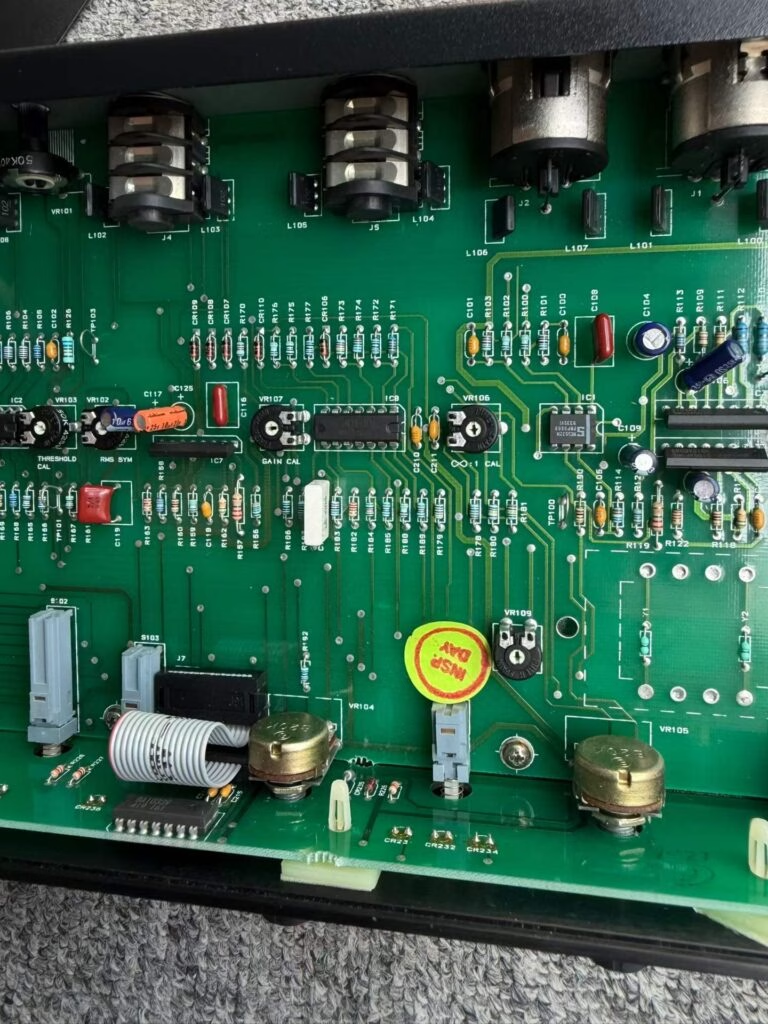
The photographs are the actual unit in our stock: black 1U faceplate, the three red/blue/green control knobs for threshold, compression ratio and output gain, the LED ladder meter, and the bypass and slave buttons. Condition is used, working, tested.
What does the dbx 160A actually do?
It reduces dynamic range in one channel. Threshold sets where compression starts, anywhere from -40 dBu up to +20 dBu, and ratio sets how hard it clamps down, continuously from 1:1 (no compression) to infinity:1 (a hard limit). Output gain adds back up to +20 dB of make-up. The knee switch changes the shape of the transition: OverEasy eases into gain reduction over a wide band so the compression arrives gradually, while hard knee hits the ratio at the threshold exactly, which is what you want when the box is acting as insurance against a mic preamp clipping rather than as a tone tool.
The attack and release are program dependent. You do not set them. The circuit watches the signal and moves the time constants around, faster on transients, slower on steady material. In practice that means a snare or a bass note gets gripped quickly without the release pumping back up in the gap between hits. It also means you cannot dial in an obviously wrong setting, which is a large part of why the 160A survives in rooms where nobody has time to tweak.
Where does it earn its keep?
Three places, mostly:
- Vocals, tracking or live. Set ratio around 3:1, OverEasy, threshold so the loudest phrases pull 4-6 dB of reduction. It holds a singer in place without flattening consonants, and the LED ladder shows exactly how much work is being done.
- Bass guitar. This is the classic use. The program-dependent release keeps low notes pumping evenly instead of ducking between them. Some players track straight through a 160A and never touch a plugin.
- Drum room or overhead pair as a limiter. Hard knee, ratio near infinity, threshold set just under the loudest peak. Two units paired via Slave so both channels clamp at the same point, which stops the image from shifting when one side hits harder.
It is also a common insert on a talkback or announce mic in installed systems where somebody keeps shouting. Hard knee plus high ratio plus a threshold set by ear is a two-minute job and it never needs revisiting.
How do you pair two units for stereo?
Link them with a cable and flip the Slave switch on the second unit. The master’s gain reduction drives both VCAs, so anything that hits one channel compresses both. The catch is that this is true stereo linking, not dual mono with a link: if you only feed one side, the other side still ducks. For a stereo bus that is exactly right. For two unrelated mono sources it is wrong, and you should leave both units in normal mode and accept that they will not track each other.
What should you check before buying a used one?
The 160A is a 1980s design with a switched-mode-ish power section and a VCA that ages. The failure points are known and they are cheap to inspect:
- Meter behavior. Feed a known signal and switch the LED display between input, output and gain reduction. All three should read sensibly. A dead segment in the ladder is cosmetic but it makes the unit much harder to set by eye.
- Bypass. Engaged and disengaged should sound the same level. A level jump means a dirty switch or a tired relay.
- Scratchy pots. The three rotary controls get noisy after decades. That is usually a clean, not a replacement, but ask.
- Hum. A little 50/60 Hz is usually a ground loop in the rack. Persistent hum that follows the unit is a power supply problem.
- Mains voltage. Our stock is the 220-240 V version. If you are in a 110-120 V country you need a step-up transformer, not a plug adapter.
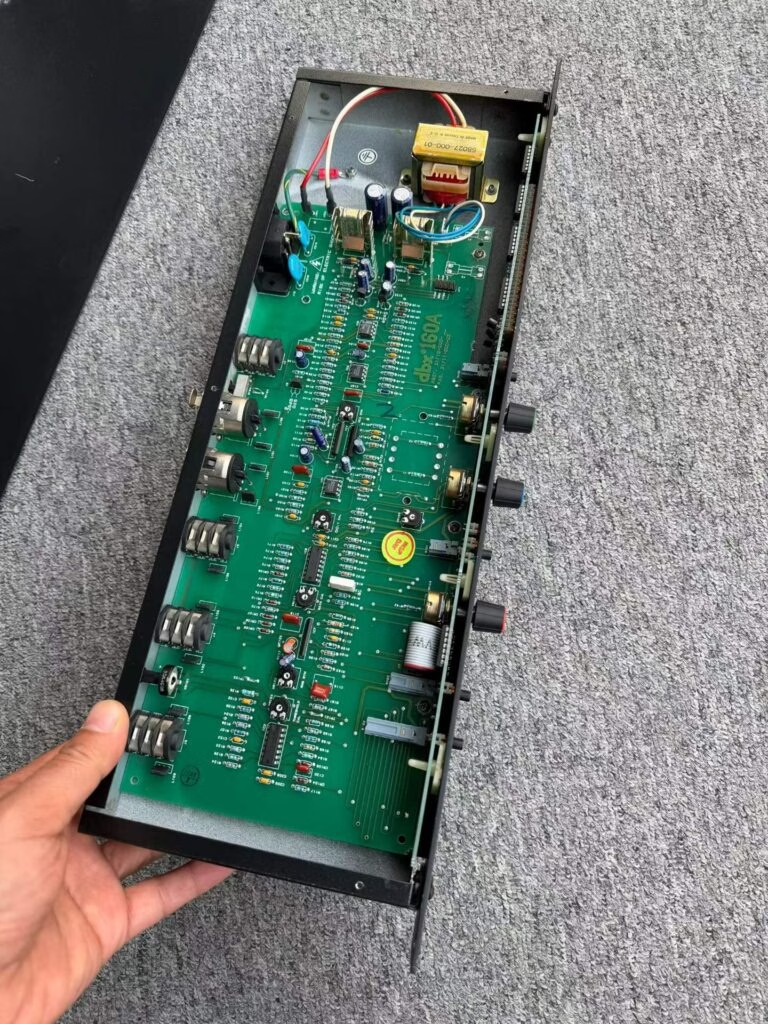
On our unit we can confirm working condition, all controls functional, meter reading, and the photos are of the actual device. We do not sell refurbished cosmetic grading as new stock.
Specifications
| Parameter | Value |
|---|---|
| Type | Single-channel compressor/limiter, VCA |
| Channels | 1 (two units can be linked for stereo via Slave mode) |
| Knee | OverEasy soft knee / hard knee, switchable |
| Compression ratio | 1:1 to infinity:1, continuously variable |
| Threshold | -40 dBu to +20 dBu |
| Output gain | 0 to +20 dB |
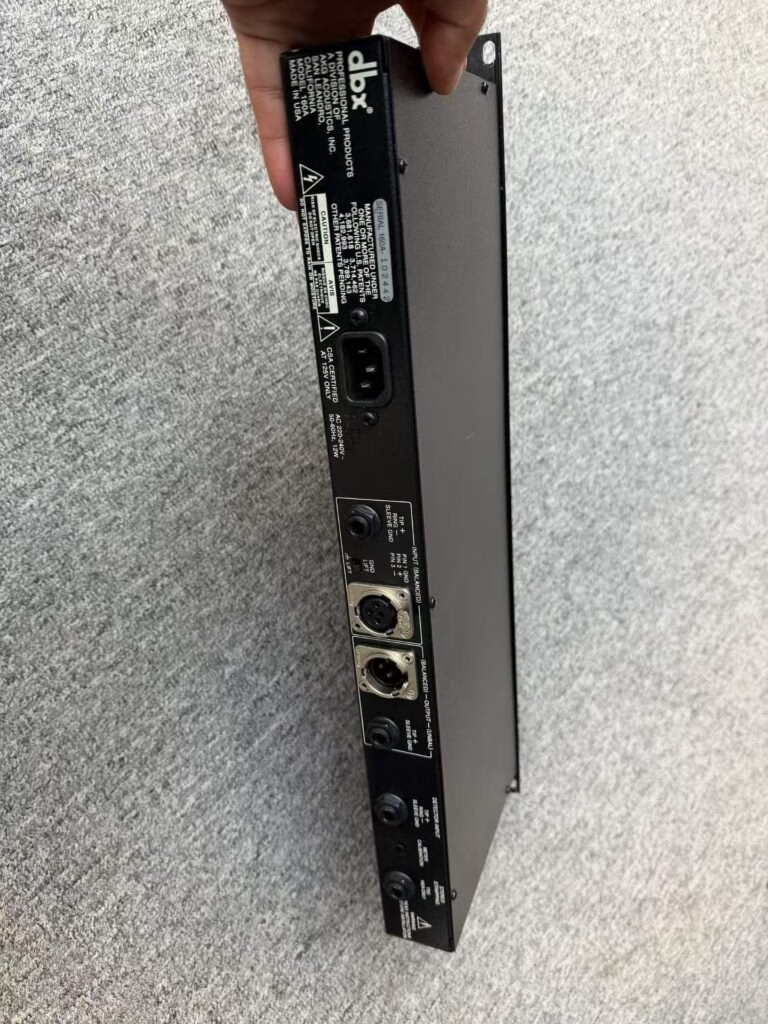
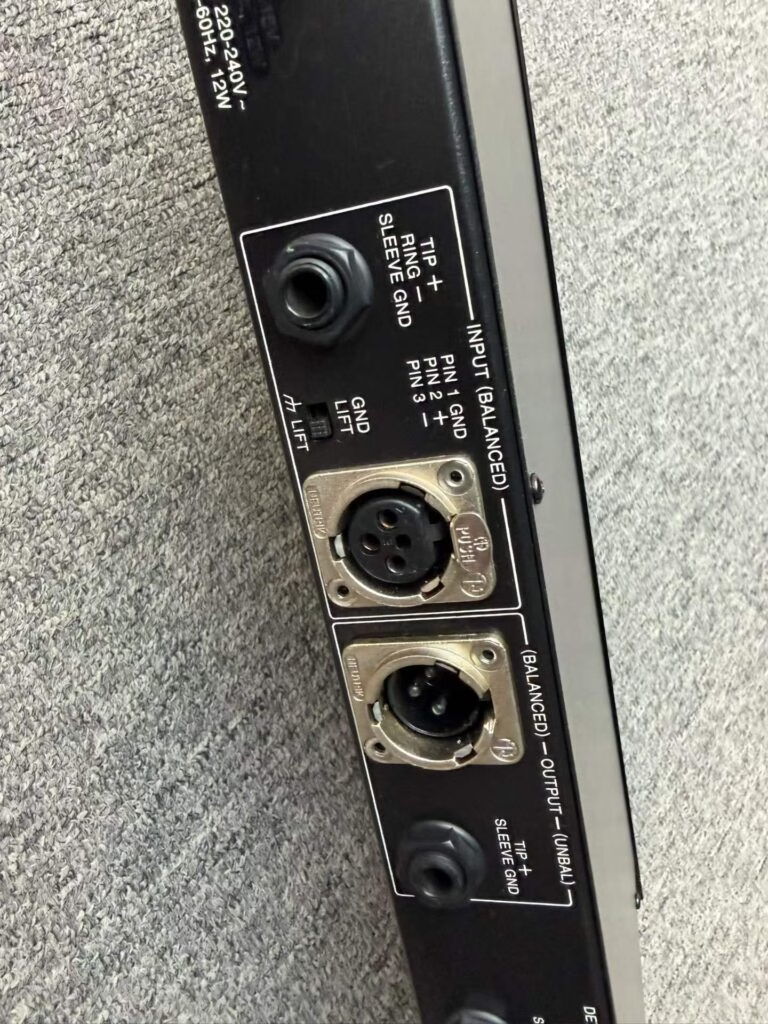
| Connections | Balanced XLR and 6.35 mm TRS in/out, plus unbalanced 6.35 mm output |
| Frequency response | 20 Hz – 20 kHz |
| Noise floor | below -90 dBu |
| Attack / release | Program dependent, automatic |
| Metering | LED ladder, switchable input / output / gain reduction |
| Power | AC 220-240 V, 12 W |
| Rack size | 1U, standard 19-inch |
| Condition | Used, working |
| Availability | In stock |
| Price | On application |
Is the 160A still worth buying in 2026?
Yes, and not for nostalgia reasons. A plugin version of a 160A costs almost nothing and sounds close, close enough that nobody on a stream will know. What the hardware gives you is a box with three knobs and no options, in a rack, that turns on and works. That is worth something in a live room where a laptop is already doing six jobs, and worth more in a studio where you want the singer to see the meter move.
The honest downsides: it is one channel, so a stereo task needs two units and a cable. It has no sidechain filter, so low-frequency material will pull the whole signal down unless you accept it or use a different box. It is not a colour piece. If you want squash and grit you want something with transformers or a tube, not this. The 160A is a control tool, and it is good at control.
We hold this unit in stock in China and export worldwide. Tell us your destination port and whether you want one unit or a linked pair, and we will quote with export packing and freight. Amplifiers, consoles and other outboard from the same rack are on our studio gear and PA systems pages as they come in.
Key Takeaways
- dbx 160A: single-channel VCA compressor/limiter, OverEasy soft knee or hard knee, ratio 1:1 to infinity:1, threshold -40 to +20 dBu.
- Program-dependent attack and release means there is nothing to set and nothing to get wrong.
- Two units link through the Slave switch for stereo bus duty; linking is true stereo, not dual mono.
- 220-240 V power supply, 12 W, 1U rack, balanced XLR and TRS plus an unbalanced output.
- In stock in China, used and working, price on application, export packing and freight arranged to your port.