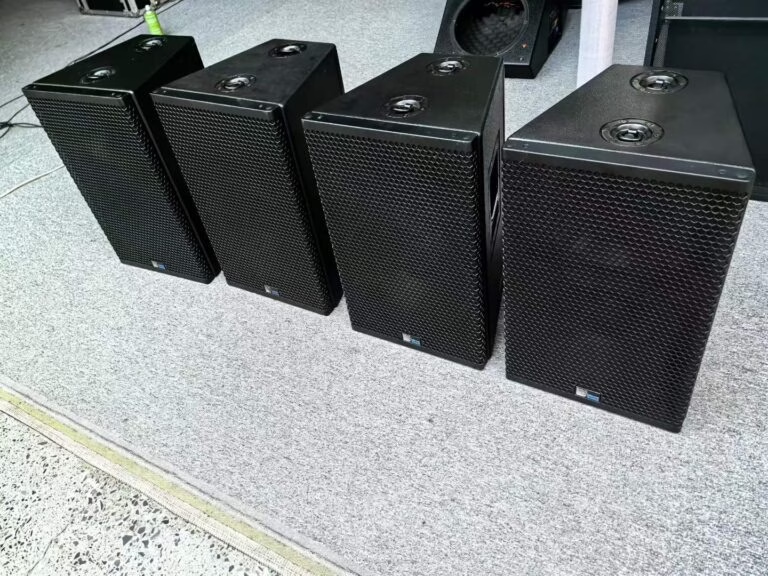
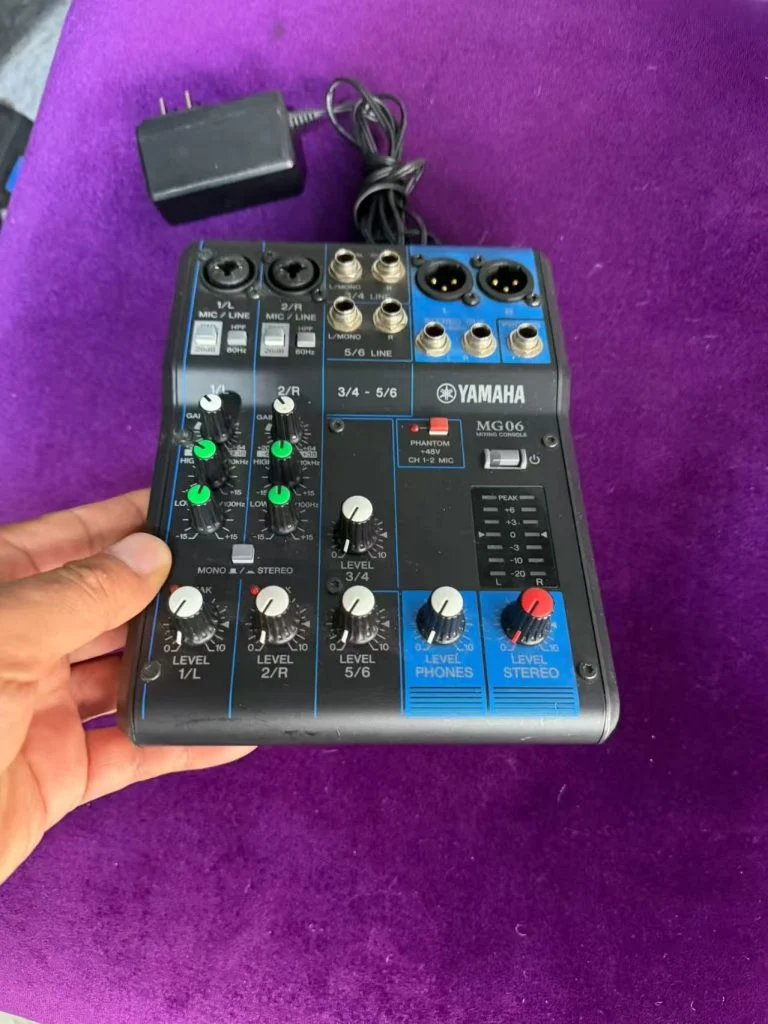
Like New means no visible wear and 95-100% of expected service life. Excellent allows light rack rash or corner scuffs while testing 100% functional. The grades describe appearance and tested function, not age. A 15-year-old console can be Excellent if nothing is actually worn out.
What exactly does each grade cover?
There is no universal standard. Every seller writes their own scale, which is why you should read the words rather than trust the badge.
| Grade | Cosmetics | Function | Typical discount |
|---|---|---|---|
| Like New | No marks, maybe original box | Fully tested, all accessories | 10-20% off new |
| Excellent | Light rack rash, clean grille | Fully tested | 35-45% off |
| Good | Visible scuffs, faded print | Works, minor quirks | 50-60% off |
| Fair / As-Is | Dents, missing parts | Untested or known faults | 70%+ off |
Two sellers can call the same cabinet Excellent and mean different things. One means “no dents and every driver tested.” The other means “it made sound when we plugged it in.”
Why does the grade matter more for speakers than consoles?
Speaker drivers age in ways you can hear but not always see. Foam surrounds dry out and crack after 12-15 years. A cabinet can look spotless and still have a sagging spider, which shows up as distortion at high level and nothing at low level.
Consoles age differently. Faders and encoders wear by touch count, and a display backlight dies quietly. Ask for a photo of every channel meter lighting up, not just the console sitting on a bench looking tidy.
Amplifiers sit in a third category: they often work perfectly right up to the moment a supply cap fails. There is no cosmetic tell at all, so the test report carries the whole grade.
What should you ask before accepting a grade?
Four questions separate a real grade from a sales word:
- What was tested, and with what signal source?
- Are the drivers original, or reconed with aftermarket parts?
- Does it include the power cable, rack ears, and covers?
- What is the serial number, and can you photograph it?
A seller who answers all four in one message is grading. A seller who replies with “very good condition, friend” is not, and the price should reflect that you are carrying all the risk.
How much should a downgrade in grade save you?
Rough rule from export deals: each step down the scale is worth 15-20% of price. Going from Like New to Excellent should save you around $70 on a $400 speaker. If the gap is only $20, the Like New unit is probably mislabeled.
Going from Excellent to Good is where the real money sits. A Good-grade K-array KF12 at 50% off is often the smarter buy for a rental company that will scratch it in month one anyway.
Which grade makes sense for rentals versus installs?
Rental fleets: buy Good. The gear will get dinged this season and nobody at the venue checks corner scuffs. Spending the extra 20% on Excellent is money you will scrape off a loading dock door in July.
Installs in hotels, churches, and restaurants: pay for Excellent, because the client looks at the cabinet every Sunday and the complaint is always cosmetic, not acoustic.
Studio and broadcast: Like New or Excellent, and only with a service record. A noisy monitor in a control room is worse than a scratched one on a stage, because the engineer hears it forty hours a week.
Compare graded units in the speaker category before you commit to a grade level.
Key Takeaways
- Like New = no visible wear, 95-100% life left; Excellent = light scuffs, full function.
- Grades describe appearance and tested function, never age.
- Each step down the scale should save 15-20% of price.
- Foam surrounds crack after 12-15 years even when the cabinet looks perfect.
- Ask what was tested, whether drivers are original, and for the serial number.
Looking for graded stock with serial numbers photographed? Check current speaker listings.