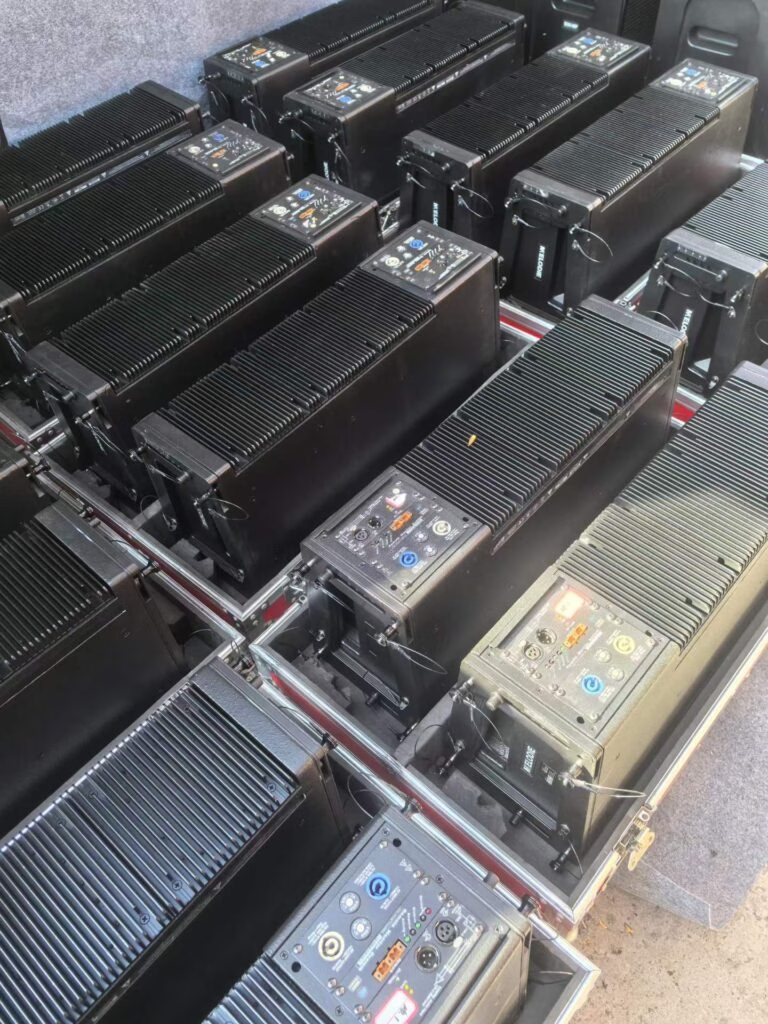
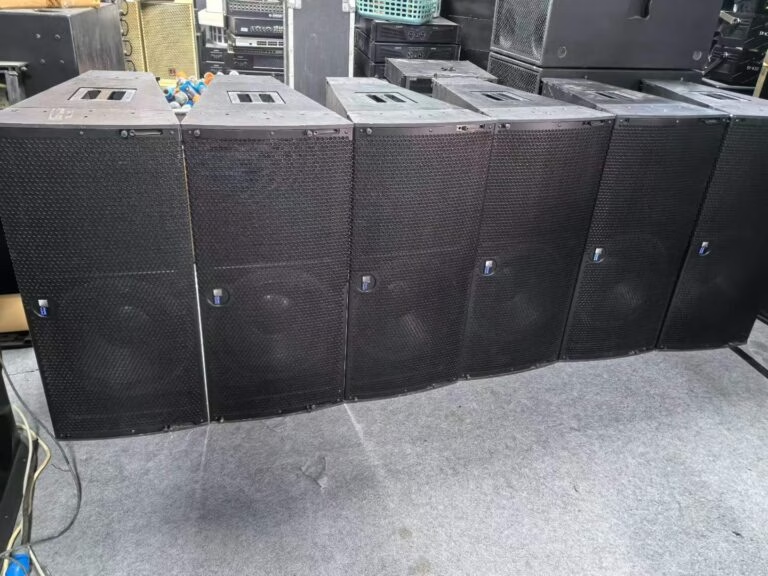
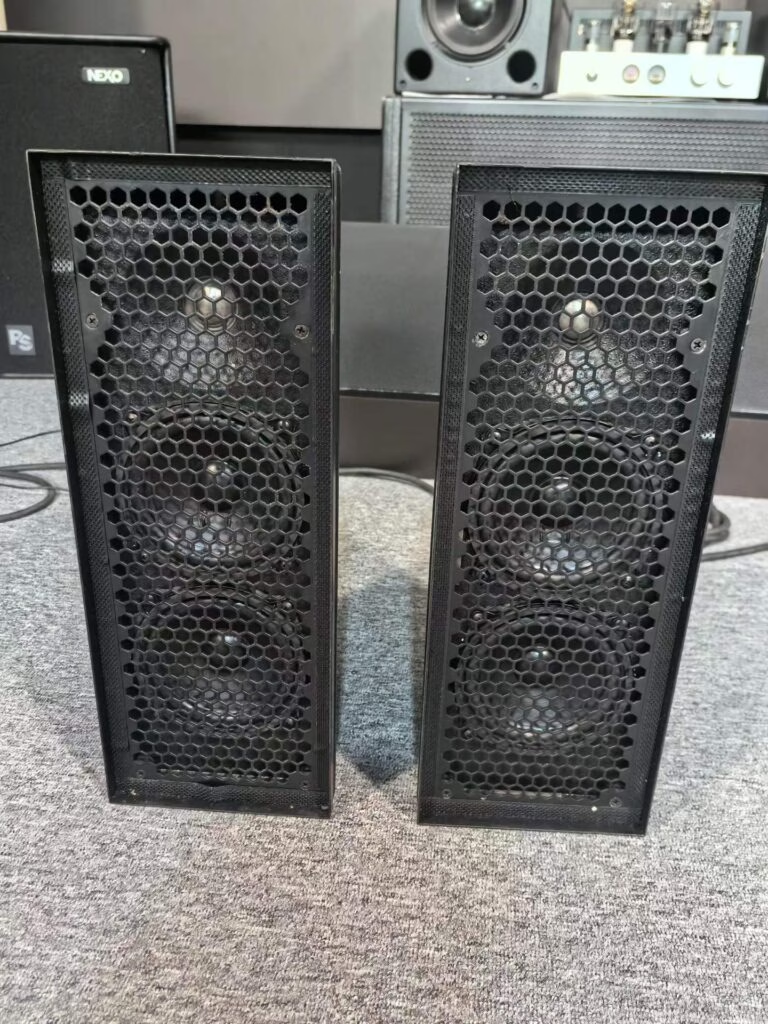
Three documents make a used speaker defensible: an invoice with the serial number printed on it, a customs entry record for imported gear, and a photo of the cabinet in its original install. If a seller can produce two of those three, the risk is low. If they can produce none, you are relying on a handshake.
Why does this matter more for audio gear than for other equipment?
Because pro audio is small, expensive, and easy to move. A pair of speakers worth $3,000 fits in a hatchback and crosses a border in a van. Touring companies insure their inventory, which means serial numbers are recorded, which means a stolen cabinet is traceable if anyone bothers to check. Most buyers do not bother.
Second reason: rental fleets get liquidated constantly. An audio rental company closing down sells 60 boxes at once with a paper trail. A private seller with 60 boxes and no paper trail is a different story, and worth a question or two.
What exactly should you ask for?
- Photos of the serial plate, not the spec label. Every cabinet has a serial, usually on the rear near the input panel.
- The original purchase invoice with a business name on it. Redacted prices are fine, redacted names are not.
- A customs document if the gear was imported in the last five years.
- Install or event photos showing the same cabinets in use, ideally with a date.
How do you actually verify a serial number?
For major brands, email the distributor with the serial and ask for the build date and original ship-to region. Manufacturers like L-Acoustics and d&b keep this. For less formal brands, the serial at least tells you whether all the boxes in a lot came from the same production run. Mixed serials in a lot of twelve usually means assembled from several sources, which is normal for a liquidator and a red flag for a private seller.
| Seller type | Expected documents | Risk level |
|---|---|---|
| Rental company liquidation | Invoices, asset register, service records | Low |
| Dealer / exporter | Invoice, customs entry, export declaration | Low |
| Venue upgrade | Original invoice, install contract | Low-medium |
| Private individual, 2 boxes | Maybe a receipt | Medium |
| Private seller, 40 boxes | None available | High |
What if you are the one importing?
The paper chain changes direction. When you buy used gear from China and ship it to your country, you need the seller’s export declaration and a commercial invoice that matches what arrives. If the serials on the invoice do not match the crates, your customs broker has a problem and so do you. Ask for the serial list before the container is loaded, not after.
This is also why buying from a registered exporter is worth a small premium. A proper listing with documented serials travels through customs with fewer questions than a private sale with a WhatsApp screenshot.
What should you do if the paperwork is missing but the price is great?
Ask for a written statement of source. One line saying where the gear came from, signed and dated, costs a seller nothing if the story is true. A seller who refuses to write that sentence has told you something. For gear under $500 the risk may be acceptable. For a $6,000 lot, it is not.
And a practical note most people miss: photograph the serials yourself on delivery, before you load them anywhere. If a dispute starts later, that timestamp is your only evidence of what you received and when.
Key Takeaways
- Invoice with serial, customs entry, and install photos are the three clean-source documents.
- Two of three is acceptable; none of three is a handshake risk.
- Mixed serials in one lot are normal from a liquidator and suspicious from a private seller.
- Importing needs an export declaration whose serial list matches the crates.
- Photograph every serial yourself on delivery for later dispute evidence.