Condition words on used audio gear are marketing, not measurement. A working definition I use: ‘Like New’ means under 50 hours, no marks, original box. ‘Excellent’ means fully functional with light surface wear. ‘Good’ means functional with visible scratches or a replaced part. ‘For parts’ should mean it doesn’t power on. Anything else is the seller’s opinion.
Grades exist for one reason: they let a listing avoid saying ‘it has a dent’. So treat the word as a starting point and price the actual defects yourself.
What should each grade mean in practice?
| Grade | Hours | Cosmetics | What you accept |
|---|---|---|---|
| Like New / Mint | Under 50 | No marks, original packaging | Higher price, small saving. Only worth it on mics and controllers |
| Excellent | 50-800 | Light scuffs on corners, clean grille | The normal buy for rental-house stock |
| Good | 800-3,000 | Visible scratches, chipped paint, faded screen | Pay 20-30% under Excellent. Plan a service |
| Fair / Working | 3,000+ | Dents, missing knobs, repaired panel | Only if you want the parts |
| For parts | — | Anything that doesn’t power on | Assume dead. Price it as scrap |
The electronics matter more than the shell. A scuffed K-array box that meters clean on both channels is a better purchase than a mint-looking one with a scratchy input. Because a lot of stock moves through exporters, the grade word is often written by whoever cleaned it last, not by a technician.
Why is ‘Excellent’ meaningless without photos?
Because one shop’s Excellent is another shop’s Good. In the UK used market, ‘Excellent’ listings often mean ‘no tears in the cone and it plays’, while Chinese export stock labelled Excellent usually comes with a multi-point test sheet. Neither is wrong, but you cannot compare them as if they were units on the same ruler.
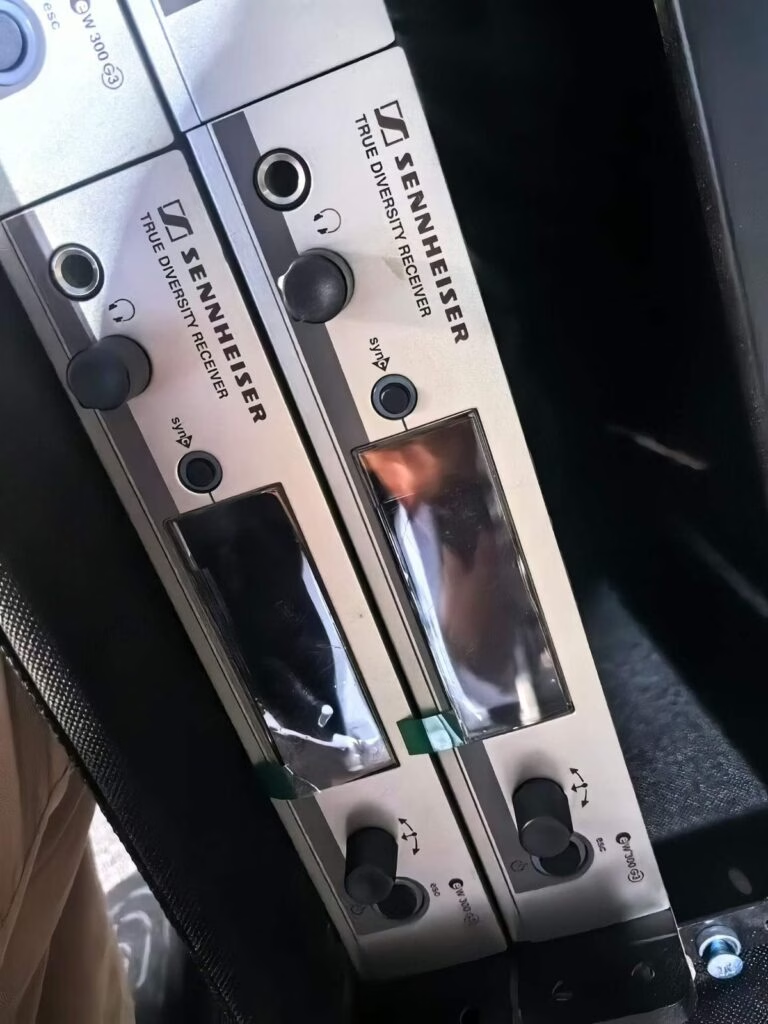
Ask for three photos, every time: the worst cosmetic defect with something for scale, the rear panel including the power inlet and connector labels, and the serial plate. A seller who won’t send those is telling you something.
What should you check that the grade never covers?
- Driver rub: push the cone gently inward and listen for a scraping sound. A rubbing voice coil is a $90-$250 repair.
- Cone and surround: foam surrounds rot in 8-12 years. Foam is repairable, a torn paper cone usually means a new driver.
- Potentiometers and faders: scratchy pots after 10 years of use are near-universal. Cleaning helps, replacement doesn’t come cheap.
- Display and backlight: dim screens on digital consoles are the first thing to fail, and LCD modules for older desks can be hard to source.
- Power supply: ask about hum at idle. Transformer hum you can hear across a room is not cosmetic.
Does grading affect resale later?
Yes, and it costs you about 15%. If you buy at ‘Good’ and resell as ‘Good’, you lose nothing. If you buy ‘Good’ and clean it into ‘Excellent’, you recover 10-15% at resale, which is roughly what the cleaning time is worth. Buy ‘Fair’ only when you enjoy the work.
How do you price a defect once you find one?
Use a simple sheet. Driver replacement on a 12-inch: $90-$250. Fader replacement on a digital desk: $40-$70 each plus labor. LCD module for a 2005-era desk: $150-$400 if you can find one. Then subtract from the fair price for the grade, not from the asking price. Sellers anchor on their own number and negotiate badly when you start from it.
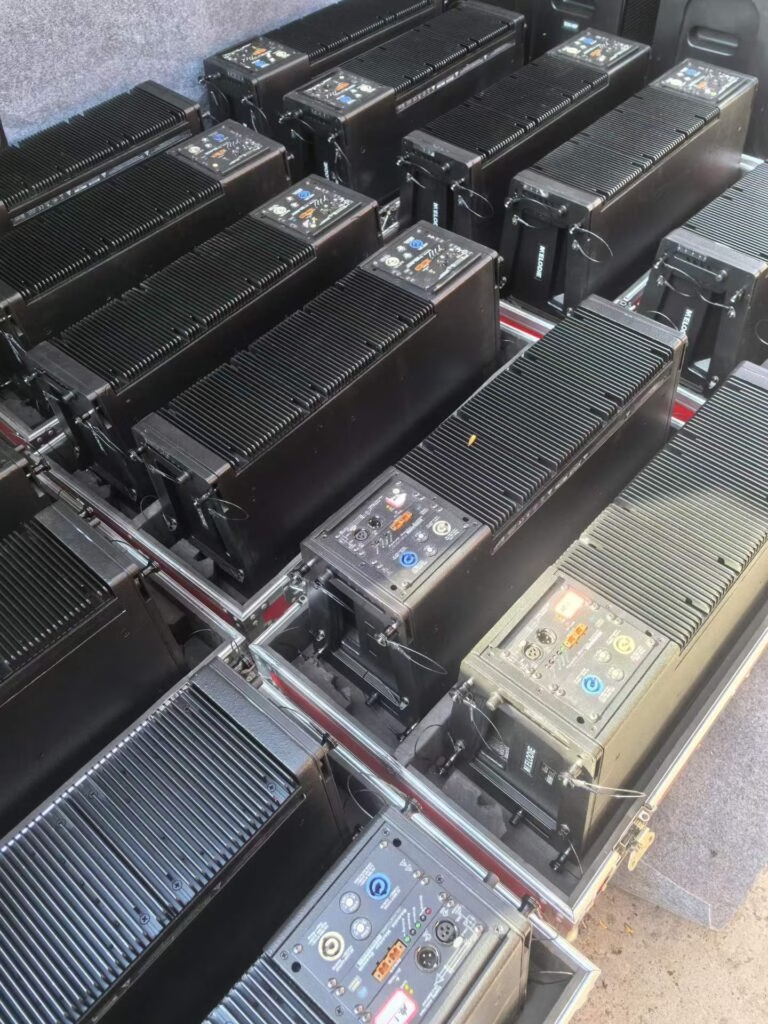
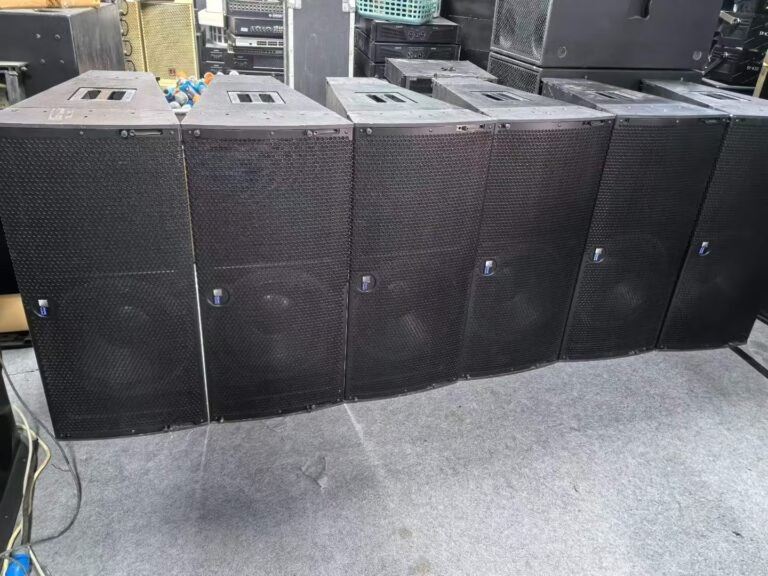
One example of stock where condition is documented rather than claimed: this K-array KF12 self-powered speaker, 12 units with a stated cosmetic grade and a channel test on file. That is the level of detail that turns a grade word into a price.
Key Takeaways
- ‘Like New’ under 50 hours, ‘Excellent’ 50-800 hours with light marks, ‘Good’ with visible wear and a planned service.
- Grades are not transferable between sellers. Three specific photos beat any adjective.
- Driver rub and scratchy faders are the two defects that eat your saving; budget $90-$250 and $40-$70 per part.
- Cleaning a Good unit into Excellent returns 10-15% at resale, not more.