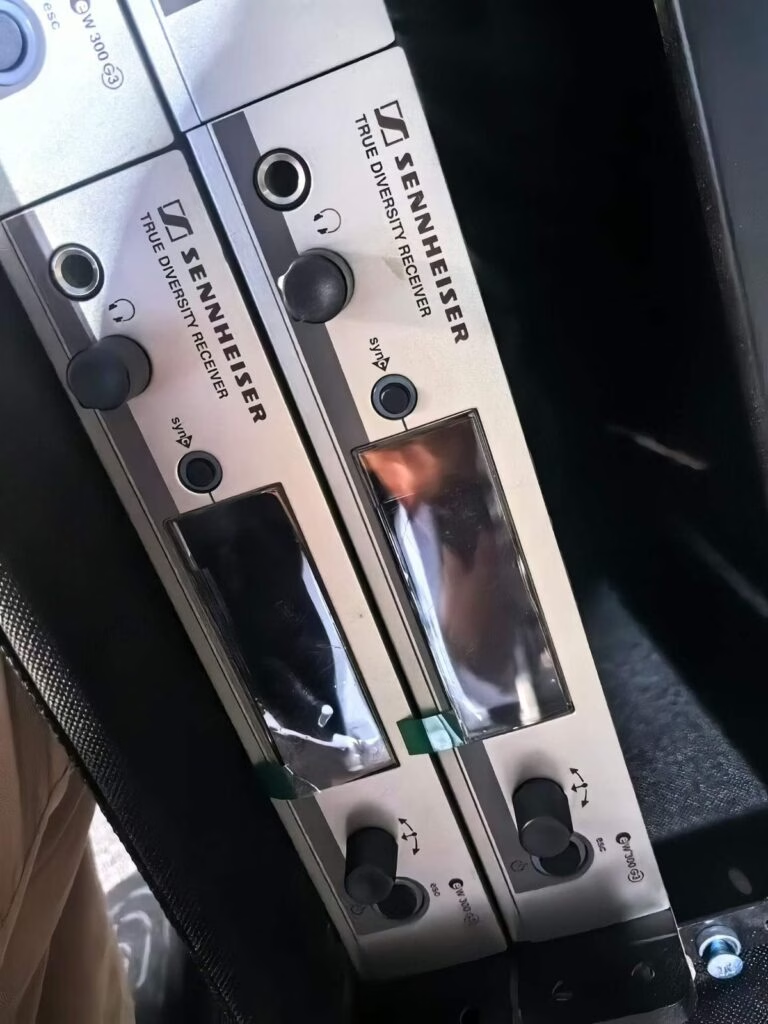
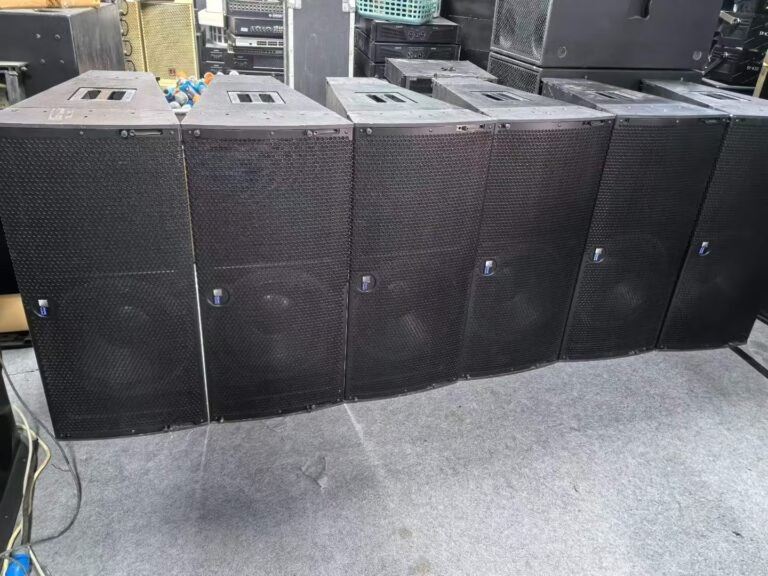
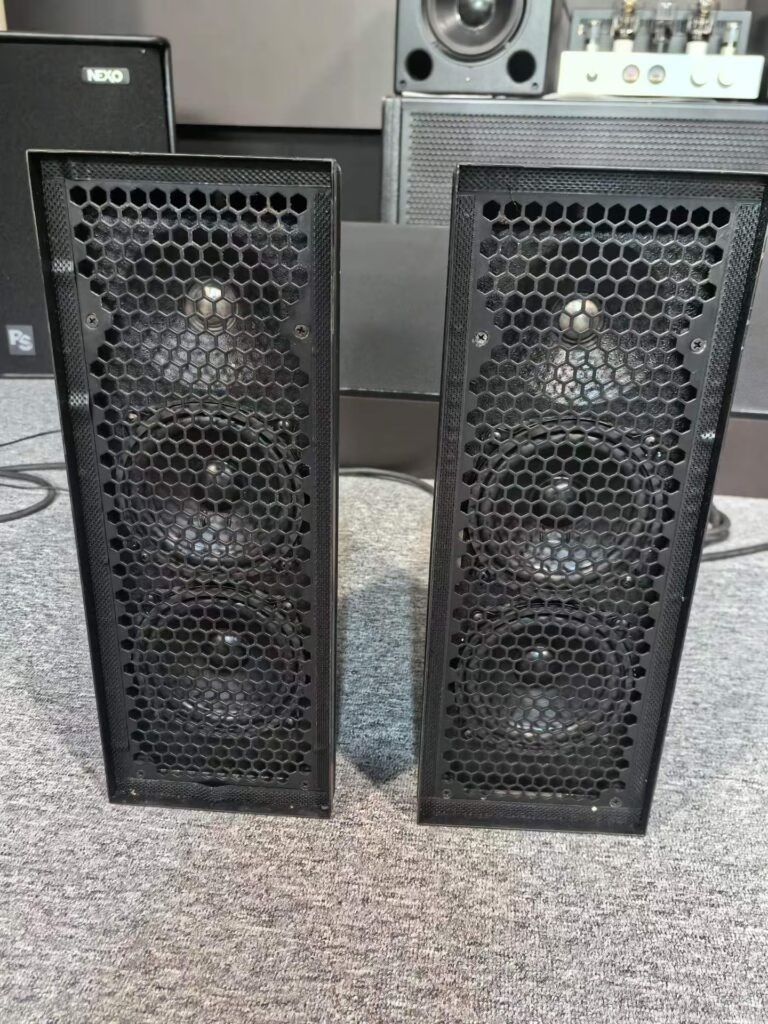
Nothing official. There is no grading standard for used pro audio, so Excellent and Like New are seller words worth 20-35% of price. Photos of corners, serial plates and driver surrounds tell you more than the label ever will.
Who decides what ‘Excellent’ means?
Nobody official. There is no grading authority for used pro audio. A UK dealer’s Excellent and a Chinese export lot’s Excellent can be fifteen years apart in wear, and nothing in the listing tells you which one you bought.
In practice the words map to a rough scale most sellers understand. Mint means boxed with no rack rash. Excellent means used, no dents, no missing knobs. Very Good means working with visible marks. Good means working with cosmetic damage. Fair means working with known faults.
The gap between Excellent and Good is usually 20-35% of price. That is a real number, so a listing claiming Excellent with no photos of the corners is asking you to accept a 20% premium on a word.
What is the fastest way to check a grade claim?
Ask for three photos that anyone who owns the gear can take in two minutes. The cabinet corners, the back panel with the serial plate, and the grille with a light behind it. Missing knobs and grille dents are what separate Excellent from Very Good.
Then ask how many units of the model they hold. Bulk lots are rarely uniform. A seller with 40 Peavey NC 110 cabinets has a spread from Excellent to Fair, and the three photos you receive are usually the best three.
On a call, have the seller tap the cone lightly. A soft papery sound is fine. A dry crackle means the surround has hardened and the driver is leaving.
Or send them a test tone file and ask for a video. A 60 Hz sweep at moderate level will make a voice coil rub audible in ten seconds, and a seller who can do that is usually a seller worth buying from.
Why does ‘Like New’ make me suspicious?
Because genuinely like-new used gear is rare and priced accordingly. A console that sat in a studio for six years and never went on the road can honestly be called that. A unit that covered 200 festivals cannot, however carefully it was wiped down.
The tell is in the small parts. Look at fader caps, jack sockets and XLR latch tabs. Nobody replaces those for photos. Worn latch tabs on a Like New console contradict the description, and that tells you what the rest of it is worth.
Paint is the other giveaway. Factory powder coat is even, with a faint orange peel under a raking light. A re-sprayed front panel has a slightly different sheen along the edges, and the screws around it have been turned. Look at the screw heads before you look at the cabinet.
What do the grades hide about electronics?
Cosmetics say nothing about capacitor age. Electrolytics in a 2008 amplifier are rated 2,000-5,000 hours at 105 degrees. In a hot rack that is five to seven years of real service. The cabinet can be immaculate while the supply is at the end of its life.
Rack rash is the one honest cosmetic signal. Every unit that lived in a touring rack has scraped ears and chipped paint along the front panel edges. A 2004 console sold as Excellent with an unmarked front panel was either re-sprayed or never left a studio.
Speakers are the same. A cabinet with perfect tolex may have drivers that were reconed twice. Ask for the cone part number, not just the model of the box.
Ask for the manufacture date code too. Most drivers and consoles carry one, and it takes the seller thirty seconds to photograph. When the date code is five years newer than the model year, you are looking at a unit that has already been opened once.
How should a grade change what you pay?
Treat the grade as a discount signal, not a quality signal. Like New: pay close to market. Excellent: pay market. Very Good: 10-15% under. Good: 25% under. Fair: only with a service bench and a parts source.
Write the grade into the order. If the invoice says Excellent and the unit arrives with a cracked horn, you want that word on the paperwork. Sellers answer a documented claim differently from a complaint.
Grades also travel badly. What a Chinese exporter calls Excellent A-grade in a bulk lot is often what a European dealer would call Very Good, working with marks. Neither is lying. The word is doing the same job as medium on a coffee cup, so price it that way.
For bulk purchases, ask for the grade breakdown in writing: how many Excellent, how many Very Good, how many with faults. A lot of 40 that is 30 Excellent and 10 Fair is a different purchase from 40 Excellent, and the price per unit should reflect that split.
Key Takeaways
- There is no industry grading standard for used pro audio; the words are seller labels.
- The spread between Excellent and Good is typically 20-35% of price, so grade photos matter more than grade words.
- Check fader caps, XLR latch tabs and driver surrounds. Cleaning never fixes those.
- Electrolytics in a 2008 amp carry 2,000-5,000 rated hours, and heat spends that budget faster than age.