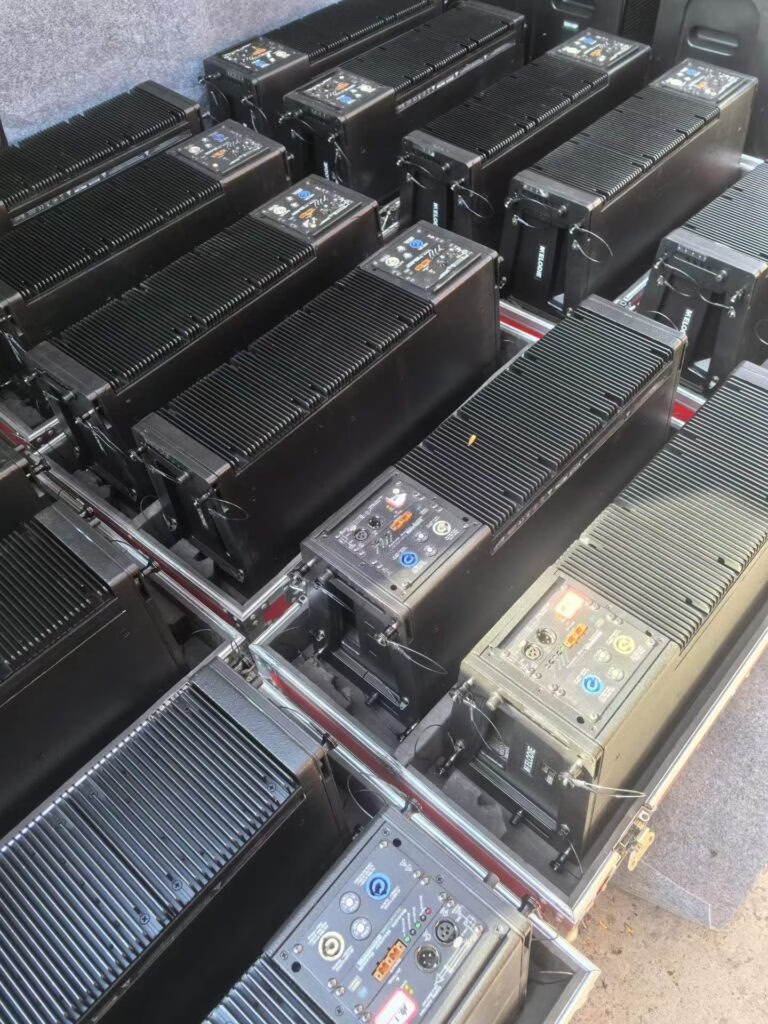
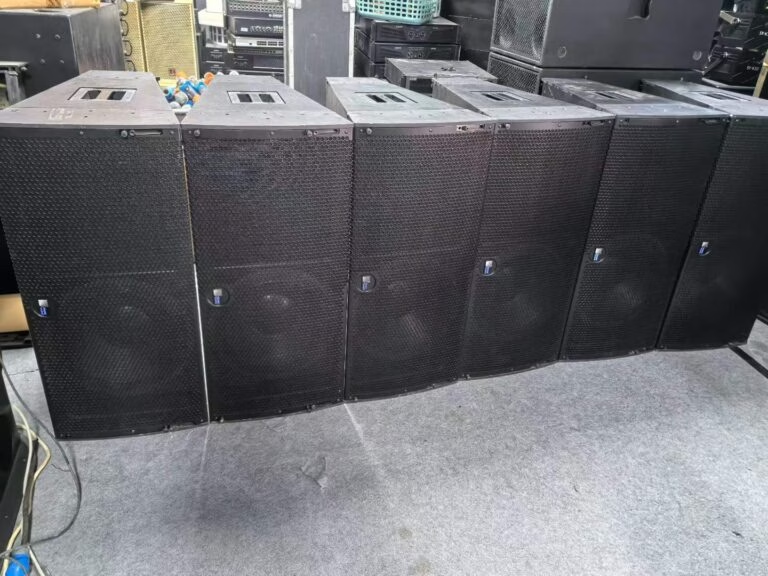
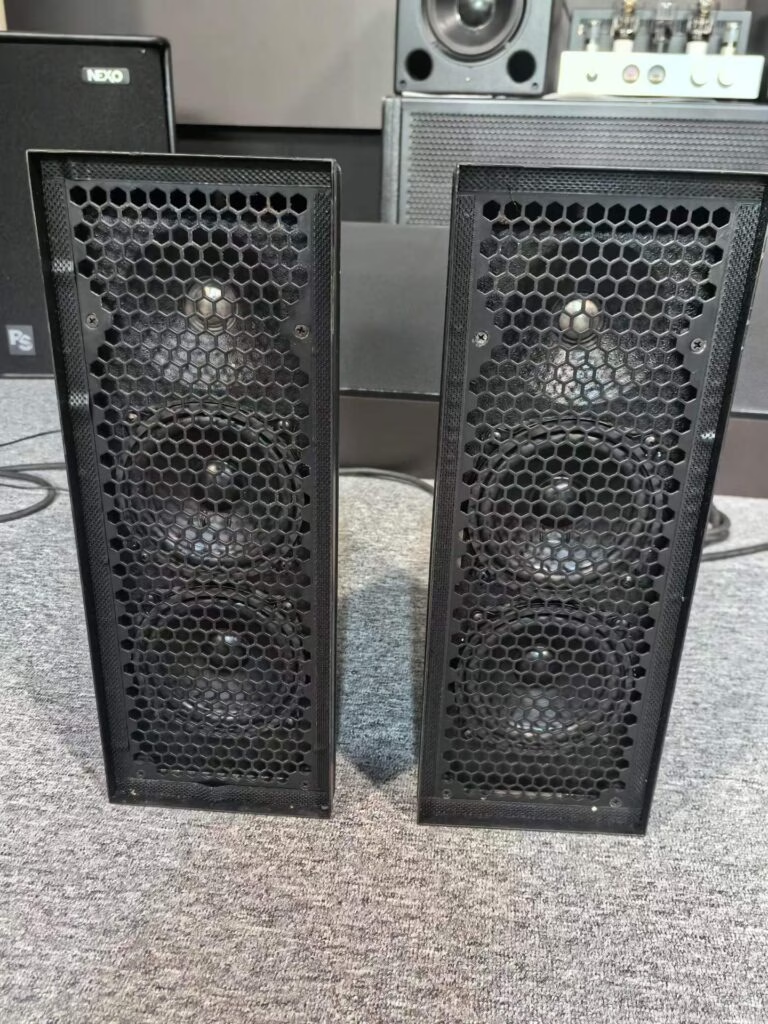
A fair price for used professional audio gear runs 35–55% of the new street price, depending on age, condition and whether the seller has tested it. In 2026 that means roughly $180–$350 for a used 12-inch powered PA speaker, $400–$900 for a used 16–24 channel digital console, and $60–$120 per used dynamic vocal microphone.
Those numbers are the point where Chinese export dealers and African or East European resellers can both make money. If a seller quotes 20% of new price, something is missing. If they quote 75%, you are paying new-ish money for gear with no warranty.
What does used DJ and PA gear actually cost right now?
| Gear type | New price (2026) | Fair used price | Typical China export FOB |
|---|---|---|---|
| 12-inch powered PA speaker (pair) | $1,300–$1,900 | $520–$780 | $380–$600 |
| 16-channel digital console | $2,200–$3,200 | $900–$1,400 | $650–$1,000 |
| DJ controller, 4-channel | $1,100–$1,600 | $480–$750 | $350–$550 |
| Dynamic vocal mic (SM58 class) | $99–$119 | $55–$75 | $45–$65 |
| 18-inch subwoofer driver | $320–$450 | $150–$230 | $120–$190 |
A used K-array KF12 pair sits at the top of the powered-speaker bracket — around $700–$900 for a tested pair in 2026 — because the brand holds resale value in Europe and the Middle East. You can see real listing prices on our K-array KF12 self-powered 2-way speaker page.
Why is used pro audio cheaper in China than in the UK or US?
Volume. China’s rental companies rotate inventory every 18–36 months, so the second-hand pool is large and competition between exporters is tight. Storage is cheap near Guangzhou and Ningbo, and labour for cleaning, testing and repacking costs $8–$15 per unit instead of $40–$80 in Europe.
The gap is not always 50%. Heavy items close the gap fast. A pair of 10-inch passive speakers weighs 26–30 kg; a used JBL CMX6403 pair ships in about 0.2 CBM. Freight from Shenzhen to Mombasa adds $90–$140 per pair. On small, light items the China price wins easily. On big boxes, the shipping eats the advantage.
What pushes a used price up or down?
- Condition grade — ‘Like New’ adds 15–25% over ‘Excellent’ with cosmetic scuffs.
- Test report — a seller who shows impedance sweeps and a recorded pink-noise test can charge 10% more.
- Spare parts — original drivers, grilles and flight cases are worth real money. A flight case for a 16-channel console adds $120–$180 to value.
- Age of the model — a discontinued model with no parts supply drops 20% instantly.
- Batch size — buying 10 units instead of 2 typically cuts the per-unit price by 12–18%.
Should you buy from a dealer or a private seller?
Dealers charge 15–30% more and usually earn it. They test, they pack for sea freight, they produce an invoice you can show a customs officer. Private sellers on classified sites can be 40% cheaper and much riskier: no test data, no export paperwork, and often no pallet.
For a single item under $200, private is fine. For anything you plan to resell, the paperwork matters more than the discount. Ask for photos of the serial plate and a short video of the unit powering on before you pay.
How do you avoid overpaying on your first import?
- Check three listings of the same model in your own market and average them.
- Subtract freight, duty (usually 10–25%) and your handling cost from that average.
- Target a landed cost of 60% or less of local retail used price.
- Buy one sample unit before committing to a pallet.
We keep a rotating stock of tested speakers, consoles and drivers in our speakers category and mixers category. Prices are quoted per lot, and we will send the test video before you wire anything.
Key Takeaways
- Fair used pro audio price = 35–55% of new street price in 2026.
- A used 12-inch powered PA speaker pair: $520–$780; a 16-channel digital console: $900–$1,400.
- Shipping adds $90–$140 per speaker pair to East Africa, which narrows the China advantage on heavy boxes.
- Dealer markup of 15–30% buys testing, packing and export paperwork — worth it above $200.
- Buy a sample unit first; never commit a full pallet on photos alone.