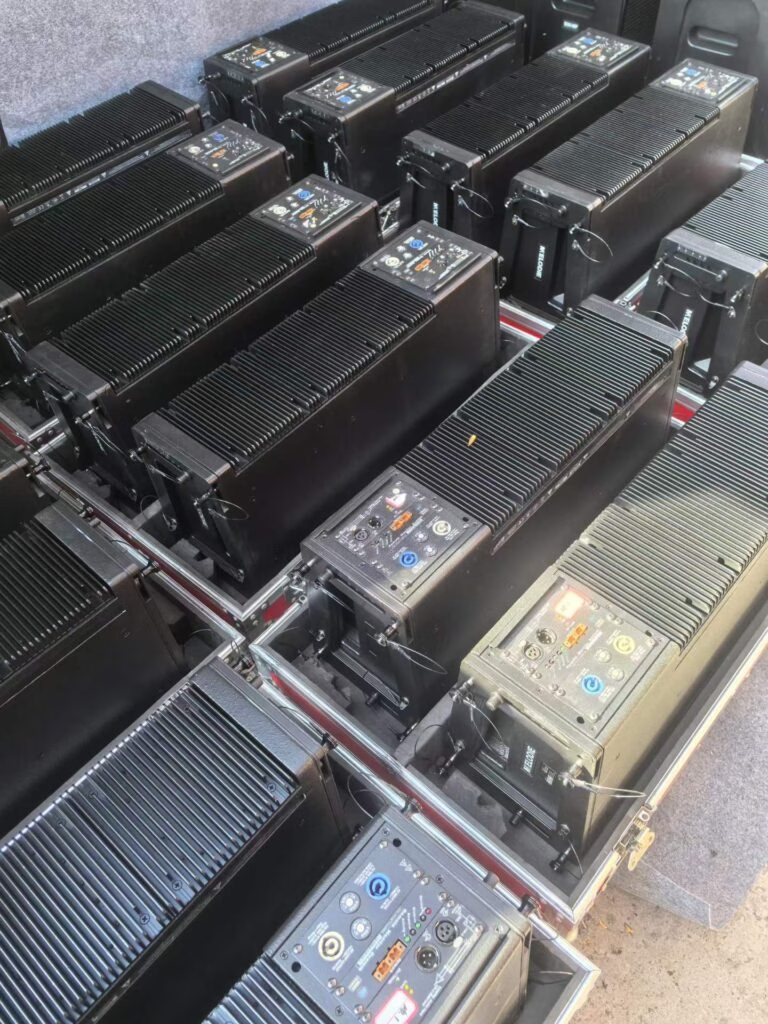
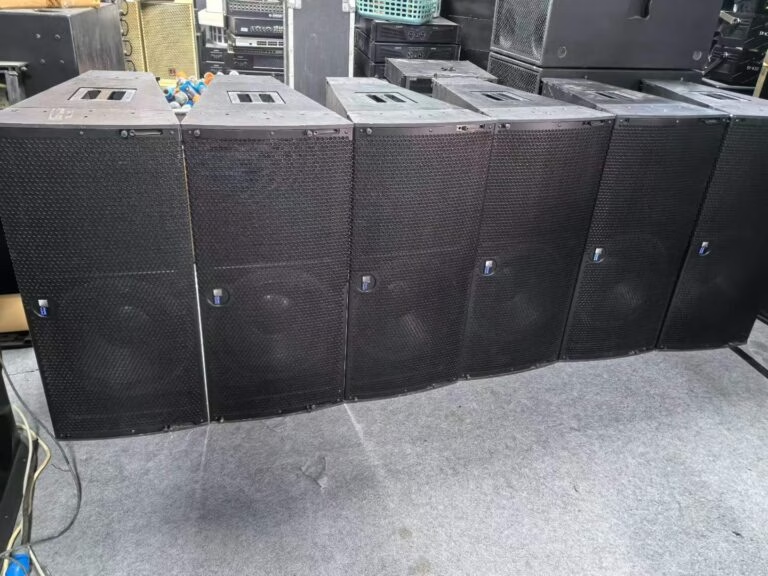
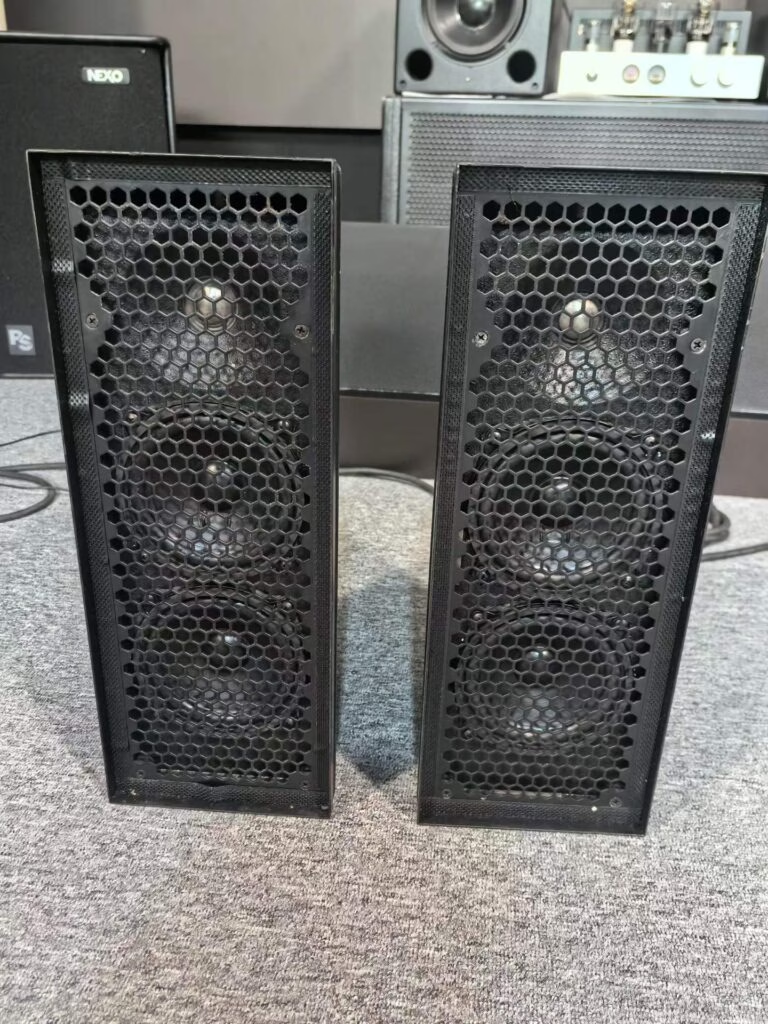
Sometimes, but not usually. A voltage converter is only needed when a device has a fixed mains transformer — most modern powered speakers, consoles and amps are multi-voltage and switch from 100–240 V automatically. Check the rear-panel label first: if it says ‘100–240V ~ 50/60Hz’, you need a plug adapter and nothing else.
Buying a $60 transformer you do not need is a small waste. Running a 110 V amp on 220 V without one is a $600 mistake.
How do you read a voltage label?
| Label on rear panel | What it means | What you need |
|---|---|---|
| 100–240V ~ 50/60Hz | Switch-mode supply, auto-ranging | Plug adapter only |
| 220–240V ~ 50Hz | Fixed single-voltage | Step-up transformer if in 110 V country |
| 110–120V ~ 60Hz | Fixed US voltage | Step-down transformer for 220 V countries |
| 115/230V switch | Manual selector switch | Set the switch, do not use a converter |
Why do some devices fail even with a converter?
Frequency. Most audio gear does not care whether mains is 50 or 60 Hz, but older turntables, tape machines and some synchronised motors do. A 60 Hz motor on 50 Hz mains runs 17% slow, and no transformer fixes that.
The second failure is transformer sizing. A 500 W amp needs a converter rated at 1.5–2× its continuous draw, because inrush current at power-on spikes to three times running current. A 500 W converter on a 500 W amp will trip or overheat on the first bass hit.
What does a converter cost?
- 500 W step-up/down transformer — $45–$80.
- 1,000 W — $80–$140.
- 2,000 W — $140–$240, and it will hum.
- 3,000 W+ isolation transformer — $300–$500, heavy (18–25 kg), usually a rack unit.
A 2,000 W transformer weighs 6–10 kg and adds to shipping weight. For a whole rig, buying 220 V equipment is cheaper than buying converters for every unit.
Which regions actually need converters?
The US, Canada, Mexico, Japan and Taiwan run 110–120 V. Most of Africa, Europe, the Middle East and China run 220–240 V. For exporters, the practical rule: if you are buying into a 110 V country, confirm the gear is switchable or budget a transformer. If you are buying into a 220 V country from China, you almost never need one.
Is a plug adapter enough?
Physically yes, if the device is multi-voltage. Use a proper moulded adapter, not a stack of travel plugs. A loose adapter on a 2 kW load heats up and arcs, and the damage usually reaches the IEC inlet on the device. A $6 adapter is not worth a $40 inlet repair.
Check the gear you are planning to import against its rear-panel label — our amplifiers category records mains voltage on every listing. If a unit is fixed 110 V and you need 220 V, tell us before shipping; we can source the right variant instead of selling you a transformer.
What about generators and unstable mains?
A converter does not stabilise anything. On a generator that swings between 190 V and 250 V, a multi-voltage switch-mode device usually copes and a fixed-transformer device usually does not. If your venue runs on a generator, favour gear with active power factor correction and avoid vintage analog amps with big unregulated supplies.
Key Takeaways
- Most modern powered speakers and consoles are 100–240 V and need only a plug adapter.
- Fixed 110–120 V gear needs a step-up transformer in 220 V countries, not a travel adapter.
- Size a converter at 1.5–2× the amp’s continuous draw for inrush current.
- Converters cost $45–$240 and add 6–10 kg of shipping weight.
- Generators: prefer switch-mode gear, avoid vintage amps without regulation.