For most buyers in 2026, a used digital console is the better buy. Scene recall, built-in compressors and USB recording are worth more than the sound difference, and used digital desks at USD 1,500-2,200 offer more usable channels than a USD 1,500 analog desk. The exception is a volunteer-run venue where nobody wants to learn a menu system.
What actually differs on stage, not on paper?
Three things. Total weight: a 32-channel analog desk with copper snake is 45-60 kg and eats two people and a van. Digital puts 32 channels down one CAT5 cable at 6 kg of stage box. Setup time: digital recalls yesterday’s mix in two seconds, analog gets rebuilt from memory and photos. And failure mode: when an analog channel dies you lose that channel, when a digital desk crashes you lose the show.
That last point is why serious digital buyers carry a USB stick with the show file and a spare desk, or at least know the console’s boot time to the second.
How much should each cost used?
| Console type | Used range (USD) | Channels | Weight |
|---|---|---|---|
| Yamaha DM1000 + case | 1,500-2,200 | 48 | ~23 kg |
| Analog 24ch (pre-2010) | 400-800 | 24 | ~30 kg |
| Small digital 16ch | 600-900 | 16 | ~8 kg |
| Large digital 48ch + stage box | 1,800-3,500 | 48+ | ~25 kg + rack |
Why is the Yamaha DM1000 still the safe used pick?
Because parts exist, the firmware is stable, and 20 years of live engineers know the layout. A used Yamaha DM1000 gives you 48 channels, 96 kHz capable processing and a footprint that fits on a small table. The weak points are the encoders after heavy use and the small LCD, which dims. Check every encoder for smooth detents and look at the screen at an angle in daylight.
When is analog the smarter purchase?
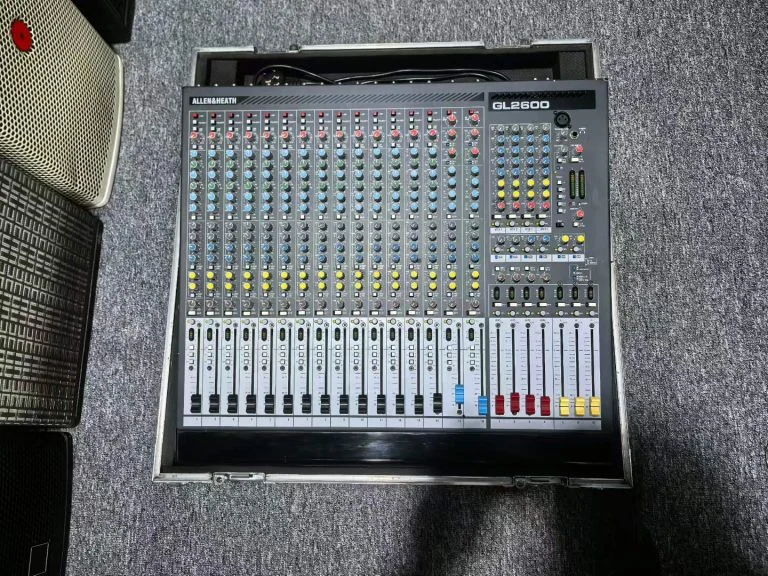
Small clubs, churches and rehearsal rooms run by volunteers. A 16-24 channel analog desk with good preamps sounds fine, survives 15 years, and any local tech can fix a fader for USD 40. You also keep physical knobs per channel, which is faster for people who mix with their eyes closed. The cost is that you cannot recall anything, so every show starts from zero.
What kills the deal on a used console?
- No demo. A console that cannot be powered on for a video call is a box of parts.
- Missing show files or firmware. Rare models with no surviving firmware are a trap.
- Fixed output card missing. On modular desks, a missing card can cost USD 300-600.
- Sticky faders. Cleanable, but 32 faders is two hours of work.
How long will a used desk stay supported?
Realistically 8-12 years from now for the big brands, less for boutique models. Support matters most in firmware and parts, not in software. A desk with a dead card slot and no card on the used market is finished regardless of how well it powers on. Before paying, check whether the output cards you need are still listed for sale at any price.
Does a used digital desk need a laptop?
Not to run, but you want one for backups. Show files and firmware updates live on a laptop or USB stick. Build the habit of exporting the show file after every event. It takes 20 seconds and it is the difference between a five-minute recovery and a cancelled night.
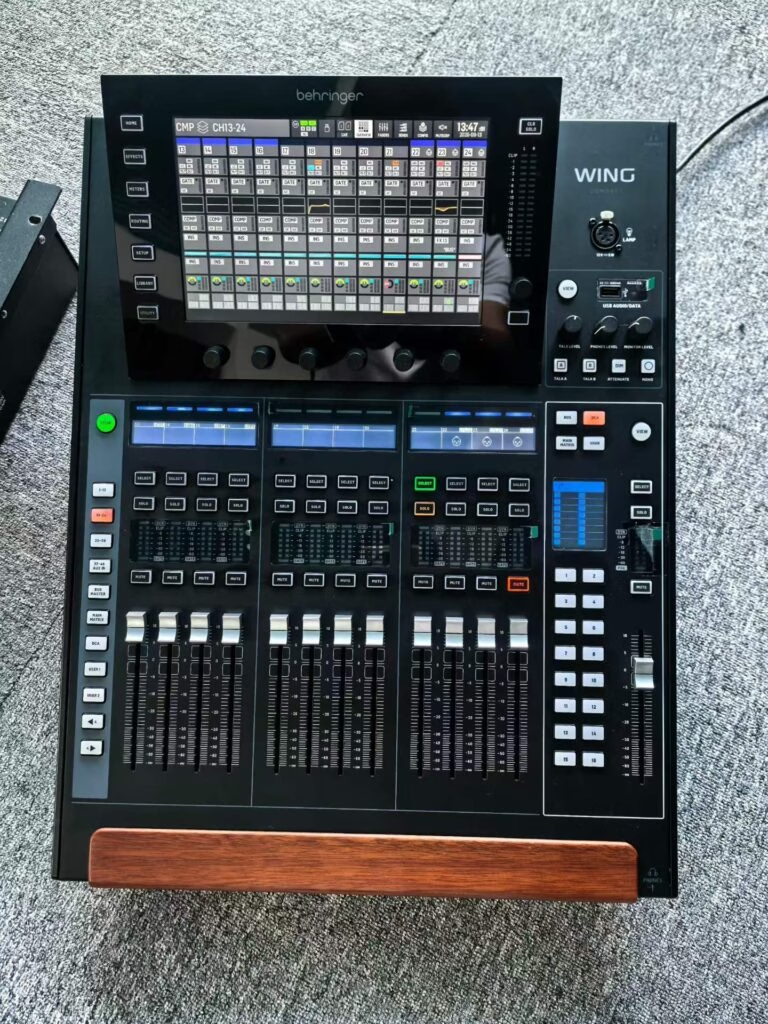
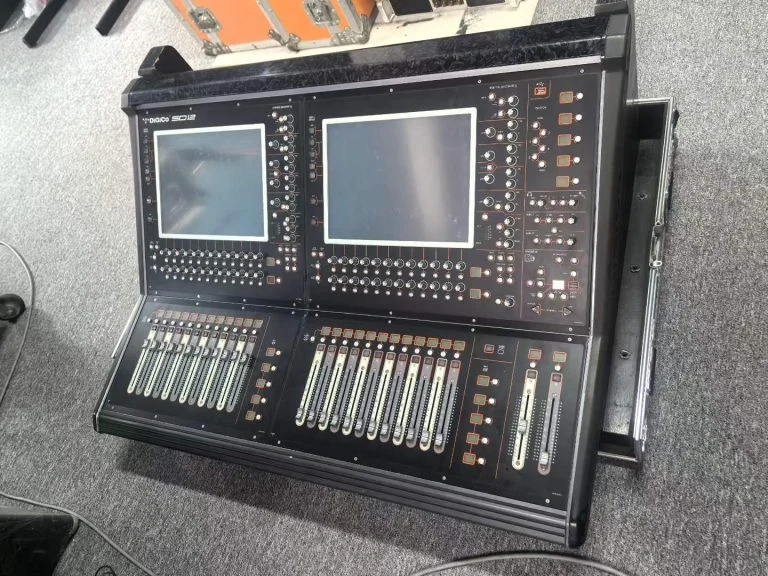
If you want to see what a mature used digital desk looks like in real listings, the shop has current stock with photographs of every connector.
Key Takeaways
- Digital wins on weight, setup time and recall. Analog wins on repairability.
- A used Yamaha DM1000 with case is a USD 1,500-2,200 buy in 2026.
- Analog desks cost USD 400-800 and can be fixed locally for USD 40.
- Never buy a console you have not seen powered on.
- Export the show file after every gig. No exceptions.