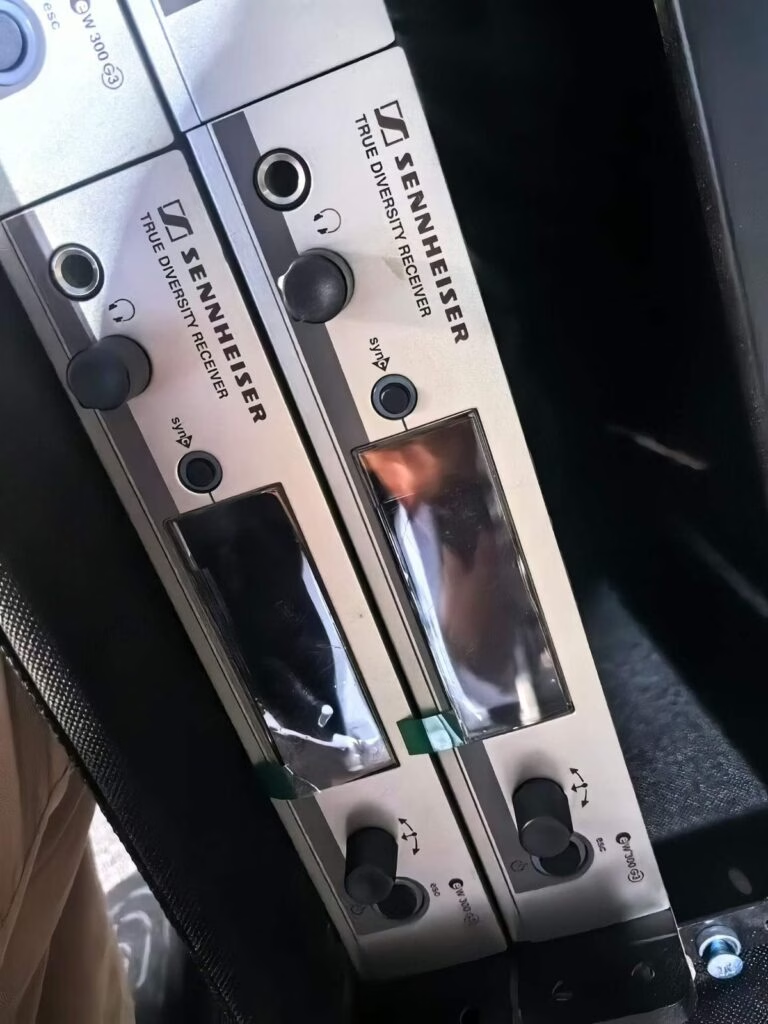
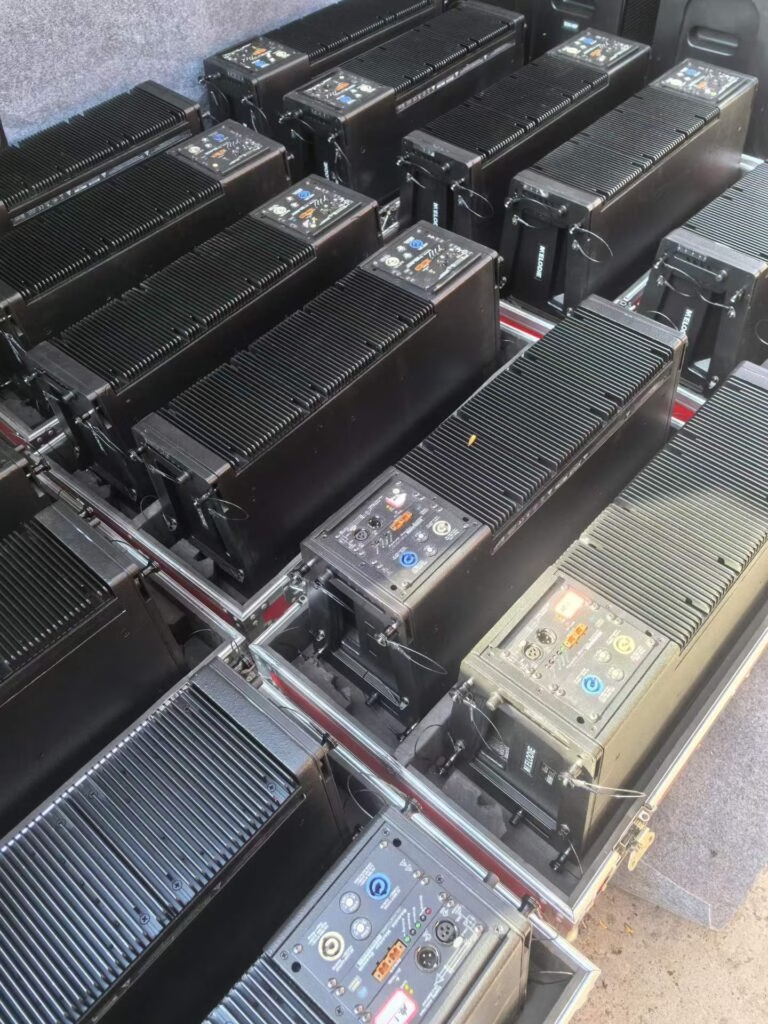
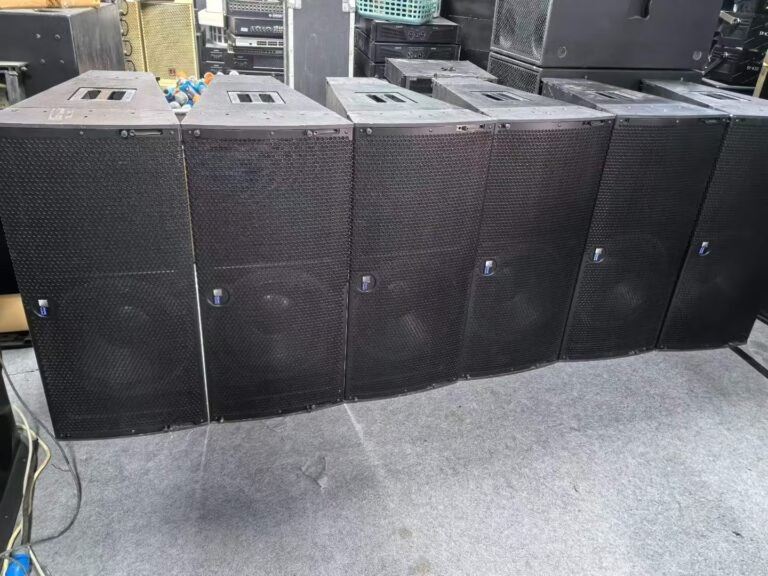
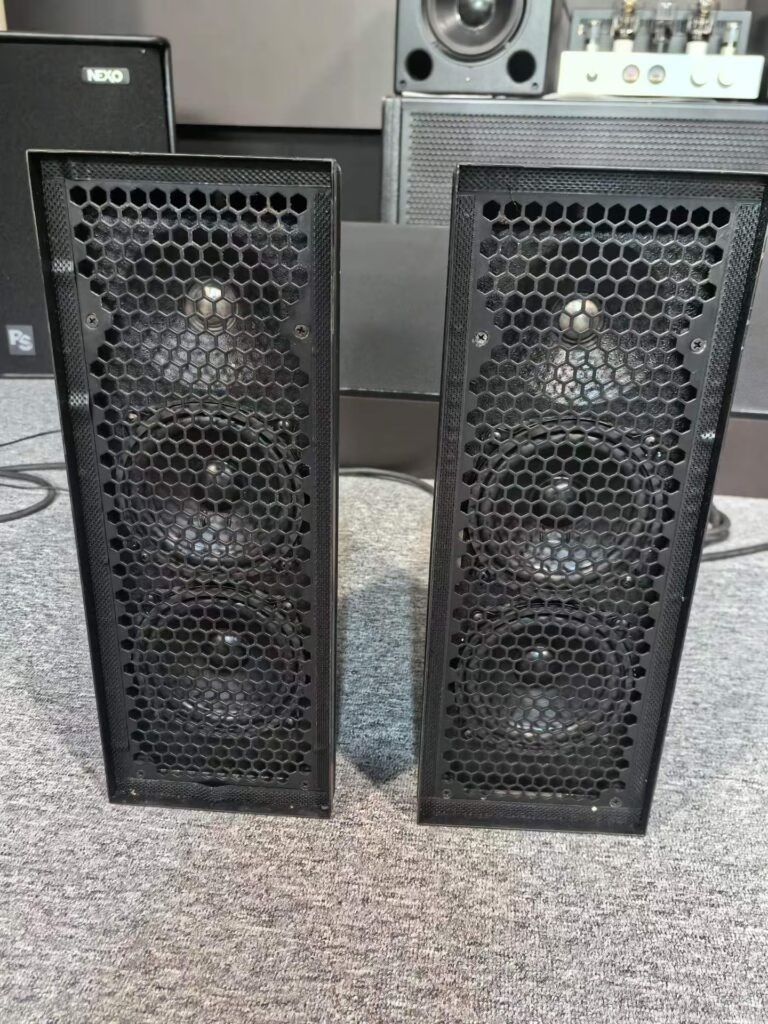
Usually no. Look at the rear label first. If it reads “100-240V, 50/60Hz” you only need a plug adapter, $5 to $15. If it reads a single figure like “120V” or “230V”, you need a transformer sized at 1.5 to 2 times the amp’s rated draw.
Where do you find the voltage rating?
On the back panel, near the IEC inlet, or under a small cover marked with a selector switch. Some amplifiers – notably older Crown and QSC models – have a slide switch between 115V and 230V. On others the voltage is hard-wired and must be changed by a technician.
Ask the seller for a clear photo of that label before you pay. This is also the question that decides whether a used gear listing is even workable for your country.
How big a transformer do you actually need?
Take the amp’s rated power draw, not its output power. A 1,000 W class-D amplifier might draw only 400 W at typical program levels but 1,200 W on peaks. Size the transformer at 1.5 times the peak draw, and never at the audio output rating.
| Gear | Typical draw | Transformer size | Rough cost |
|---|---|---|---|
| Powered speaker (1 kW class D) | 300 – 600 W | 1,000 VA | $120 – $200 |
| Analog power amp | 800 – 1,500 W | 2,000 – 3,000 VA | $250 – $450 |
| Digital console | 80 – 150 W | 300 VA | $60 – $110 |
| DJ controller | 20 – 50 W | 100 VA | $30 – $60 |
Why do cheap converters cause hum?
Cheap units use autotransformers with no isolation, so mains noise rides straight into the audio path. You hear a 50 or 60 Hz buzz that disappears when the amp runs on native voltage. A proper isolating transformer with a grounded secondary costs more but kills the hum.
Does the plug shape matter for shipping?
Yes, and not only for convenience. UK type G, EU Schuko, US type B and AU type I are not interchangeable. Buyers in Germany and France usually need Schuko; UK buyers need the fused three-pin. Sellers who include the original IEC cable save you nothing if the wall plug is wrong, since you will swap the cable anyway.
How does this affect selling old gear?
If you are asking how to sell old audio equipment, the voltage label is a selling point. Gear marked 100-240V sells to any country in one listing. Single-voltage gear needs separate listings or an included transformer, and that drags the price down 10-20%.
Most gear we export is dual voltage. You can check the labels on our used Yamaha DM1000 console or our self-powered K-array KF12 speakers – both run on 100-240V and ship with the correct IEC cable for your region.
Key Takeaways
- Dual-voltage gear (100-240V) needs only a $5-$15 plug adapter.
- Size any transformer at 1.5x the peak power draw, not the audio output rating.
- Isolating transformers cost more but eliminate mains hum from cheap units.
- Single-voltage gear sells 10-20% lower and needs a country-specific listing.