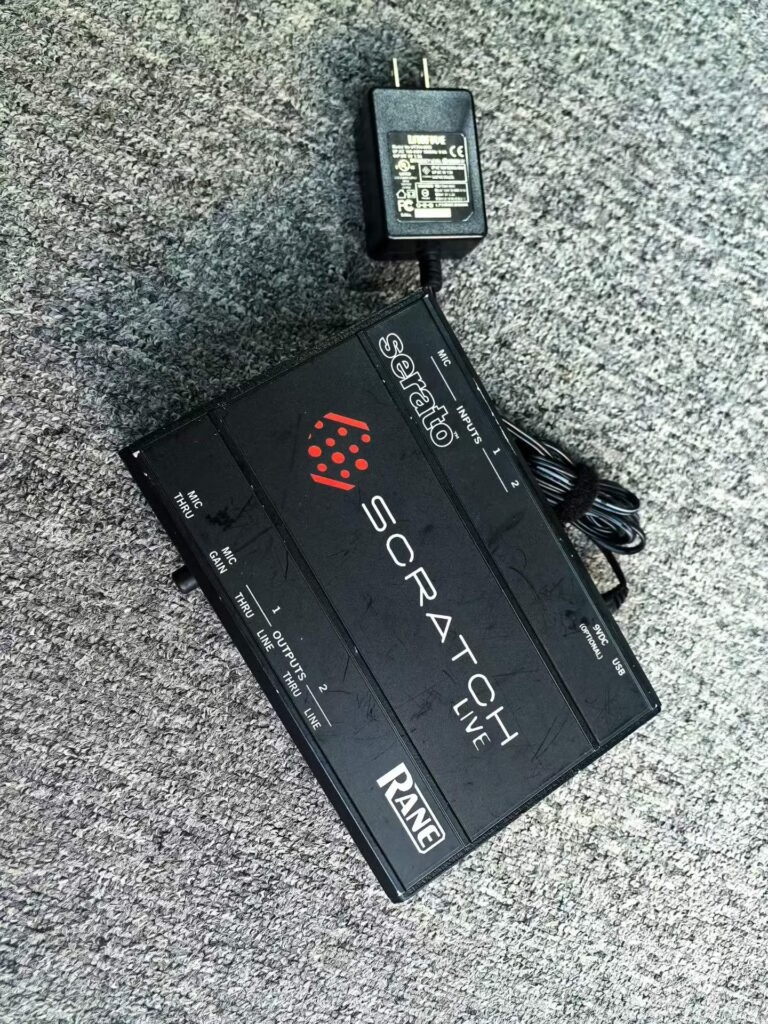
Test the crossfader first, then the platters, then every button. Those three cover 80% of what goes wrong on a used DJ setup. A worn crossfader costs USD 40-90 to replace; a dead platter motor usually means the unit is finished, because motor parts for discontinued decks are not made any more.
Most used DJ gear gets sold when a venue upgrades its booth, which is good news. It also means the gear was used hard five nights a week for years, so wear is not cosmetic.
What is the right order of checks?
- Crossfader — sweep it slowly and listen for cuts or dead spots.
- Platter torque — spin each platter by hand, then stop it; it should resist evenly.
- Cue and play buttons — press each 20 times, feel for mushy travel.
- USB and card slots — plug in a stick and load two tracks.
- Phono inputs — check for hum with nothing connected.
- Output jacks — RCA and XLR, wiggle both while monitoring.
Which failures are cheap to fix and which are terminal?
| Failure | Repair cost | Verdict |
|---|---|---|
| Crossfader wear | USD 40-90 | Buy it, budget for the part |
| Cue button | USD 15-40 | Easy fix |
| RCA jack | USD 20-50 | Easy fix |
| USB port | USD 60-150 | Board-level work |
| Platter motor | USD 250-500 or scrap | Walk away on discontinued models |
| Jog wheel sensor | USD 120-250 | Depends on parts supply |
How much should used DJ gear cost in 2026?
A used 4-channel controller like a DDJ-1000 runs USD 650-850 against USD 1,299 new. A pair of used CDJ-2000NXS2 decks and a DJM-900 mixer runs USD 4,500-6,500 for the set, which is roughly half of new pricing before the model was discontinued.
Controllers lose value faster than decks. Software moves on and a controller that needs a specific driver version can become a paperweight within five years. Media players hold up better because they play files, not drivers.
Is a controller or a full deck setup the better used buy?
Controller, if you play bars and private events and carry your own gear. Decks, if you play clubs where the booth is already wired and you want to plug into a house mixer.
One hard rule: never buy a used controller without plugging in your own laptop and testing it. Driver problems only show up on your machine, and a seller’s demo laptop proves nothing about yours.
What about the sound side?
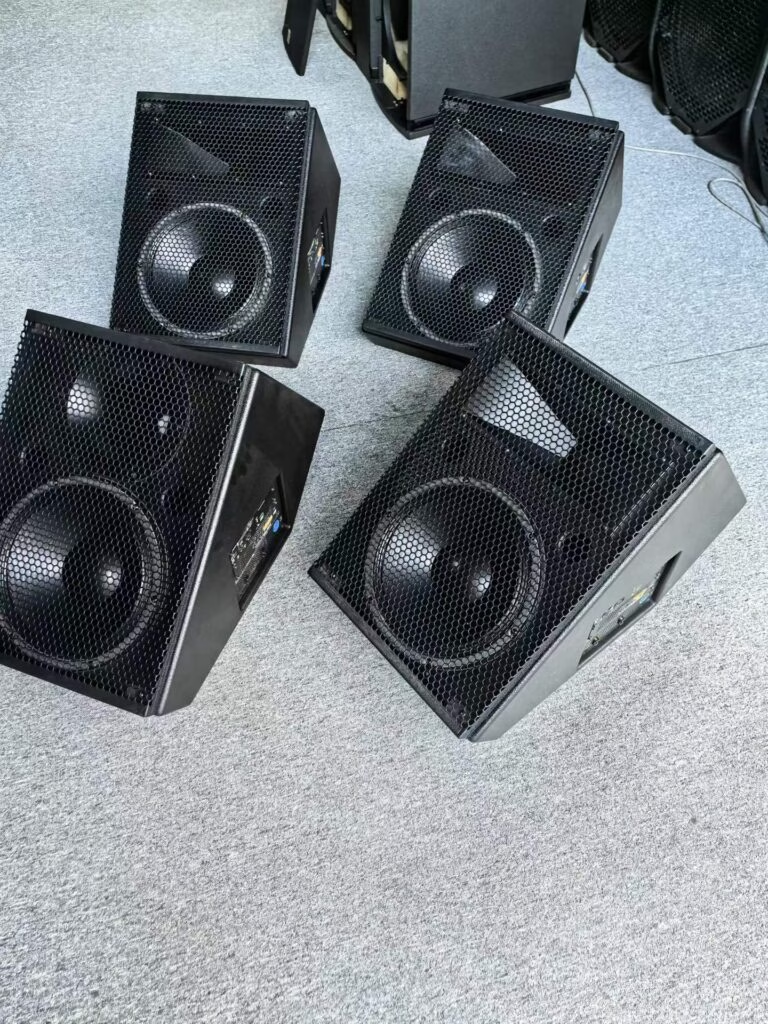
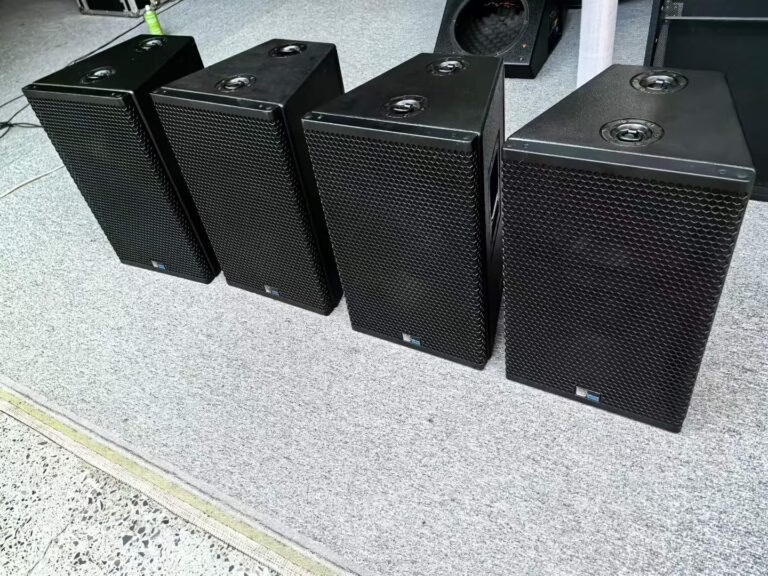
DJ gear gets tested in isolation and then fails on the PA. Bring a reference track you know well, one with a clear kick and a lot of top-end detail, and listen on the actual speakers you will use. Booth sound is very different from floor sound.
Our DJ gear category lists what is in stock, and if you are pairing decks with new speakers, the K-array KF12 is a fair reference point for a small room.
Key Takeaways
- Check the crossfader, platters and buttons in that order.
- A crossfader is a USD 40-90 part; a platter motor can scrap the unit.
- Used DDJ-1000 controllers run USD 650-850, about half of new.
- Controllers lose value faster than media players because of software drivers.
- Always test a used controller with your own laptop.