What do you need to run the test?
An interface or mixer with phantom power, headphones, a known-good mic for comparison, and a phone to record. No software needed. Set both mics at the same gain and speak the same sentence from the same distance. If the used mic needs 6-10 dB more gain for the same level, the capsule is tired.
How do you check for rattle and handling noise?
Record with headphones on and tap the body lightly with a fingernail from the connector to the grille. A clean dynamic should make a dull thud. A rattle or a sharp click means a loose capsule mount, a cracked PCB or debris inside. Then shake it gently next to your ear. Anything that moves inside is a fault.
Handling noise matters most for handheld vocal use. A mic that picks up every finger movement will be unusable on a stage, even if it sounds fine on a stand.
What should you look at up close?
- Grille. Dents are cosmetic until they touch the diaphragm. A crushed grille on a condenser is a red flag.
- Capsule. Shine a light through the mesh. Gold sputtering should be even; flakes or grey patches mean moisture damage.
- XLR pins. Look for corrosion, bent pins and a wobbly insert. A loose connector causes intermittent dropouts.
- Threads. Stripped threads on the body mean it has been opened and reassembled badly.
How much difference does the price make?
| Type | New price | Used band | Risk level |
|---|---|---|---|
| Dynamic handheld (SM58-class) | $110 | $45-70 | Low |
| Large-diaphragm condenser | $400 | $150-250 | High |
| Small-diaphragm pair | $700 | $300-450 | Medium |
| Clip-on lavalier | $300 | $90-160 | High (cable) |
At $45-70 a used handheld dynamic is close to disposable. At $250 a used condenser is a real decision, and the test above is worth doing properly.
When is it better to buy new?
Lavaliers and headset mics, because the cable fails before the capsule does and a replacement cable is often half the used price. Also any condenser whose grille is dented. And if you need matched pairs for drum overheads, buying new matched pairs removes an entire class of problems.
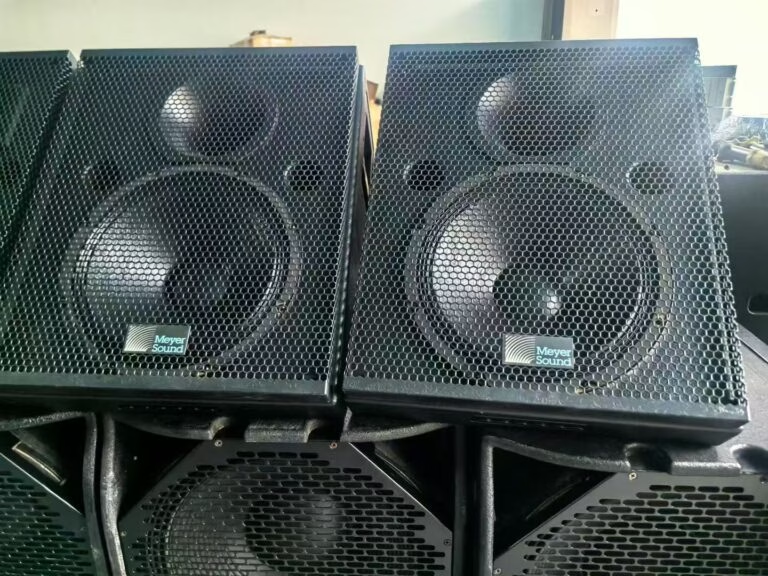
If you are kitting out a small hall, microphones are usually the last thing to upgrade. A better use of budget is a pair of speakers you can trust, like this self-powered K-array KF12, because room sound dominates what an audience hears far more than a mic upgrade does.
How does it compare with newer options?
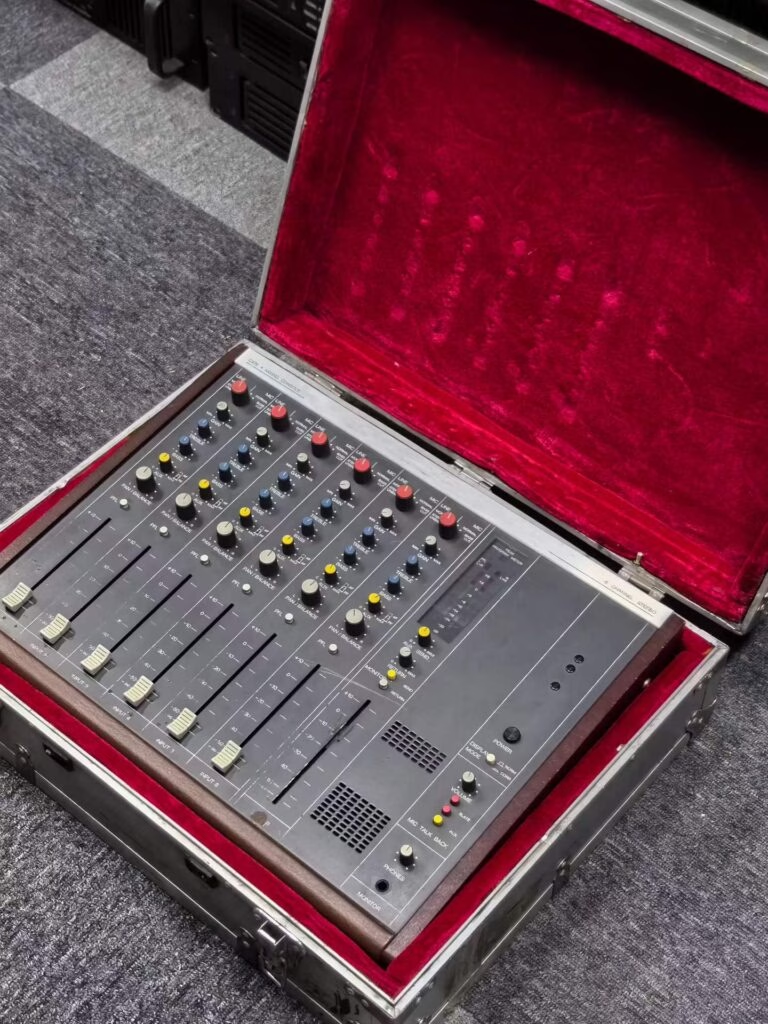
Against a used X32-class desk at $800-1,200, the DM1000 gives you more physical faders per dollar and far worse connectivity. Against a new 16-channel digital desk at $2,200, it costs less than half and carries 48 channels, but you give up warranty, USB recording and any hope of support. It fits one niche: fixed installs that need more inputs than buttons.
Parts are the honest worry. Yamaha stopped building the DM1000 years ago, so a failure becomes a scavenging exercise. Two or three of these desks in the same city can keep each other alive through donor units. A single desk has no safety net, which is why $1,200 is a fair price for a rental house that already owns three and a poor price for someone buying their first.
Key Takeaways
- Compare gain against a known-good mic; 6-10 dB extra needed means a tired capsule.
- Tap and shake the body while recording to catch rattle and loose mounts.
- Check grille dents, capsule sputtering and XLR pin corrosion up close.
- Buy lavaliers and dented condensers new, not used.
Test a used microphone in three passes: compare its output level against a microphone you already trust, sweep the body for rattle and handling noise while recording, then inspect the grille, capsule and XLR pins. Ten minutes of this catches the failing capsule, loose connector and dented diaphragm that a photo will never show.
Most used dynamic mics are safe buys. Condensers are where the money goes wrong, because a dropped condenser can still produce sound while sounding thin.
What do you need to run the test?
An interface or mixer with phantom power, headphones, a known-good mic for comparison, and a phone to record. No software needed. Set both mics at the same gain and speak the same sentence from the same distance. If the used mic needs 6-10 dB more gain for the same level, the capsule is tired.
How do you check for rattle and handling noise?
Record with headphones on and tap the body lightly with a fingernail from the connector to the grille. A clean dynamic should make a dull thud. A rattle or a sharp click means a loose capsule mount, a cracked PCB or debris inside. Then shake it gently next to your ear. Anything that moves inside is a fault.
Handling noise matters most for handheld vocal use. A mic that picks up every finger movement will be unusable on a stage, even if it sounds fine on a stand.
What should you look at up close?
- Grille. Dents are cosmetic until they touch the diaphragm. A crushed grille on a condenser is a red flag.
- Capsule. Shine a light through the mesh. Gold sputtering should be even; flakes or grey patches mean moisture damage.
- XLR pins. Look for corrosion, bent pins and a wobbly insert. A loose connector causes intermittent dropouts.
- Threads. Stripped threads on the body mean it has been opened and reassembled badly.
How much difference does the price make?
| Type | New price | Used band | Risk level |
|---|---|---|---|
| Dynamic handheld (SM58-class) | $110 | $45-70 | Low |
| Large-diaphragm condenser | $400 | $150-250 | High |
| Small-diaphragm pair | $700 | $300-450 | Medium |
| Clip-on lavalier | $300 | $90-160 | High (cable) |
At $45-70 a used handheld dynamic is close to disposable. At $250 a used condenser is a real decision, and the test above is worth doing properly.
When is it better to buy new?
Lavaliers and headset mics, because the cable fails before the capsule does and a replacement cable is often half the used price. Also any condenser whose grille is dented. And if you need matched pairs for drum overheads, buying new matched pairs removes an entire class of problems.
If you are kitting out a small hall, microphones are usually the last thing to upgrade. A better use of budget is a pair of speakers you can trust, like this self-powered K-array KF12, because room sound dominates what an audience hears far more than a mic upgrade does.
How does it compare with newer options?
Against a used X32-class desk at $800-1,200, the DM1000 gives you more physical faders per dollar and far worse connectivity. Against a new 16-channel digital desk at $2,200, it costs less than half and carries 48 channels, but you give up warranty, USB recording and any hope of support. It fits one niche: fixed installs that need more inputs than buttons.
Parts are the honest worry. Yamaha stopped building the DM1000 years ago, so a failure becomes a scavenging exercise. Two or three of these desks in the same city can keep each other alive through donor units. A single desk has no safety net, which is why $1,200 is a fair price for a rental house that already owns three and a poor price for someone buying their first.
Key Takeaways
- Compare gain against a known-good mic; 6-10 dB extra needed means a tired capsule.
- Tap and shake the body while recording to catch rattle and loose mounts.
- Check grille dents, capsule sputtering and XLR pin corrosion up close.
- Buy lavaliers and dented condensers new, not used.