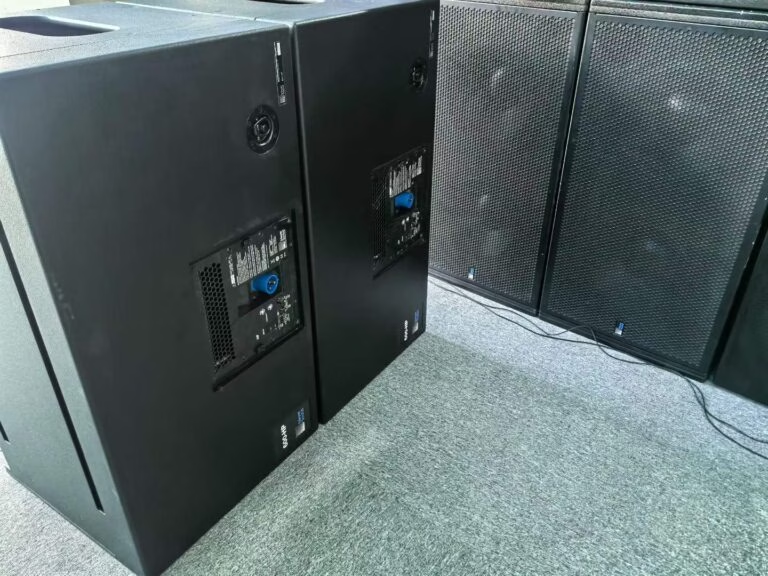
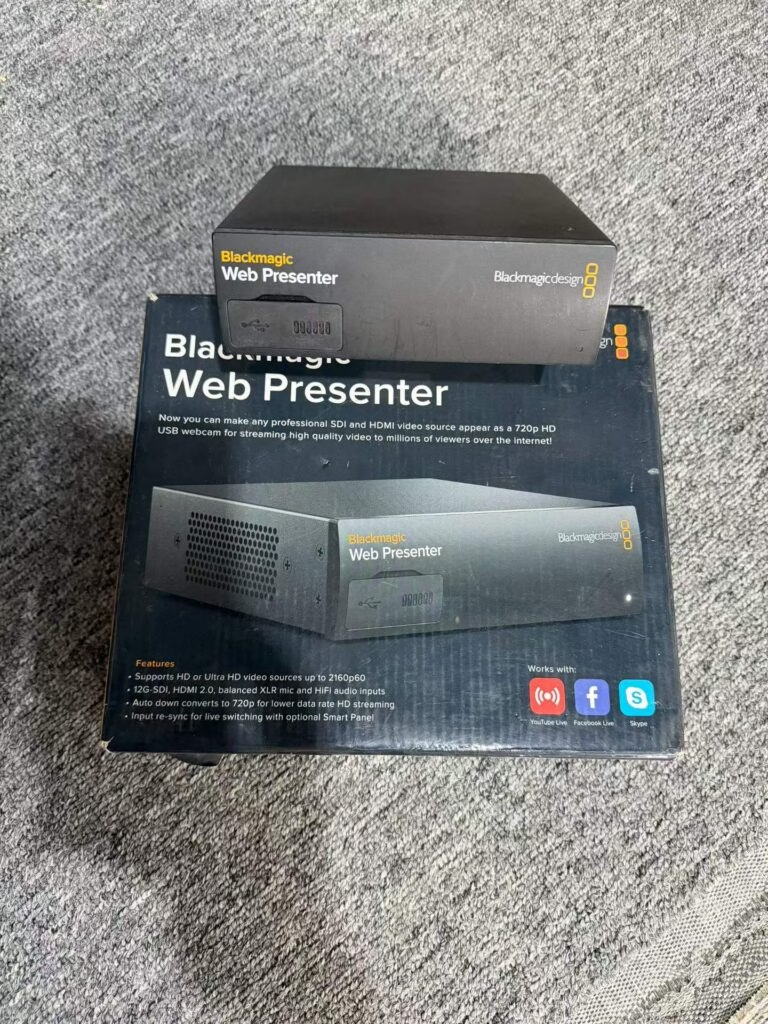
Yamaha for consoles, Shure for microphones, JBL and K-array for speakers, Crown for amps. That is the short answer. The reason is not sound quality — it is parts. A brand that still stocks fader assemblies and diaphragm kits in 2026 is a brand you can keep running for another decade.
Reliability in used gear is not about what breaks least. Everything breaks. It is about what can still be fixed.
Which brand wins by gear category?
| Category | Best used pick | Why it lasts |
|---|---|---|
| Digital consoles | Yamaha (DM1000, LS9, 01V96) | Service manuals public, fader packs still sold |
| Powered speakers | K-array, JBL SRX | Module-level repair, sturdy cabinets |
| Microphones | Shure SM58, Beta 58A | Cartridge swap in 5 minutes, $50 part |
| Amps | Crown, QSC | Simple class AB/HD circuits, capacitors available |
| DJ gear | Pioneer CDJ-2000NXS2 | Jog and laser assemblies still in stock |
Why does parts availability beat spec sheets?
A 2006 Yamaha DM1000 has 48 channels and roughly 17 motorised faders. Each fader assembly is a wear item that dies between year 8 and year 12. If you can buy the part for $150 and swap it in an hour, the console runs to 2030. If the part is discontinued, the console is a 40kg paperweight regardless of how good it sounded.
This is why we push buyers toward models with public service manuals. When you look at a Yamaha DM1000 digital mixing console, the question is not “is it good” — it is “can I still fix it”.
Which brands should you avoid used?
Anything with a sealed DSP module and no parts channel. That includes most budget powered speakers from 2010-2015, generic Chinese PA boxes sold under house brands, and any console whose firmware was last updated before 2015 with no community support. Also skip brands that changed ownership and dropped legacy support — you will find no schematic anywhere.
Cheap is not the problem. Cheap and unfixable is.
Where is the best place to sell audio equipment you no longer need?
Short answer: to a buyer who ships, not to a local buyer who haggles. Consignment through a dealer gets you 60-70% of market. Direct export sale gets you 75-90% but you handle testing and crating. Local classifieds gets you the fastest cash and the worst price.
Sellers often ask us this after buying. Our answer is consistent: photograph everything, keep the flight case, and sell in lots of 4 or more. A single unit is a $200 freight problem. Twelve units in one crate is a $300 freight problem spread across twelve boxes.
Does brand reliability actually change with age?
Yes, and unevenly. Mechanical parts (faders, jacks, pots) degrade on a fairly predictable curve. Capacitors degrade based on heat and hours. Digital boards either fail early, within 18 months, or last 15 years. So a 10-year-old digital console with clean caps is often safer than a 3-year-old one that lived in a hot van.
Ask where the gear lived. Warehouse is fine. Touring van is fine if it had a case. Outdoor festival duty for 6 seasons is where the damage lives.
Key Takeaways
- Yamaha consoles, Shure mics, JBL/K-array speakers, Crown/QSC amps lead on repairability.
- Parts availability matters more than specs in used gear.
- Budget powered speakers with sealed DSP modules and no parts channel are the main avoid list.
- Selling in lots of 4+ cuts freight cost per unit sharply.
- Ask where the gear lived — outdoor touring duty is where failures start.