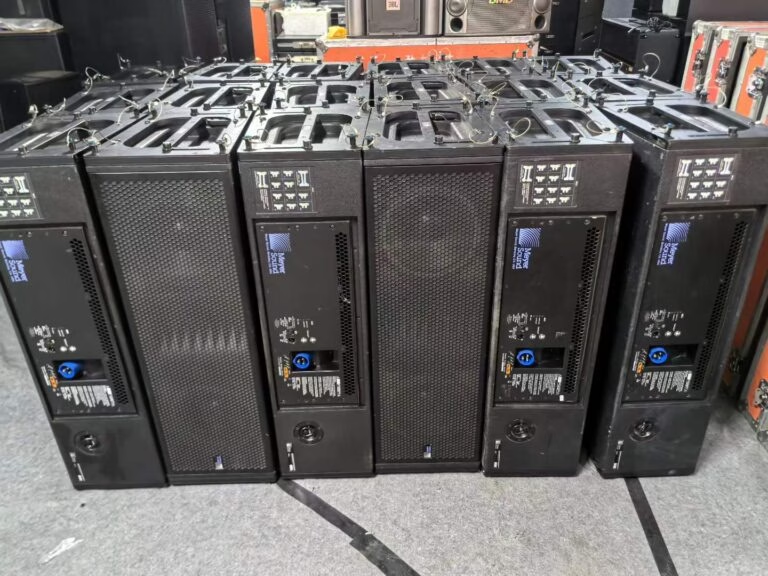
Short answer: a controller and a headphone bag cost $75-$300 as one extra checked bag. A full two-bag DJ setup with a battle mixer and two turntables costs $300-$900 in excess fees, which is usually more than the freight to ship the same gear by sea. Fly with what fits easily; ship the rest.
What do airlines actually accept as DJ gear?
Checked baggage rules apply to weight and size, not to what the object is. A standard allowance is 23 kg and 158 cm linear dimensions (length plus width plus height). Most 2-channel controllers in a soft case fit. A 4-channel club mixer in a flight case usually exceeds 158 cm and counts as oversized, which airlines price separately at $100-$250 per direction.
Batteries are the other limit. Lithium packs in portable controllers must travel in the cabin, not the hold, and power banks are capped at 100 Wh on most airlines. Check the rating before you pack a battery-powered setup.
What do excess fees actually look like?
| Bag situation | Typical fee (one way) | Extra 23 kg bag | $75-$300 | Oversized item (158-203 cm) |
|---|---|---|---|---|
| $100-$250 | Overweight 23-32 kg | $70-$200 | Over 32 kg | Refused as baggage, air freight only |
| Sports/music equipment desk | $100-$400 |
Prices vary a lot by carrier and route. A budget airline on a short European hop can charge $90 for an extra bag; a long-haul full-service carrier on the same weight can charge $250. Round-trip that and a single mixer has cost you more than its used value.
How should you pack a mixer for the hold?
- Use a hard case, not a soft bag, and add foam between the case and the mixer.
- Remove or tape down all faders and knobs, and tape the crossfader in its centre position.
- Photograph the front panel before packing so you have a condition record.
- Tape a note with your name and mobile number on the outside; unlabelled gear gets delayed.
- Never check a turntable platter loose — remove it or pack it with the tonearm locked.
For turntables, a PA flight case with a lid is the only real option. A padded gig bag is fine for a controller and useless for a direct-drive deck.
When is shipping cheaper than flying?
Almost always for gear above 25 kg. Sea freight from China to Europe is roughly $95-$190 per cubic metre, which for a single console pallet works out to about $150 plus destination charges. That is cheaper than one excess bag, and it does not count against your luggage.
The catch is time. Sea freight takes 30-45 days, so if you need the gear for a specific date, flying is the only way. For a tour that starts next week, pay the fee. For a permanent move or a venue install, ship.
What about customs when you fly with used gear?
Carry an inventory with serial numbers and, if you plan to bring the gear home, a carnet or at least dated photos showing it was yours before you left. Some countries will charge import duty on gear that looks new and commercial. A bag of 20 used microphones looks commercial.
For a single controller and laptop, nobody asks. For a two-bag setup, a printed inventory with serials takes five minutes to prepare and has saved more than one DJ from a long conversation at the border.
There is also the insurance angle. Airline liability for checked baggage is capped by an international convention at roughly $1,700 per passenger on most routes, regardless of what your gear cost. A used setup worth $6,000 in two bags is mostly uninsured unless you buy extra cover at check-in, which typically costs $20-$60 and pays out against receipts. Keep the receipts for what you paid, not for what the gear cost new.
One more practical point: if you play abroad regularly, a small hard case measured to fit under the 158 cm limit is the single best purchase. Two of my friends travel with the same 2-channel mixer because the case is 152 cm and it never gets charged oversized. The mixer has changed three times; the case has not.
What is the practical answer?
Fly with the controller, the laptop and the headphones. Ship the heavy items or buy them at the destination. If you are setting up a club abroad, buying used stock locally or from an exporter and shipping it in a container is cheaper than flying three bags of gear four times a year. Our used sound equipment shop page lists stock with weights, so you can compare the freight against the airline fees before you commit.
Key Takeaways
- One extra 23 kg bag costs $75-$300 each way.
- Oversized music gear attracts $100-$250 per direction on top.
- Above 25 kg, sea freight is nearly always cheaper than flying.
- Remove turntable platters and lock tonearms before checking.
- Carry a serial-number inventory when flying with more than one bag.