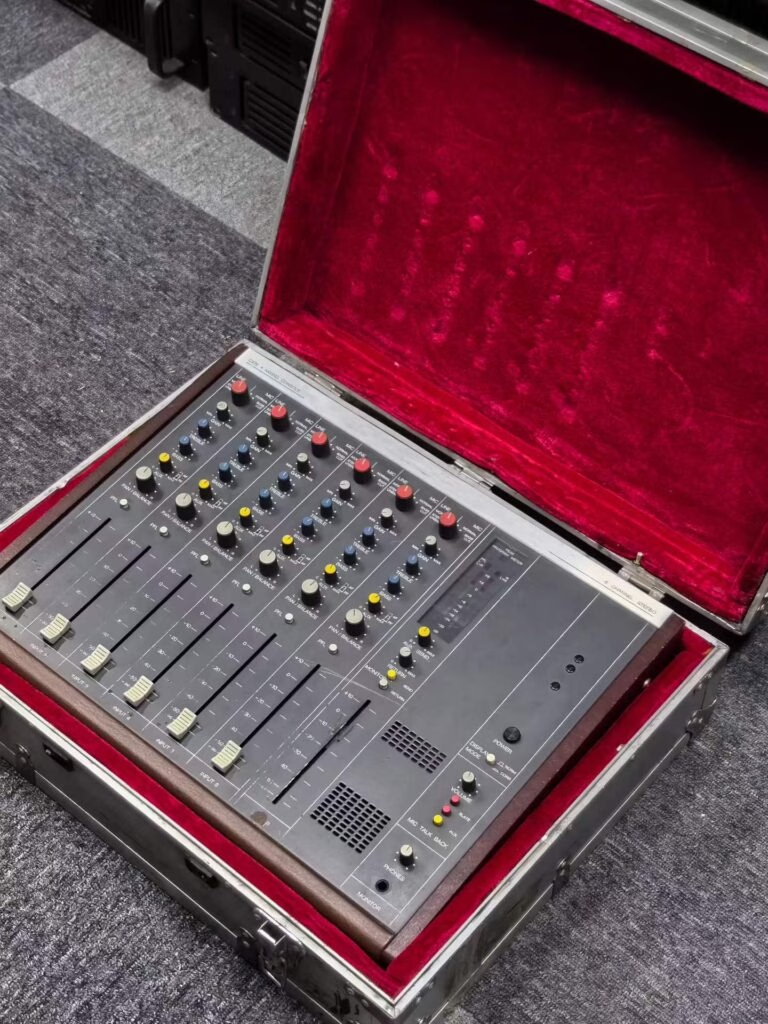
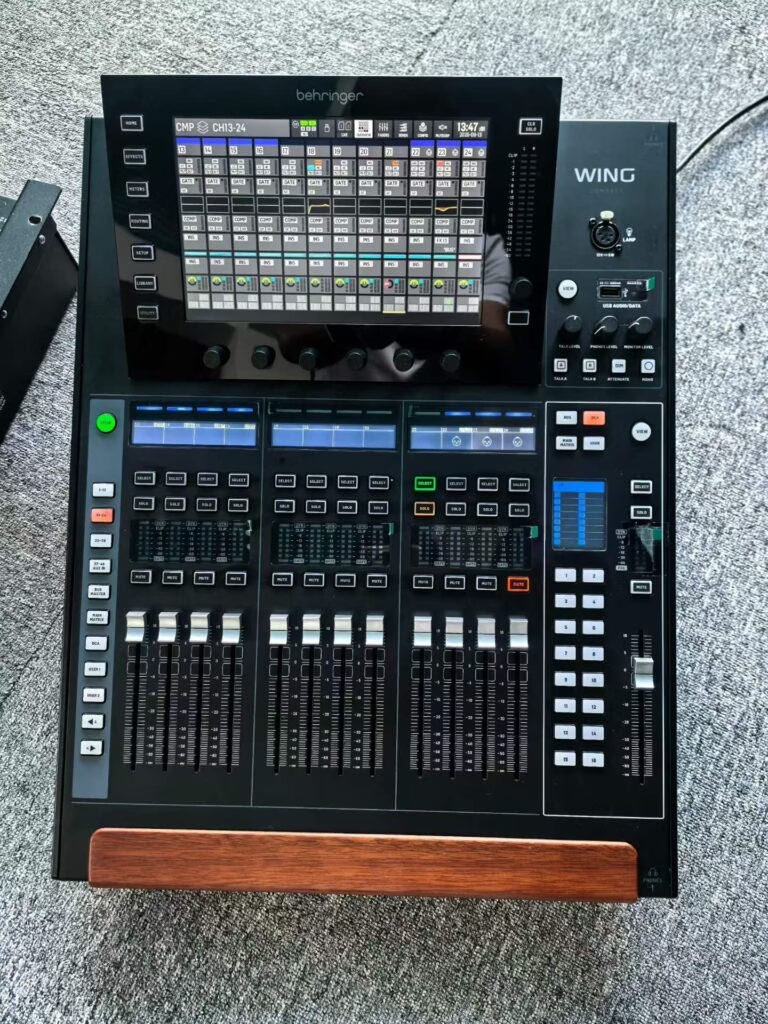
Short answer: sea freight LCL runs about $95-$190 per cubic metre from Shenzhen or Guangzhou to most African and Middle Eastern ports in 2026. A 20ft container costs $1,800-$4,200 and holds roughly 28 cubic metres. Air freight is $5-$9 per kg, which only makes sense for consoles, mics and small processors.
What does a container actually hold?
| Load type | Volume | Typical contents | Est. freight (LCL) | 20ft container |
|---|---|---|---|---|
| 28 m³ | 700-900 speakers, or 60-80 consoles | $1,800-$4,200 | 40ft container | 58 m³ |
| 1,500-1,900 speakers | $3,000-$6,500 | LCL 5 m³ | 5 m³ | 120-160 speakers |
| $500-$950 | LCL 1 m³ | 1 m³ | 20-30 speakers | $120-$220 |
| Air, 200 kg | 2 m³ | 4-6 consoles | $1,100-$1,800 |
Those numbers exclude destination charges. Port handling, customs brokerage and inland trucking add $250-$700 on a 20ft, and they are charged at the destination, not by the exporter. Ask for a door-to-door quote, not an FOB price, or the total will surprise you.
Why do quotes vary so much between forwarders?
Three reasons: whether the quote includes origin charges, whether it is a direct sailing or transshipment, and how much the freight forwarder marks up the line rate. A direct sailing from Nansha to Mombasa is often $300-$600 cheaper per 20ft than a transshipment routing through Colombo, and it arrives 8-14 days sooner.
Also ask about the free time at destination. Ports give 5-7 free days before demurrage, and a slow customs broker can burn through that in a week. Demurrage on a 20ft runs $25-$60 per day, which quietly becomes a $300 mistake.
What does a real example look like?
A recent 20ft shipment of 640 passive speakers and 12 mixers from Guangzhou to Lagos. Freight $2,400, origin charges $380, destination handling and clearing $520, inland trucking $280. Total $3,580 on a cargo value of about $19,000, which is 19% of the goods value. That is normal for speakers, which are bulky and cheap per kilogram.
By contrast, 6 digital consoles in one pallet by sea LCL cost $640 freight on a cargo value of $12,000, about 5%. The lesson: freight as a percentage of value is driven by volume, not by weight or by total spend.
What do people forget to include?
- Marine insurance, usually 0.3-0.6% of cargo value, but not optional on a container you cannot inspect.
- Export packing: plywood crates for speakers add $8-$15 per unit and prevent cabinet damage.
- Customs duty and VAT at destination, which vary from 5% to 35% depending on country and HS code.
- Testing and repacking at origin if the goods were bought loose.
Another habit worth building: photograph the crate before it leaves the factory and again on arrival. Damage claims without photos get rejected, and marine insurers want them within three days of delivery, not three weeks.
Currency and timing also move the number. Container rates in early 2026 sat well below the 2022 peak, but they climb ahead of major holidays when every exporter wants the same sailing. Booking three extra weeks early in November saved one of my buyers $700 on a 40ft to Dar es Salaam, simply by avoiding the pre-Lunar New Year rush. If your calendar is flexible, ship in February or March — that is when rates are softest and space is available.
The packing point matters more than it seems. Speakers shipped loose in cardboard arrive with crushed corners and shifted magnets. A crated pallet costs more and protects the goods; on a $19,000 shipment the crate cost was $1,300 and it saved two damaged cabinets, so it paid for itself.
Is air freight ever worth it?
For consoles, sometimes. A single DM1000 is about 22 kg in its flight case; air at $7/kg is $154, against roughly $120 by sea LCL plus two months of waiting. For anything bulky — speakers, subs, amp racks — air freight is 4-6x the sea cost and never makes sense.
If you need goods for a specific event date, book sea freight 8-10 weeks ahead. That is the single biggest cost saver, because last-minute air freight is where budgets die. Our used sound equipment shop page lists stock that is ready to pack, and we can quote door-to-door freight per destination on request.
Key Takeaways
- Sea LCL from China runs $95-$190 per cubic metre in 2026.
- A 20ft container is $1,800-$4,200 for about 28 m³.
- Destination charges add $250-$700; always ask for door-to-door pricing.
- Freight as a share of value is set by volume, not by spend.
- Air freight only pays for consoles and small items, at $5-$9 per kg.