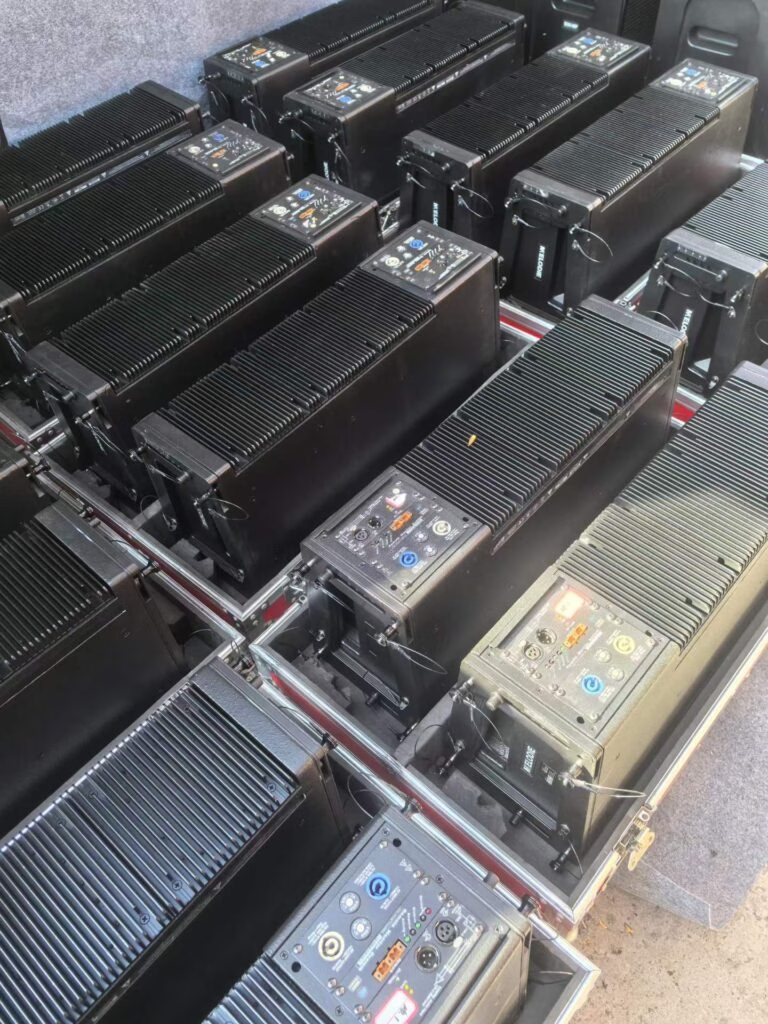
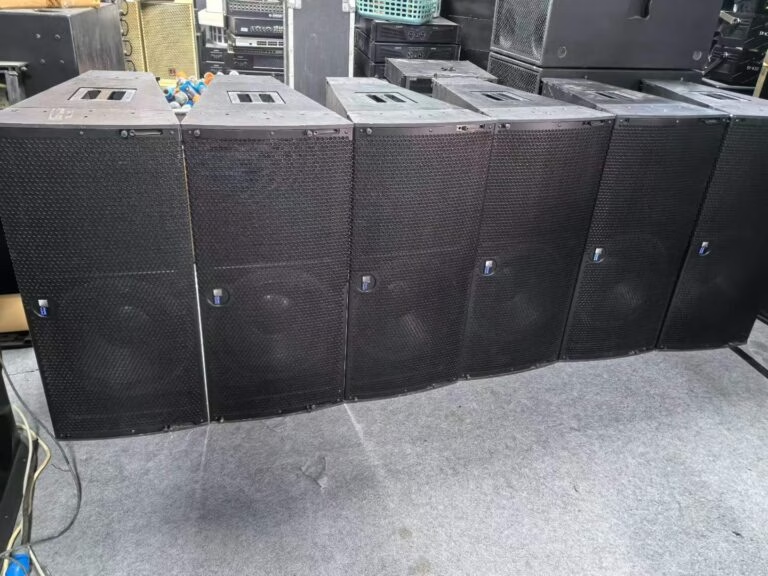
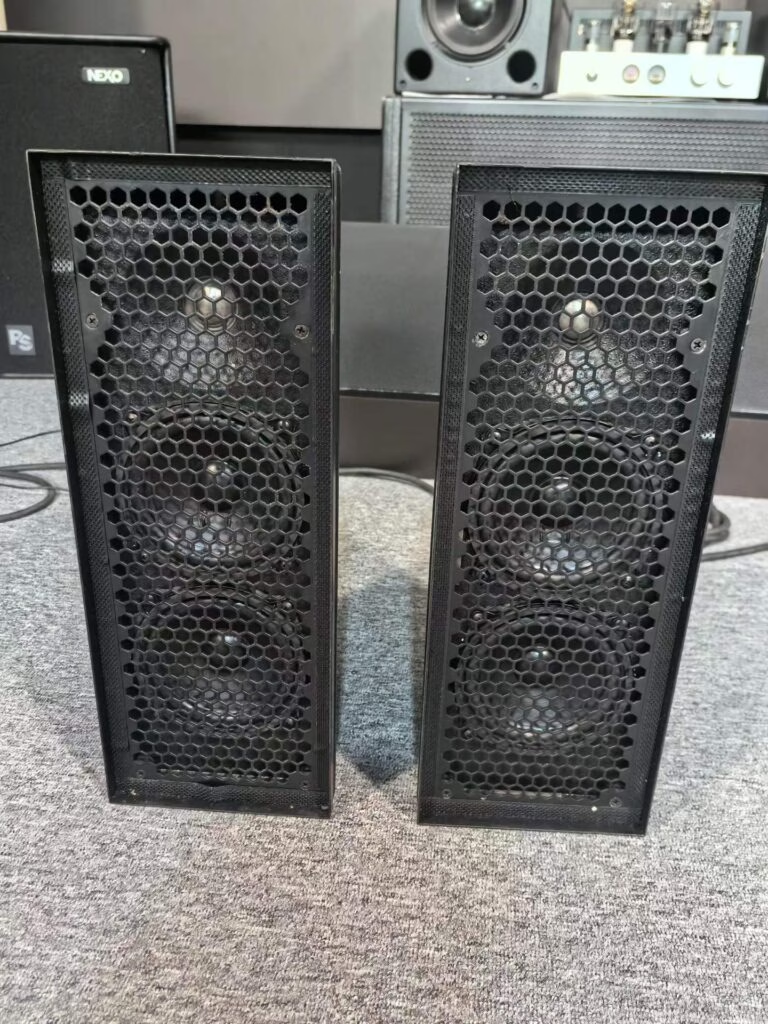
Short answer: for most buyers, no. For a technician with a bench, sometimes very much yes. As-Is lots price at 50–70% below tested equivalents because the seller has not powered the unit up. Whether that discount is fair depends entirely on the range of faults it might hide.
What faults hide in As-Is lots?
| Fault | Repair cost | Common? |
|---|---|---|
| Blown fuse or failed PSU | $30–90 | Very |
| Failed fader on console | $40–60 per fader | Common |
| Dead input channel board | $80–200 | Common |
| Blown compression driver diaphragm | $120–250 | Common on speakers |
| Failed DSP or main board | $400–900 | Less common, fatal |
| Water damage / corrosion | Usually beyond repair | Occasional |
Roughly 70% of As-Is units have a fault in the cheap half of that table. That is why the 50–70% discount works out for technicians. The 30% case is what keeps everyone else away.
What should a technician ask before buying?
- “Does it power on at all?” Even a “no lights” answer narrows it to the PSU.
- “Is the fault known or unknown?” Known faults price better for you — the seller has already discounted for it.
- “Bulk or single?” Ten As-Is units in one lot spreads risk; one unit does not.
Where does the maths break down?
Freight. An As-Is console at $350 plus $250 freight is $600 sunk before you know if it works. If the DSP card is gone, you have $600 of scrap. Compare that with a tested used Yamaha DM1000 at roughly $1,300 with a flight case — the $700 gap is your entire margin, and you have not counted repair labour yet.
Where As-Is really pays is parts. If you service the same model regularly, an As-Is unit at 30% of value is a fader and PSU donor. That is a working capital decision, not a gear decision.
What about As-Is speakers?
Speakers are the friendliest As-Is category, because the failure modes are visible and cheap. Pull the grille, push the cone gently, and listen for scraping. A cone that moves freely with no rub is likely just a dead crossover capacitor — a $15 part. Our K-array KF12 units are tested, but the principle holds: on passive speakers, an As-Is discount over 40% is usually worth taking.
When should you just pay for tested?
Any time the unit ships internationally and you cannot afford a second shipment. Or when the model is old enough that spares are gone — a failed main board on a 2008-era digital desk is a dead end regardless of price. For a first purchase from an unfamiliar seller, tested is the cheaper option almost every time.
Key Takeaways
- As-Is sells 50–70% below tested; about 70% of faults are in the cheap repair range.
- Technicians with a bench capture the discount; everyone else usually loses money.
- Speaker As-Is is safer than console As-Is — visible failures, cheap parts.
- Add freight before deciding; a $250 crate fee can wipe out the whole discount.