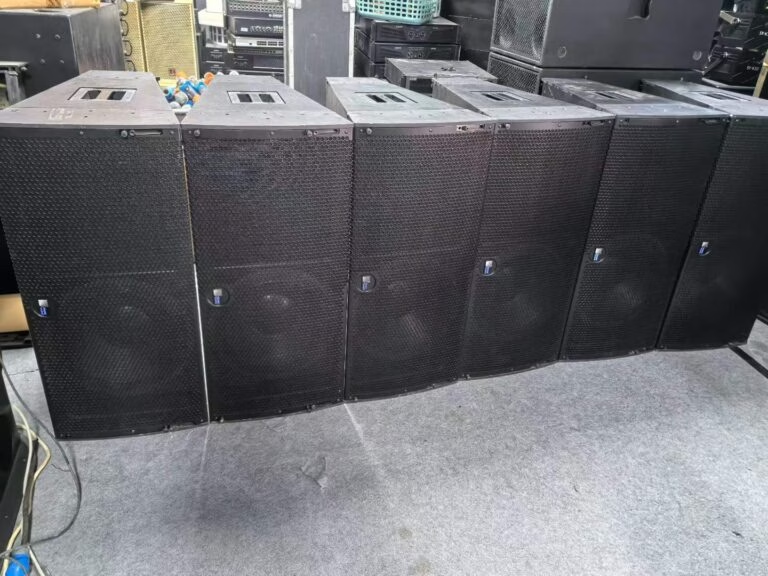
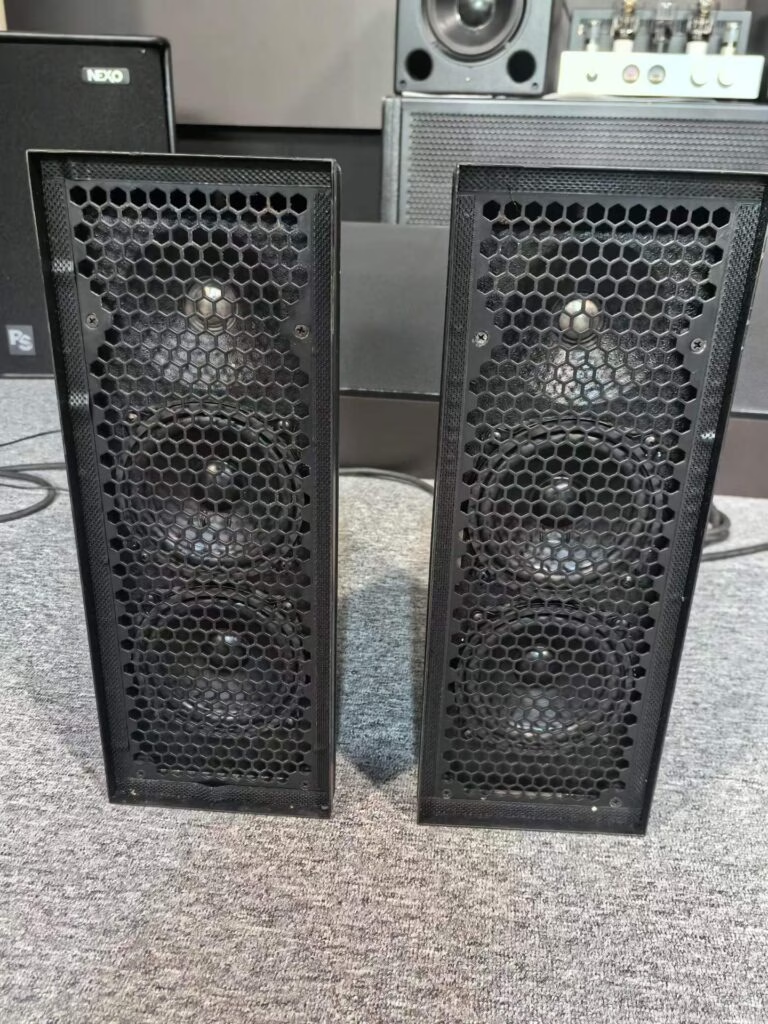
These labels mean whatever the seller wants them to mean — there is no industry standard. As a buyer, treat “Like New” as under a year of light use with no repairs, and “Excellent” as fully working with small cosmetic marks. Ask for photos before you trust either.
Below is the working definition I use when buying, and the questions that expose a seller stretching the truth.
What should each grade actually mean?
| Grade | Expected condition | Fair price vs new |
|---|---|---|
| Like New | Under 1 year, no marks, original box | 70–80% |
| Excellent | Fully working, minor marks, serviced | 50–65% |
| Very Good | Working, visible wear, no repairs needed | 40–55% |
| Fair | Works but needs service or parts | 20–35% |
Where do sellers stretch the truth?
Two places. First, drivers — a used powered speaker can look perfect and have a rubbing voice coil. Second, connectors and faders on a used digital desk, which wear invisibly. Cosmetic grade says nothing about either.
What photos should you demand?
- All four corners and the grille or front panel.
- Every connector: XLR, jack, speakON, IEC inlet.
- Driver cones with the grille removed, if possible.
- The serial number plate, so you can date the unit.
- A short video of it powering on and passing signal.
Does grade matter more than model year?
Model year matters more, honestly. A 2019 cabinet with scratches is safer than a mint 2008 one with dried capacitors. Grade tells you how it looks today; year tells you what is about to fail.
Key Takeaways
- Grade labels are seller-made; there is no standard.
- Like New should mean under a year and no repairs.
- Full-working Excellent used gear should cost 50–65 percent of new.
- Photos cannot reveal voice-coil or fader wear — demand video.
- Model year beats cosmetic grade for predicting failure.