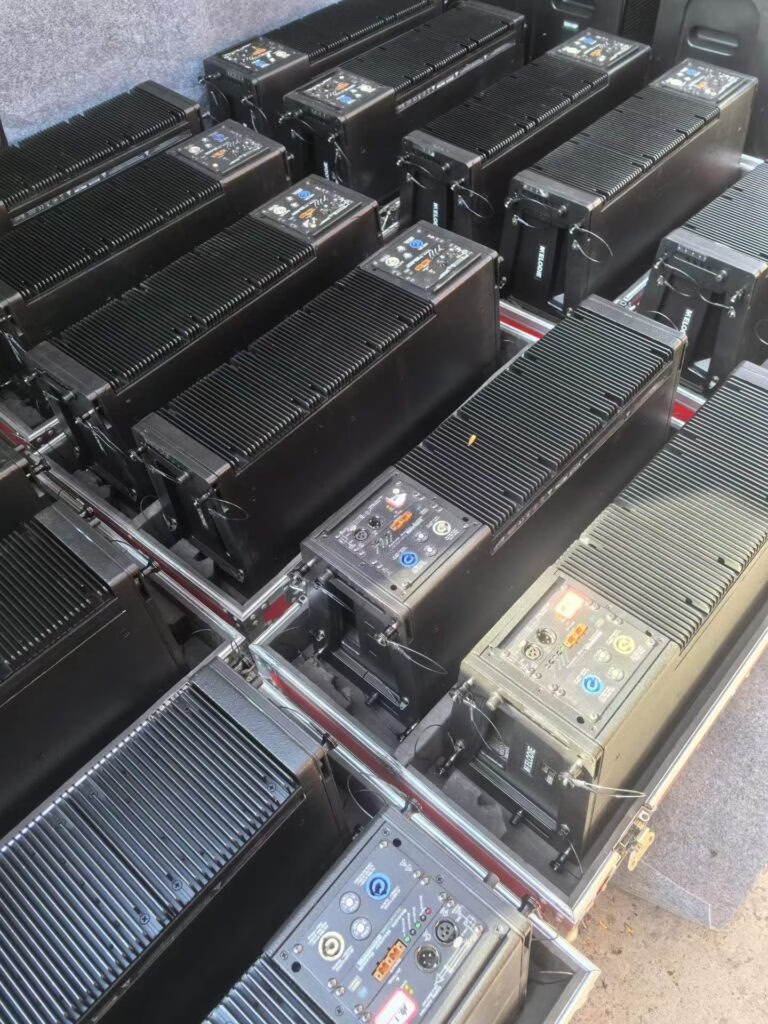
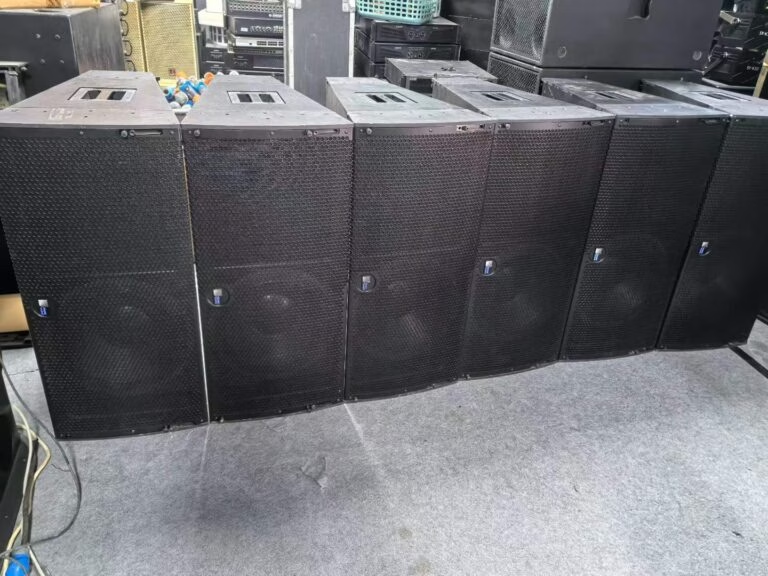
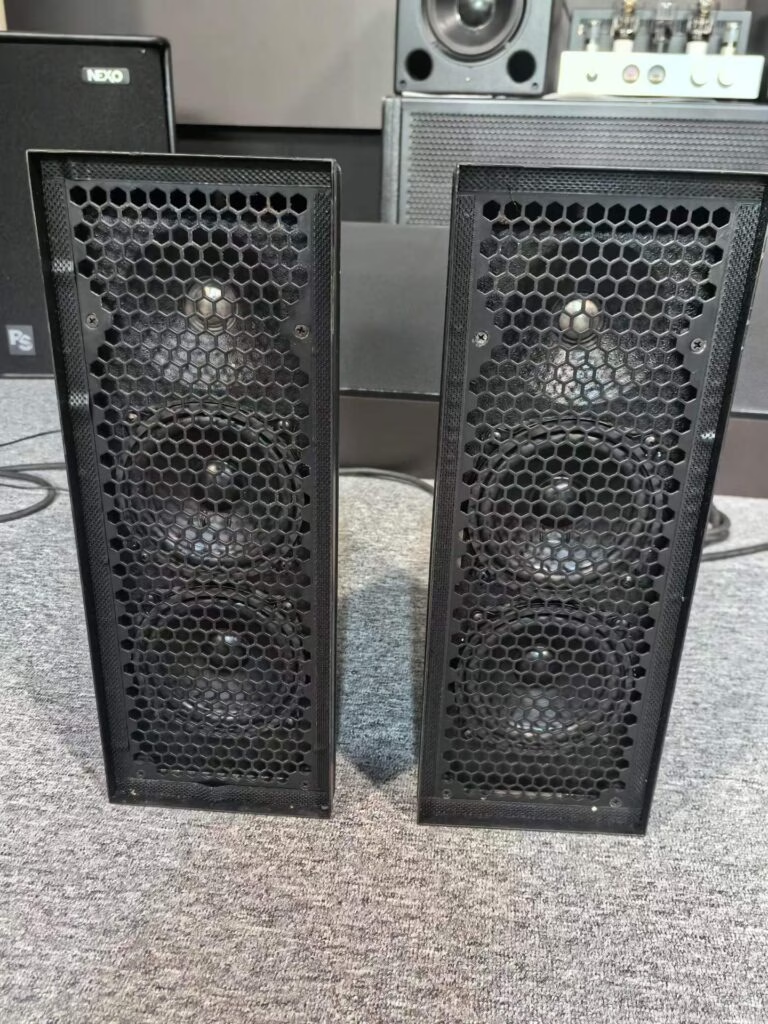
A grade describes cosmetics; it says nothing about function. “Like New” should mean one test session and no marks. “Excellent” should mean light handling marks and every function working. “Good” is where honest listings start admitting to wear, and “Fair” means buy it for parts and price it that way.
The customer problem is that grading is unregulated. One seller’s Excellent is another’s Fair, and there is no authority to appeal to. So the grade is a signal that tells you whether to keep reading — not a fact you can budget against.
What does each grade usually mean in practice?
| Grade | Cosmetic | What it implies | Price vs new |
|---|---|---|---|
| Like New | No visible marks | Under 20 hours’ use | 70-85% |
| Excellent | Light marks, clean faces | Working, some gig use | 50-70% |
| Good | Scuffs, worn labels | Working, heavy use | 35-55% |
| Fair | Dents, paint loss | Some faults likely | 20-35% |
| For parts | Variable | Assume broken | 10-20% |
Those percentages are what buyers actually pay in the second-hand market for pro audio, and the bands are wide because service history varies more than cosmetics do. A “Good” unit that was serviced in 2024 is a better buy than a ding-free “Excellent” unit with 18-year-old capacitors.
Why does the grade not cover function?
Because grading photos can only show what a camera can see. The three failures that cost the most money are all invisible:
- Dried electrolytic capacitors. 10-15 year life. No external sign at all.
- Worn faders and encoders. Invisible until you sweep them slowly with audio playing.
- Drifted drivers. A re-coned speaker looks new and sounds 3 dB shy.
That is why a serious listing has measurements next to the grade, not instead of it.
What does “fully tested” add to a grade?
Everything, or nothing, depending on the detail. “Fully tested” with no numbers means someone plugged it in and heard sound. “All 16 channels swept at 1 kHz, 4 dead pots replaced, PSU caps replaced 2025” means the unit was on a bench. Only one of those sentences is worth a premium.
Ask what was measured and at what level. A seller who tested a speaker at 90 dB SPL for one minute and a seller who ran it at gig level for two hours have both “tested” it, and only the second one tells you about power supply health.
What five questions should you ask regardless of grade?
- What is the serial number?
- When was it last serviced, and what was done?
- Has it been racked, gigged, or installed?
- Was any driver, fader or capacitor replaced?
- Can you send a photo of the rear panel label and the connectors?
Question five is the most useful one and almost nobody asks it. Rear panels show humidity corrosion, scuffed connectors from constant repatching, and the actual voltage rating — all information the front of the box hides.
Is a higher grade always worth paying for?
No. On a fixed install where the gear will never move again, cosmetic grade is nearly worthless. On flown or trucked gear, it matters, because scuffed corners and bent handles tell you how the unit has been treated — and that predicts the failure rate.
A used K-array KF12 powered speaker graded Excellent means its grille and cabinet finish are clean. It does not mean the amp module is healthy. If the listing is honest it will also say what was tested and at what level, which is worth more than the word Excellent.
What should a listing say that grading never does?
Test conditions. “Ran 2 hours at gig level, no protection trips, all channels swept at 1 kHz” tells you more than every adjective on the page. Photos of the inside, when offered, settle the capacitor question outright.
When we grade stock, the rule is that a grade can move down for hidden faults and never up for a good photo. That is dull, and it is what makes the grade worth reading. You can compare examples in our PA systems category.
Key Takeaways
- Grades describe cosmetics; they are not a functional guarantee.
- Like New: 70-85% of new. Excellent: 50-70%. Good: 35-55%.
- Always ask for a serial number and a rear-panel photo.
- Service history beats cosmetically perfect with old caps.