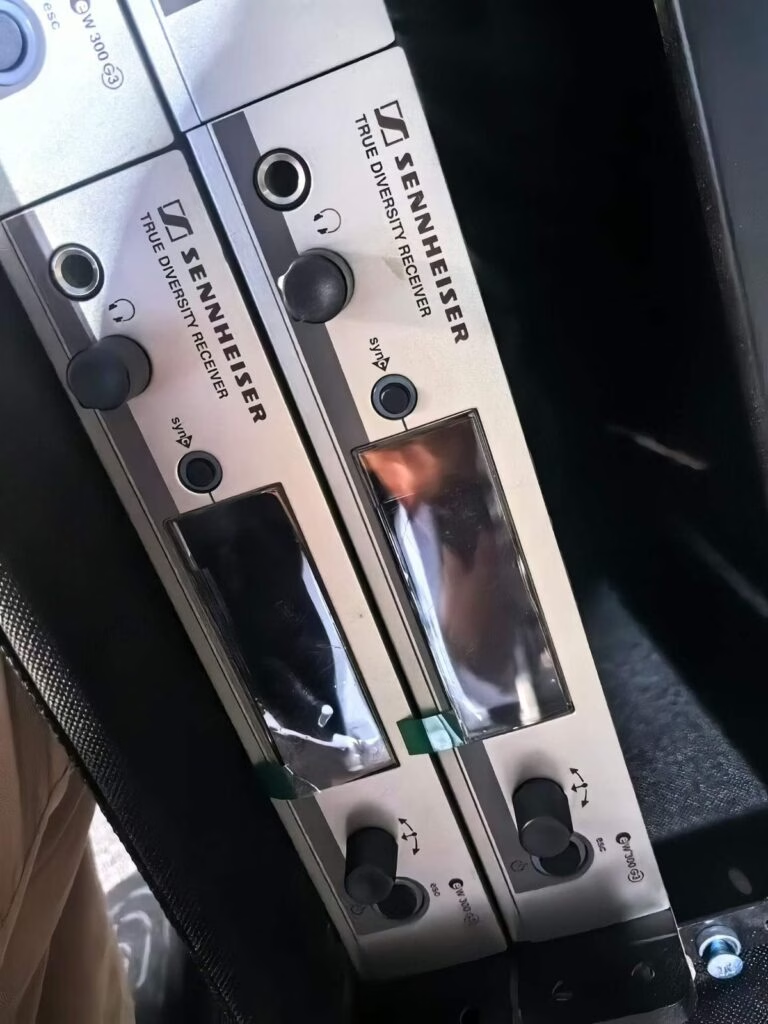
A used Behringer X32 costs $1,100-1,500 in 2026 for the full-size version, and it still delivers 32 channels, 16 motorised faders and 8 effects engines at a price no other desk matches. That is the case for it. The case against it is fader wear and the fact that many units spent five years in a rental fleet.
Why did the X32 become the standard for small venues?
Because it made scene recall cheap. Before 2012, a 32-channel desk with recall cost $6,000 or more. The X32 landed and suddenly a 300-capacity club could recall a whole show in 15 seconds. Thousands of installed units mean parts are still common and every sound tech under 40 has used one.
The downside of that popularity: the used market is full of units from rental companies that ran them 200 nights a year. A fader that survived 200,000 moves may still work, but the motors are the part that fails first.
What should you check before paying?
- Firmware: the latest is 4.x. Older firmware misses effects and has known sync bugs with the app.
- All 16 faders: recall a scene with different fader positions and watch every motor travel.
- USB card: record two minutes of 32 channels and listen for dropouts.
- Screen: check for dead pixels and a flickering backlight.
- Power supply: listen for fan noise at idle; a screech means the fan bearing is done.
The USB card is the sneaky one. It is a $150-250 part if it fails, and an Intermittent card shows up as a channel dropout on one track out of 32, which you will not notice until the mix is done.
How does it stack up against newer budget desks?
| Used X32 | New budget digital | |
|---|---|---|
| Price 2026 | $1,100-1,500 | $1,500-2,200 |
| Inputs | 32 | 16-24 |
| Faders | 16 motorised | 8-12 motorised |
| App control | Yes | Yes |
| Support in 5 years | Community, parts common | Full |
If you need 32 inputs today and have $1,300, the X32 is the only answer in that budget. If you need 16 inputs and want a warranty, the new desk is better. Do not buy 32 channels you will never use; the extra maintenance surface is not free.
Does the X32 still get firmware updates?
Yes, the 4.x line still receives occasional fixes, and that matters because the app ecosystem depends on it. If a seller shows firmware 2.x from 2016, plan an update before you use it in a show. Also check whether the unit has the X-USB or the older X-UF card: the X-USB records 32 channels, the X-UF records 16, and the difference is $100-150 on resale.
What about the X32 Compact and Producer?
The Compact has 16 faders in a smaller frame and runs $900-1,200 used. The Producer has 8 faders and runs $700-950. Everything else, including the 32 inputs, is the same. For a church or a club where space matters, the Compact is often the better buy, and the difference in price pays for a flight case.
If you want a bigger console for the same money, a Yamaha DM1000 digital mixing console gives you 48 channels with a different workflow, though no USB audio. Compare the channel count against your actual input list before choosing.
How long will it keep working?
A fixed install unit that ran 100 shows a year should give another five years with one fader replacement. A rental fleet unit with 1,500 shows on it is near the end. Ask how many shows a year it ran, and ask who maintained it. If the answer is ‘we did it ourselves with a hoover and good intentions’, expect to replace two faders in year one.
Key Takeaways
- A used X32 runs $1,100-1,500 and offers 32 inputs, 16 motorised faders.
- Check firmware, all faders by scene recall, and the USB card.
- Compact at $900-1,200 and Producer at $700-950 are better value where space is tight.
- Prefer fixed-install units over rental fleet units.
Where to buy a tested console
We run a full scene recall and 32-channel recording test on every X32 before it ships, and we photograph the screen and the firmware page. Ask for that footage through the export desk and check the fader travel yourself before you wire it into a show.