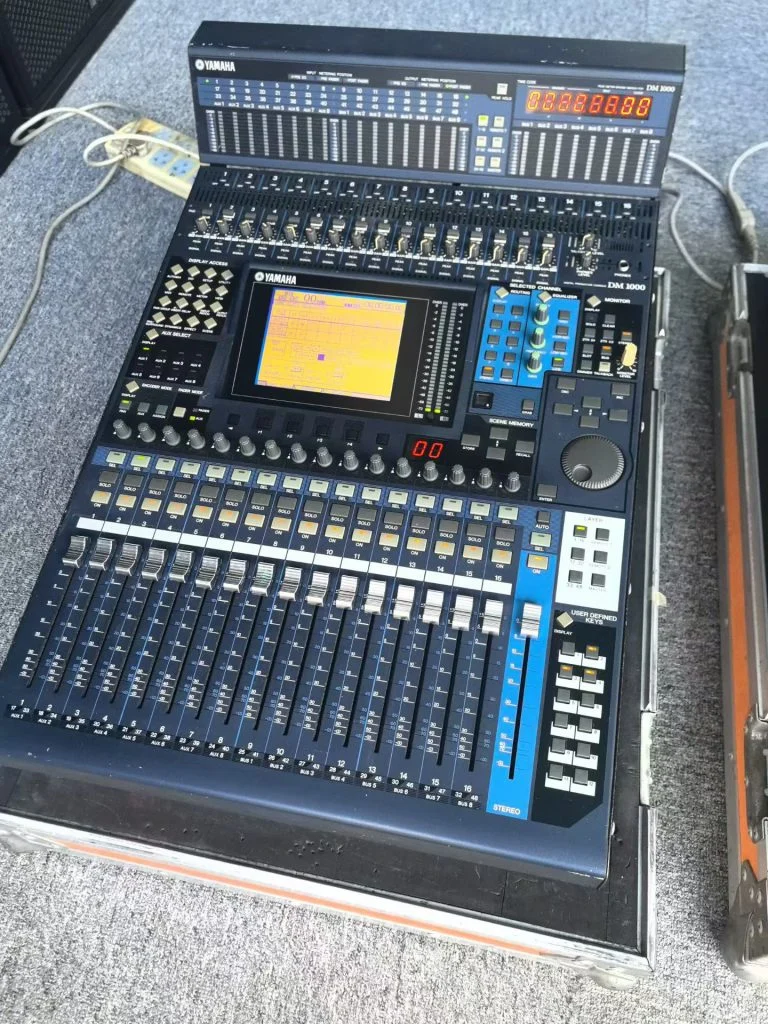
A used Yamaha DM1000 sells for $700-1,100 in 2026. For a church with a volunteer team or a 250-seat theatre with rotating operators, that is still one of the cheapest ways to get 48 channels and scene recall. The catch is parts supply and the age of the display.
What does the DM1000 actually give you?
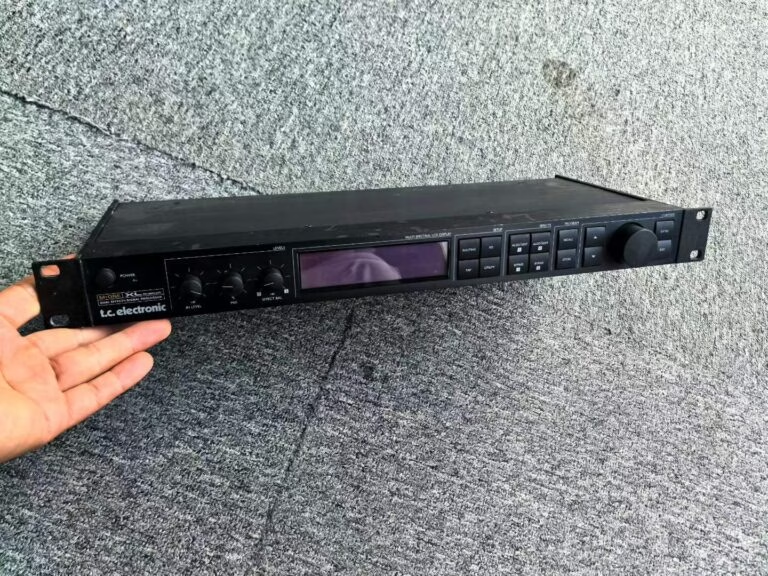
48 input channels, 16 motorised faders in three layers, 8 aux buses, and four internal effect engines. Recall is the whole point: a Sunday service can be recalled in 20 seconds instead of 40 minutes of fader pushing. That single feature is why churches bought them in 2005 and why they still work in 2026.
Our own listing of the Yamaha DM1000 digital mixing console shows the unit with its flight case, which matters for churches that store gear in a shared room.
What breaks after 20 years?
- Backlight on the LCD: the most common complaint. Dimming is not a failure, it is age; a replacement panel is $80-150 if you can find one.
- Fader motors: a sticking fader is usually $35 in parts plus an hour of work. Test by recalling a scene and watching all 16 travel.
- Card slots: the ADAT and MY-card slots get dusty. Test with any installed card before paying.
- Power supply caps: at 20 years these are due. Ask whether the PSU was serviced.
One warning on parts: Yamaha has ended some service for this generation. Buy from a seller who has a working spare or a tested unit, not one that was pulled from a rack and never powered up.
How does it compare with a modern $1,500 desk?
| Used DM1000 | Modern budget digital (new) | |
|---|---|---|
| Price 2026 | $700-1,100 | $1,300-1,800 |
| Channels | 48 in / 16 faders | 16-32 in |
| Scene recall | Yes | Yes |
| Remote app | No | Often yes |
| Parts in 5 years | Thin | Full support |
If your volunteer team is young and wants a tablet app, the modern desk will get used more. If the desk is run by someone who learned on the DM1000 and knows its pages cold, replacing it costs you months of retraining. Both arguments are real, and the second one is the one churches usually ignore until the first bad Sunday.
What about recording and streaming?
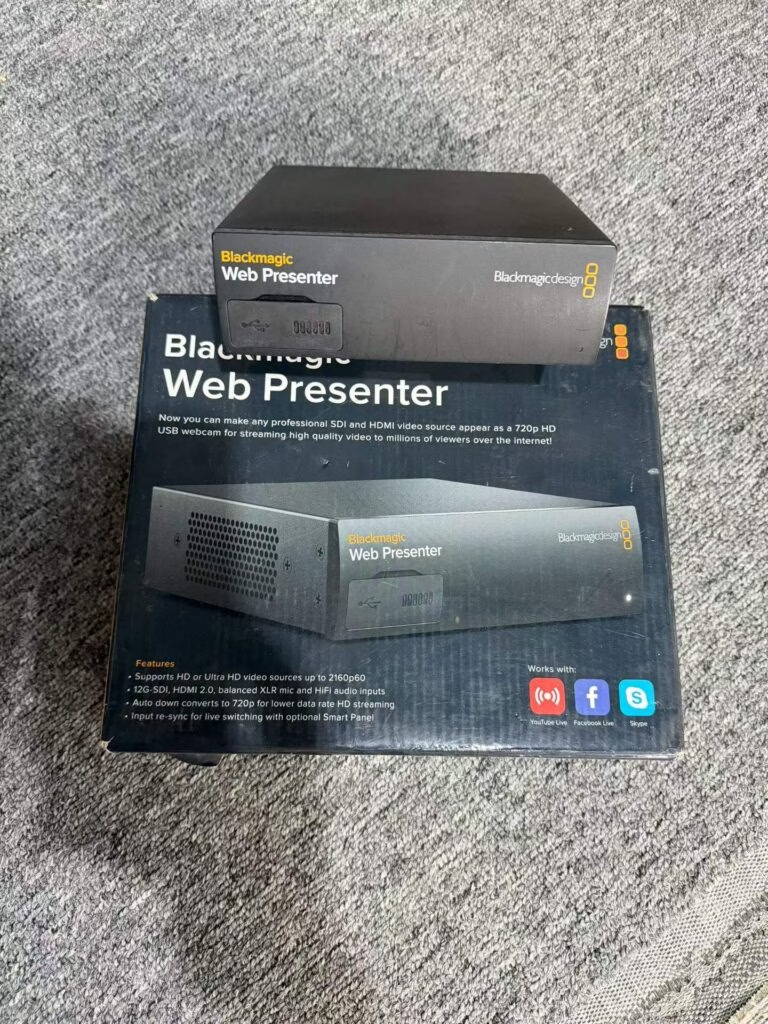
The DM1000 has no USB audio interface, so multitrack recording needs a card or an external interface on the stereo bus. If streaming is a core need, budget $200-400 for a used MY8-AD or an external 8-channel interface. That cost is why some churches skip the DM1000 and go straight to a modern desk with USB built in.
Is it the right desk for a 250-seat theatre?
Yes if you run musicals with 20-plus wireless mics and a fixed operator. The DCAs and scene recall handle a large cast. For a comedy club with four mics and no scene changes, a 16-channel analog desk at $300 does the same job with less risk. Match the tool to the load, not to the brochure.
How long does a volunteer need to learn it?
Four to six Sundays for basic operation, longer for scenes and DCAs. The layer system confuses newcomers because fader one is not always channel one. Write a laminated card that lists your three layers and tape it to the desk. Churches that skip this step end up running the console from the default layer all year and never use the recall that justified the purchase.
The other practical point is power: the DM1000 wants a clean 230V or 120V feed and it does not enjoy sharing a circuit with a dimmer rack. Hum on a church desk is usually a shared neutral, not the desk.
Key Takeaways
- A used DM1000 runs $700-1,100 with 48 channels and scene recall.
- Best fit: churches and small theatres with a fixed operator and large cast.
- Test all 16 faders by recalling a scene, and check the LCD backlight.
- No USB audio; budget $200-400 for a card if streaming matters.
What should you ask the seller?
Ask for the total power-on hours if it was logged, a photo of the LCD powered up, and whether the flight case comes with it. A one-hour video of the recall test is the single most useful thing you can request. Our team runs that test on every console we list, and you can request the footage through the contact desk before you commit.