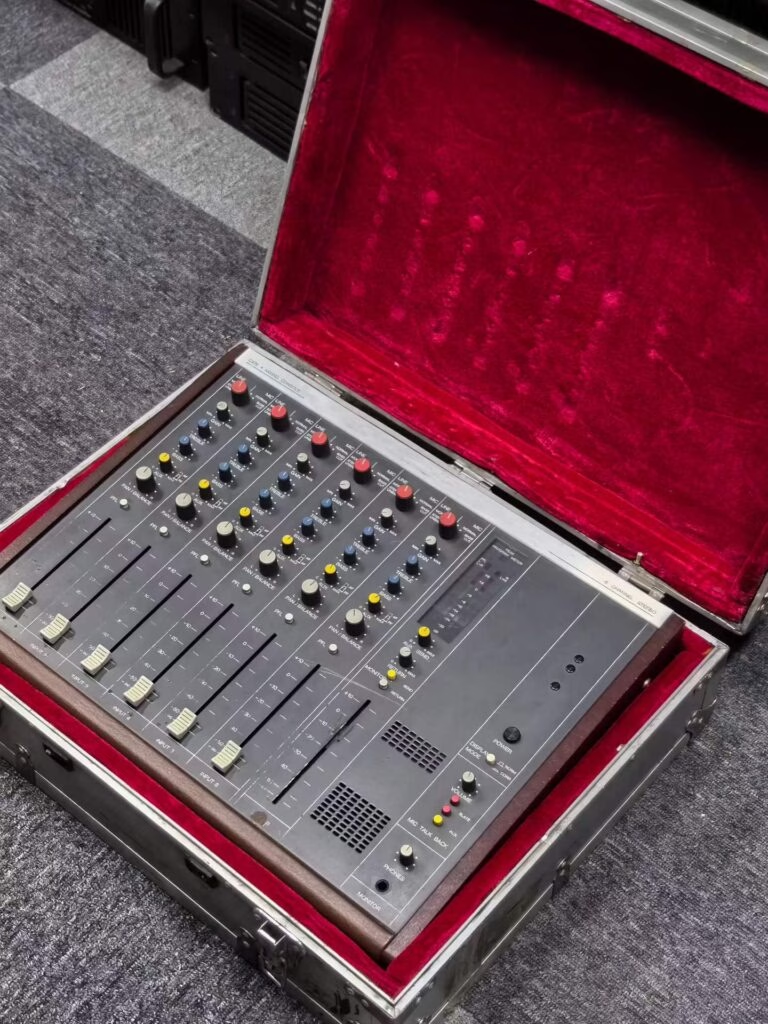
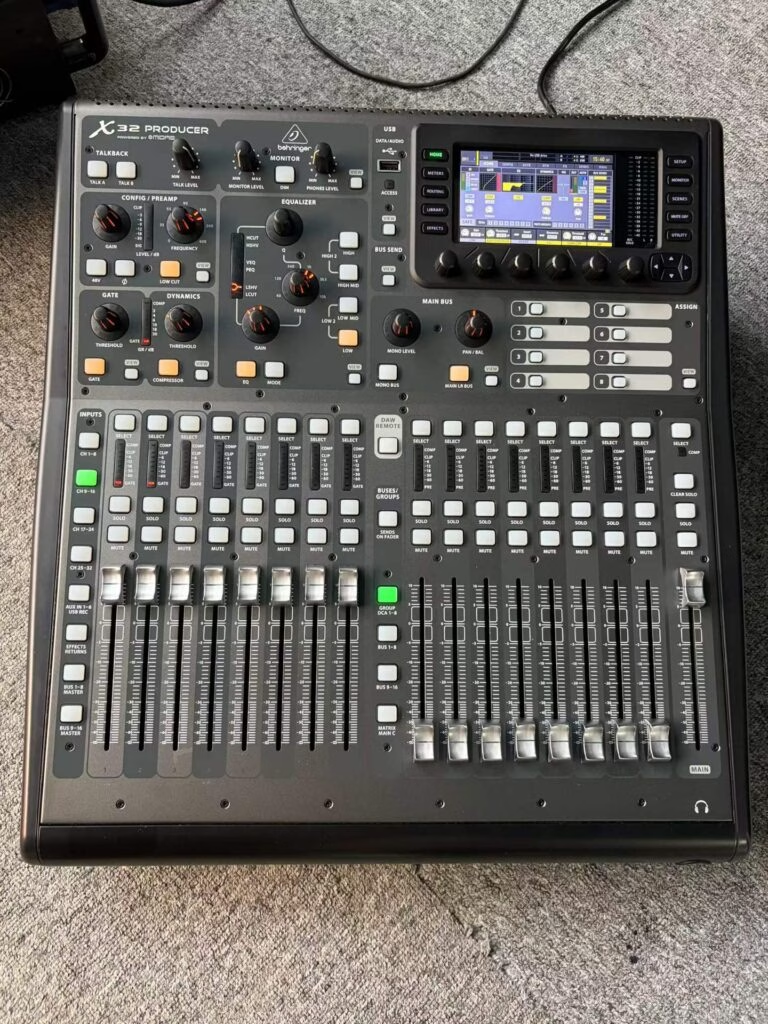
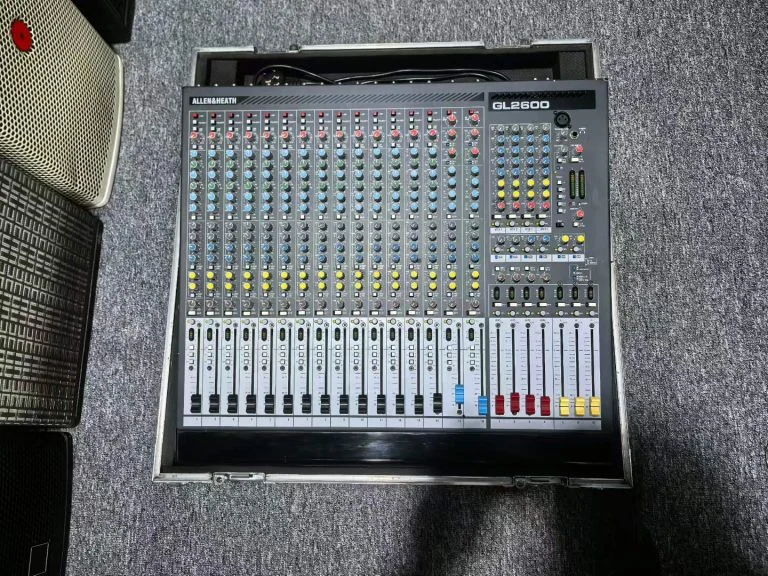
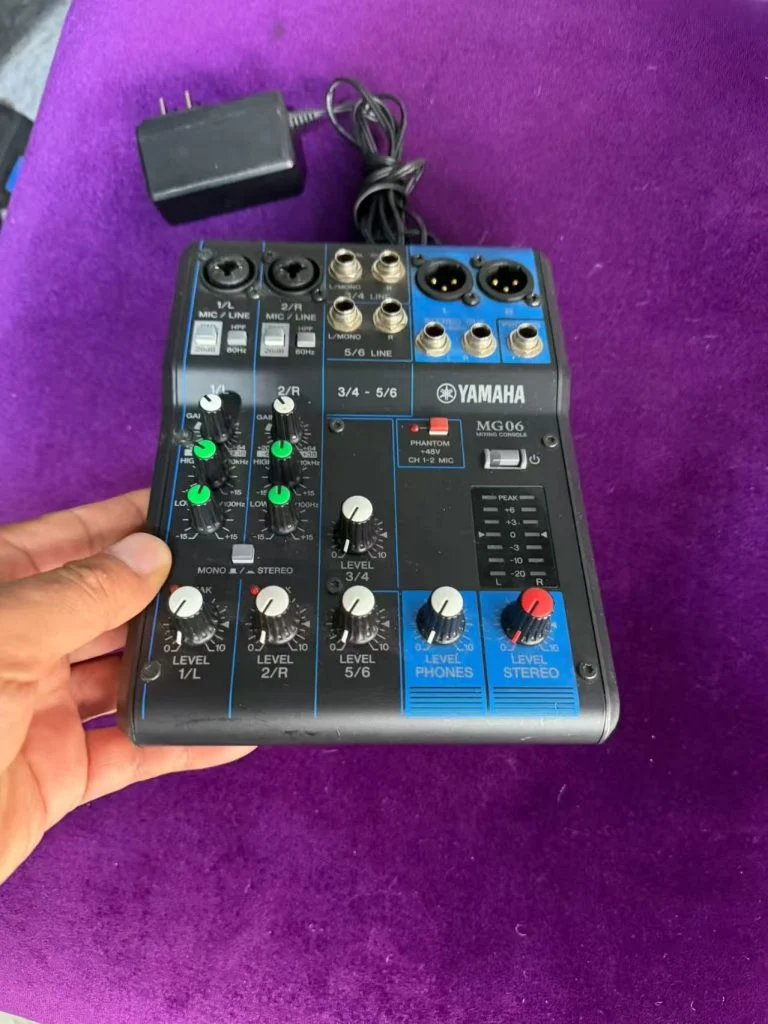
Short answer: rarely. Theatre is built around cue recall — dozens to hundreds of small level and mute changes, fired in sequence with the script. An analog desk can hold eight or sixteen scenes on a midi snapshot at best, and most modern theatre scripts assume a console that can do 300.
How many cues does a theatre show actually need?
A small community production uses 40–80 cues. A musical with a live band runs 200–400, because every scene change, solo entrance, and vocal lift is a cue. A 2010-era analog desk with 16 snapshot memories will not cover that, which is why every theatre that modernised in the last 15 years went digital.
Where does analog still work in a theatre?
- A one-night concert series where the same band mixes the same show.
- A very small black-box theatre with 12 inputs and a static setup.
- A rehearsal room that needs a desk that never boots up.
- Anywhere the budget is under $500 all-in and a digital desk is out of reach.
What does the price difference look like?
| Desk | Used price | Theatre fit |
|---|---|---|
| Allen & Heath GL2400-24 | $600–800 | Concerts, not scripted theatre |
| Soundcraft GB4-32 | $700–950 | Concerts, no recall |
| Yamaha LS9-32 (digital) | $1,400–2,000 | 200+ cues, theatre standard |
| Yamaha DM1000 (digital) | $1,100–1,600 | 48 ch, scene memory, 8 matrix |
The gap between a $750 analog desk and a $1,300 digital one is smaller than one week of rehearsal labour lost to re-ringing a board.
What else does theatre need that analog lacks?
Matrix outputs. A theatre feeds front fills, delays, lobby, and a backstage monitor — that is four mixes before you have touched the band. Most 24-channel analog desks give you four groups and maybe two matrices. A used Yamaha DM1000 gives you 16 mix buses and 8 matrix outputs, which is exactly the shape of a theatre patch.
What are the risks of buying digital for a theatre?
Volunteer panic. Theatre operators are often volunteers or students, and a digital surface with layers can confuse them mid-show. The mitigation is a rehearsed show file and locked scenes, plus one page of paper instructions taped inside the booth. It is a training problem, not a gear problem.
When is analog genuinely the right call?
When the show is the same every night and never changes, and when the operator is the only one who will ever touch the desk. In that narrow case, a $700 analog desk is a fine, repairable choice. Everyone else should be looking at digital, and the used mixer category is where to compare.
Key Takeaways
- Theatre depends on cue recall; analog desks cap out around 16 snapshots.
- A musical with a live band runs 200–400 cues — only digital handles that.
- Matrix outputs matter as much as channels for front fills and delays.
- The $550 gap between analog and used digital is smaller than one lost rehearsal.