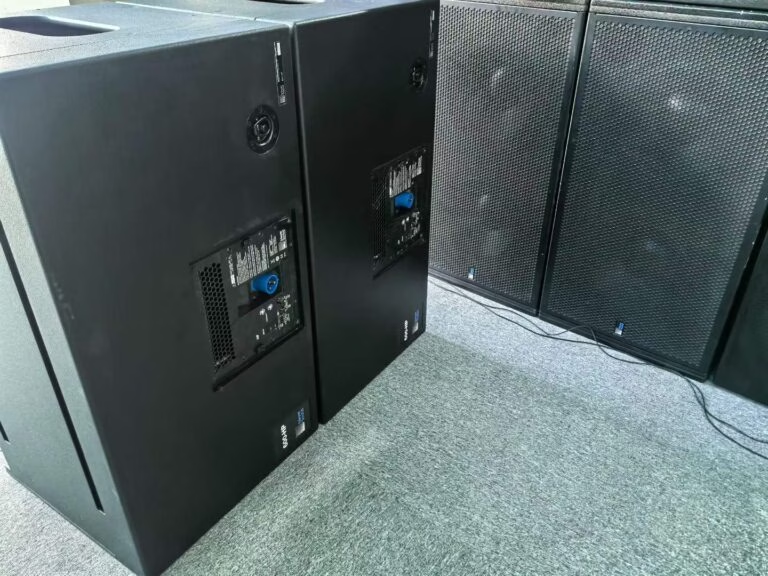
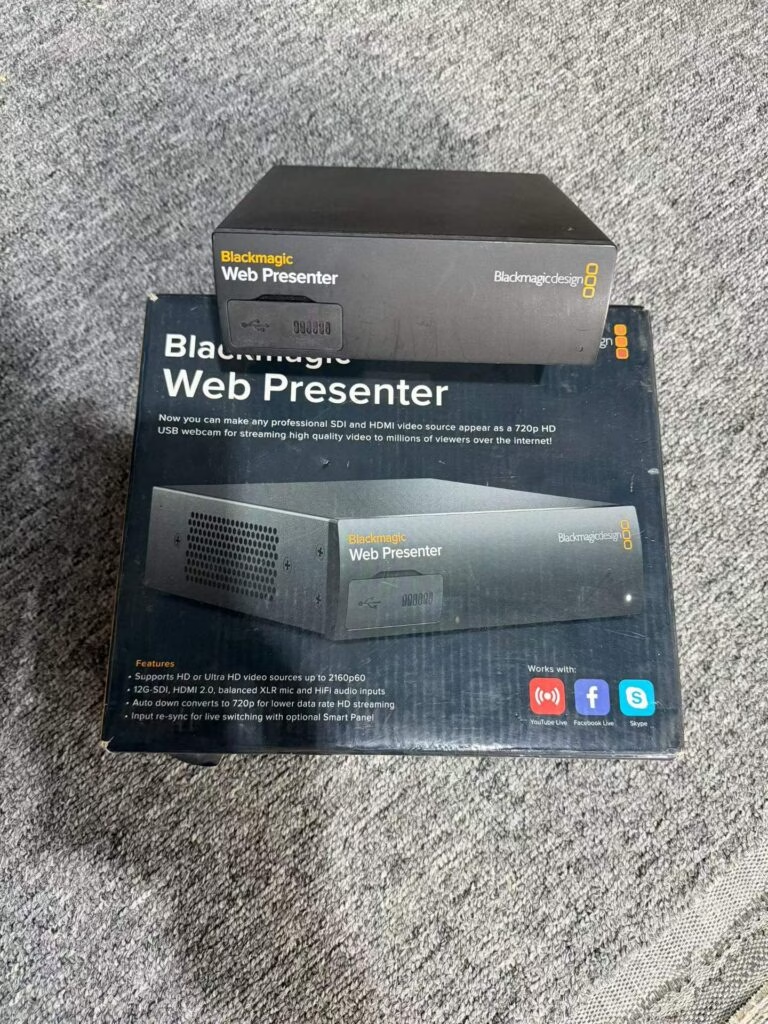
Yamaha, Shure, Allen & Heath and JBL top the list. Not because they never break, but because they break late and you can still buy the part. Yamaha keeps spares for roughly 10-15 years after a model ends, and a Shure SM58 has not changed in any way that matters since 1966.
What makes a brand reliable second-hand?
Three things: spare parts availability, service documentation, and how many units are in circulation. A brand with 20,000 consoles in the field means every repair shop has seen one. A brand with 400 units means the technician learns on your console, at your cost.
Build quality matters less than you would guess. A well-built mixer with a custom power supply that died in 2015 is scrap. A mid-range mixer with a standard IEC inlet and off-the-shelf op-amps can be fixed by any competent tech.
How do the major brands compare?
| Brand | Spares window | Common failure | Verdict |
|---|---|---|---|
| Yamaha | 10-15 years | Motorized faders, PSU caps | Safest console buy |
| Shure | Decades (SM series) | Grille dents, capsule dust | Safest mic buy |
| Allen & Heath | 8-12 years | Fader wear, screen backlight | Strong mid-tier |
| JBL | 8-10 years | Horn diaphragm, foam rot | Good if cones are original |
| Behringer | 3-5 years | PSU, USB board | Cheap but disposable |
| Pioneer DJ | 5-7 years | Jog wheel, fader, USB port | Good resale, weak on old spares |
Is a used Yamaha console still the safe choice?
Mostly, yes. The Yamaha DM1000 digital mixing console launched in 2004 and units still sell for $1,200-1,800 because the fader motors, AD/DA converters and PSU are all serviceable. The weak point is the LCD backlight, which fades after about 8-10 years of daily use, and a replacement panel runs $80-150 if you can find one.
Buy one only if the seller can show the faders moving on all 16 channels. A stuck fader is a $200-400 repair including labour, which eats the discount you negotiated.
Why are budget brands risky but not always wrong?
A used Behringer X32 at $900 is genuinely good value for a club that needs 32 channels on a tight budget. The catch is that the PSU and USB board are the two things that fail, and both are board-level swaps, not component repairs. If the unit is 8 years old and has run 5 nights a week, it is near the end of its service life.
The right question is not ‘is this brand reliable’ but ‘how many hours has this specific unit done’. A 2019 X32 that lived in a church is a better buy than a 2021 console that toured 200 dates.
What should you check on any brand before paying?
- Ask for the serial number and check the manufacture date, not the listing date.
- Confirm every channel passes signal and every fader moves under motor control.
- Ask whether the unit has ever been repaired, and by whom.
- Check that the power supply is the voltage for your country (110V vs 220-240V).
- Price the spare you are most likely to need before you commit.
Key Takeaways
- Yamaha, Shure, Allen & Heath and JBL hold up best on the used market.
- Spares availability decides long-term value more than build quality.
- Yamaha keeps console parts for about 10-15 years after end of production.
- Budget brands are fine at the right price and hours, not at collector prices.
- Always check the manufacture date, not the listing date.
Reliability is a property of the individual unit as much as the badge. Compare used mixing consoles by hours and service history and you will pick better than any brand ranking can.